
Quick Couplers and Tiltrotators in Southern Alberta
Foothills Equipment carries 45 couplers and tiltrotators for excavators, mini excavators, backhoes, wheel loaders and motor graders, from AMI, Steelwrist, Weldco-Beales, FMS and TMG Industrial. We are in Calgary and Lethbridge, serving Southern Alberta, everything south of Red Deer. A coupler lets one machine swap tools in seconds instead of knocking out pins, and a tiltrotator lets it angle and spin the tool on the end of the stick without moving the tracks.
45 couplers and tiltrotators across five lines.
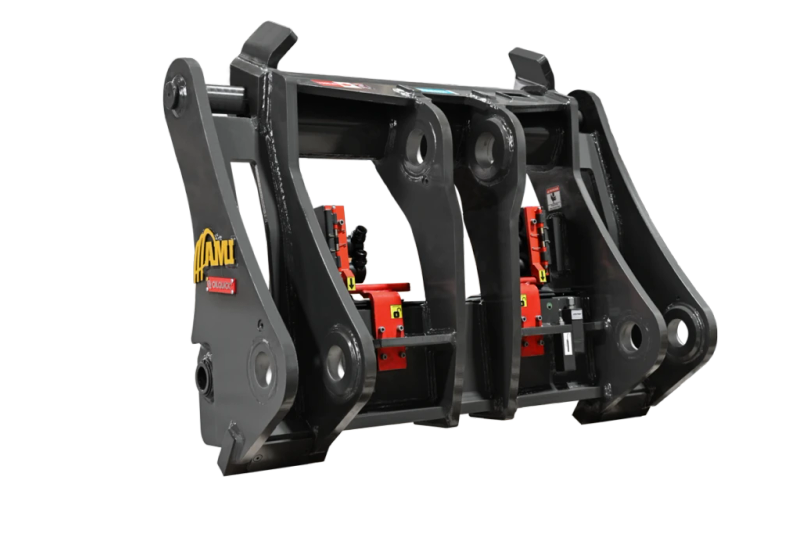
AMI OilQuick® Wheel Loader Coupler
Talk to an Advisor →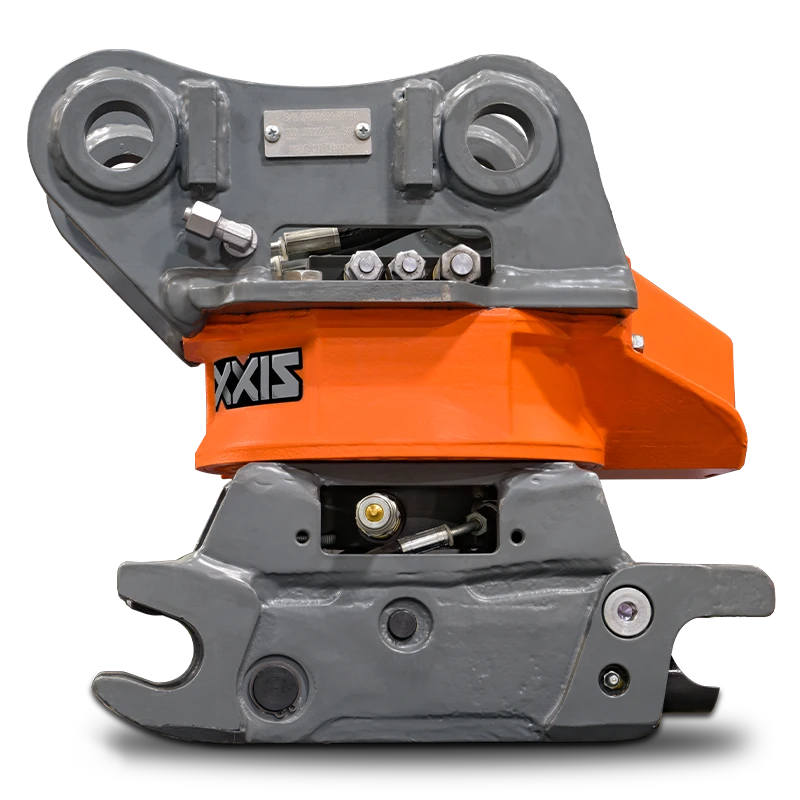
AXXIS® RC Coupler
Talk to an Advisor →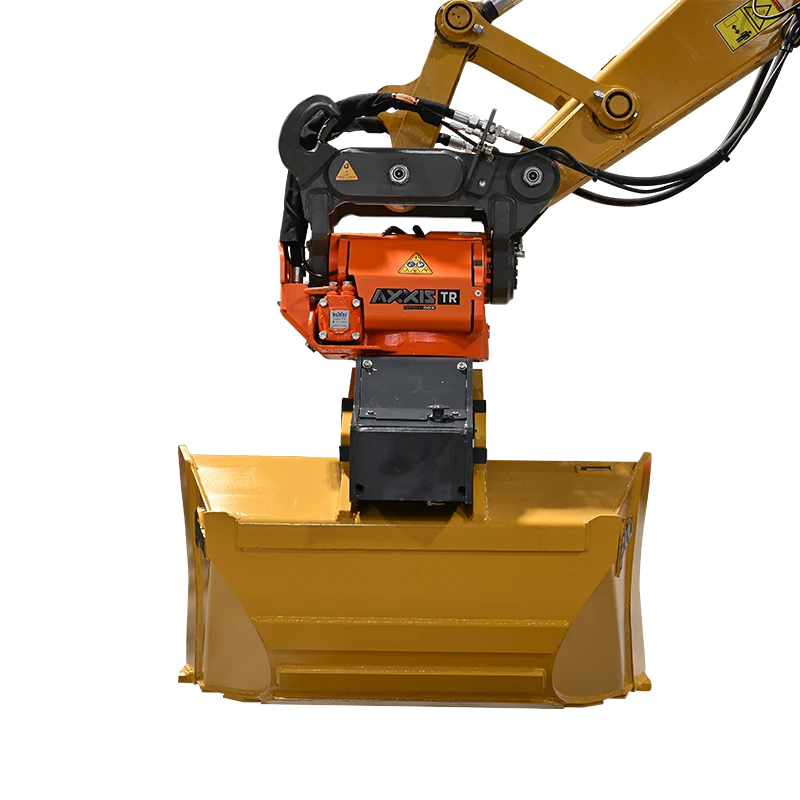
AXXIS® Tiltrotator Pin Grab Coupler
Talk to an Advisor →AXXIS® Tiltrotator S-Lock Coupler
Talk to an Advisor →AXXIS® Tiltrotator Wedge Coupler
Talk to an Advisor →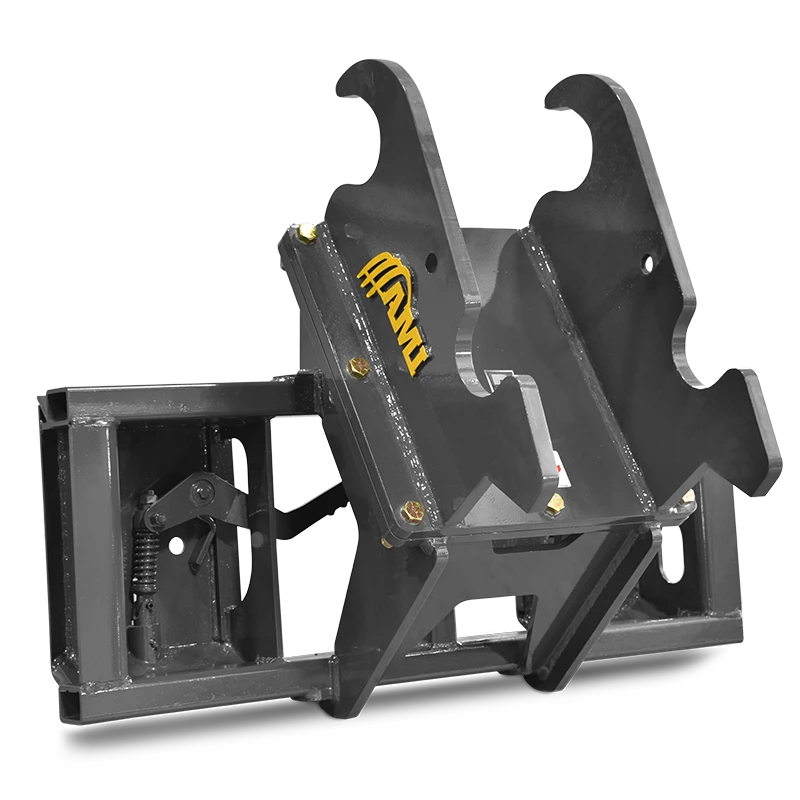
Backhoe to Skidsteer Adapter
Talk to an Advisor →Excavator to Skidsteer Adapter
Talk to an Advisor →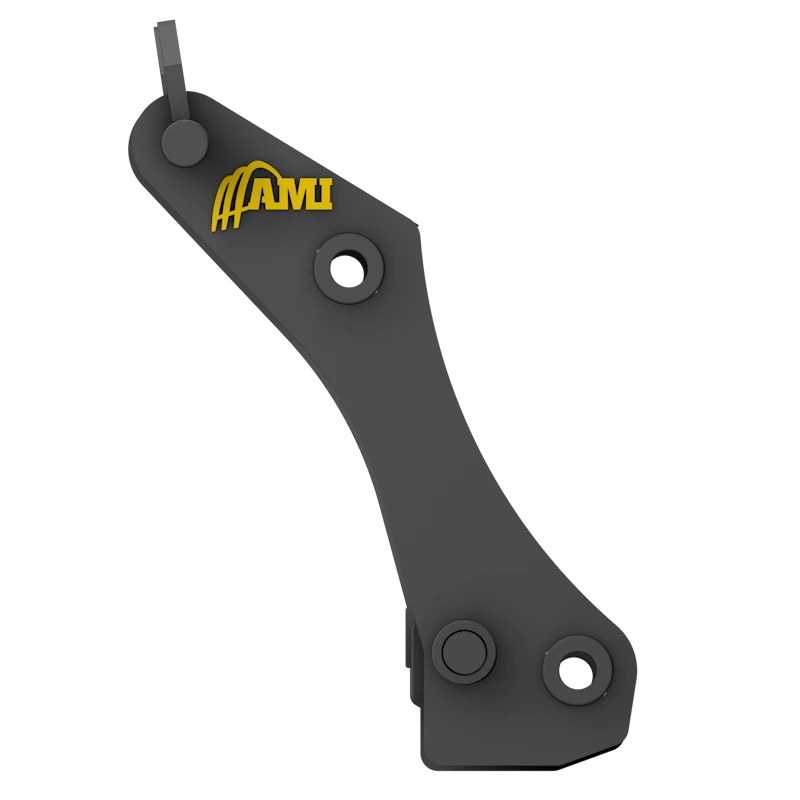
Hydraulic Coupler
Talk to an Advisor →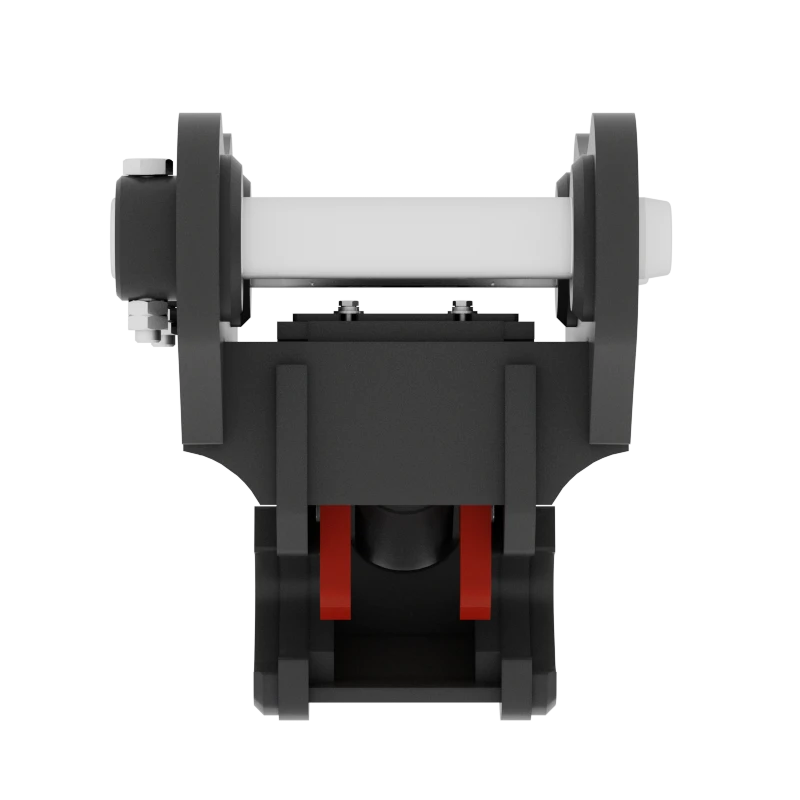
Hydraulic Multi-Pin Grab Coupler – Category 75
Talk to an Advisor →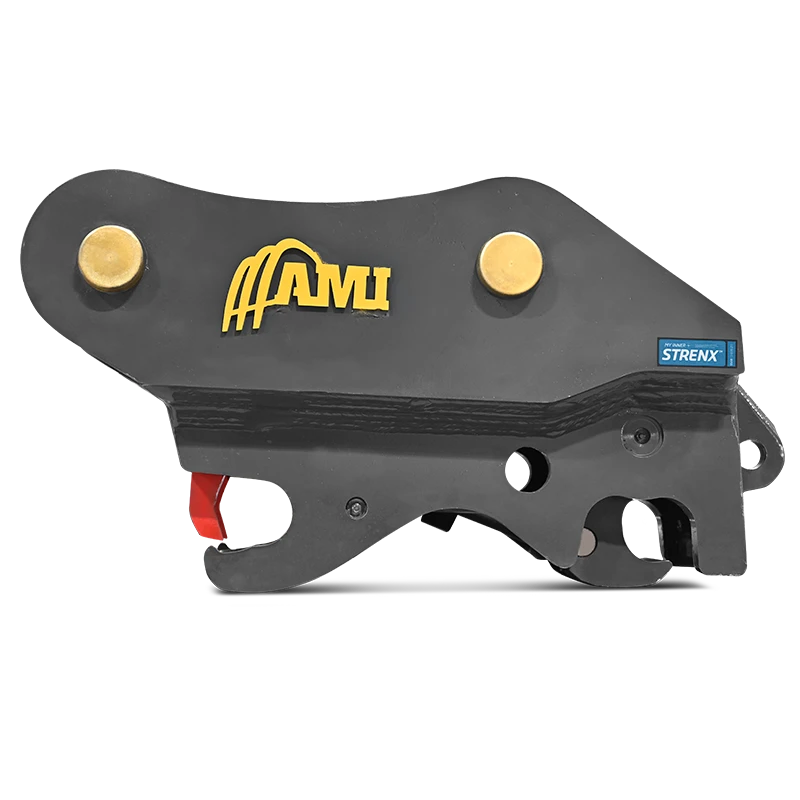
Hydraulic Pin Grab Coupler
Talk to an Advisor →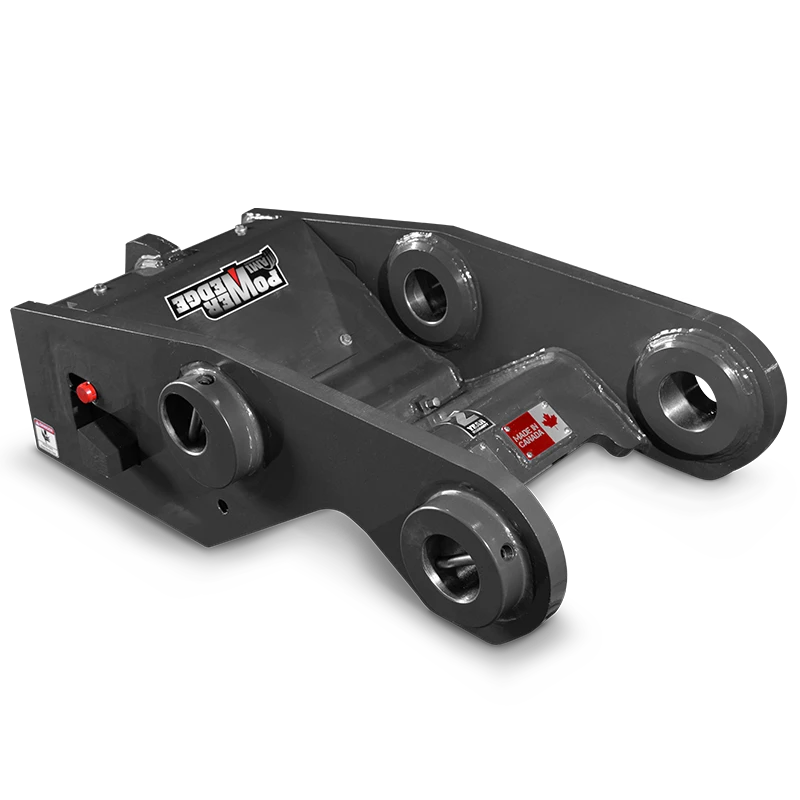
Hydraulic Wedge Coupler
Talk to an Advisor →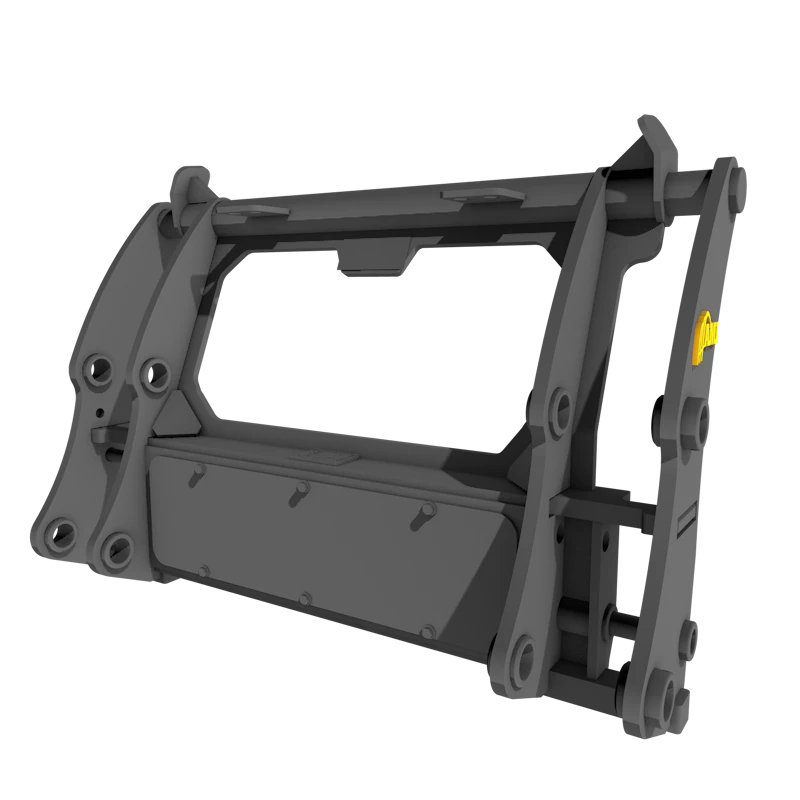
Mechanical Coupler
Talk to an Advisor →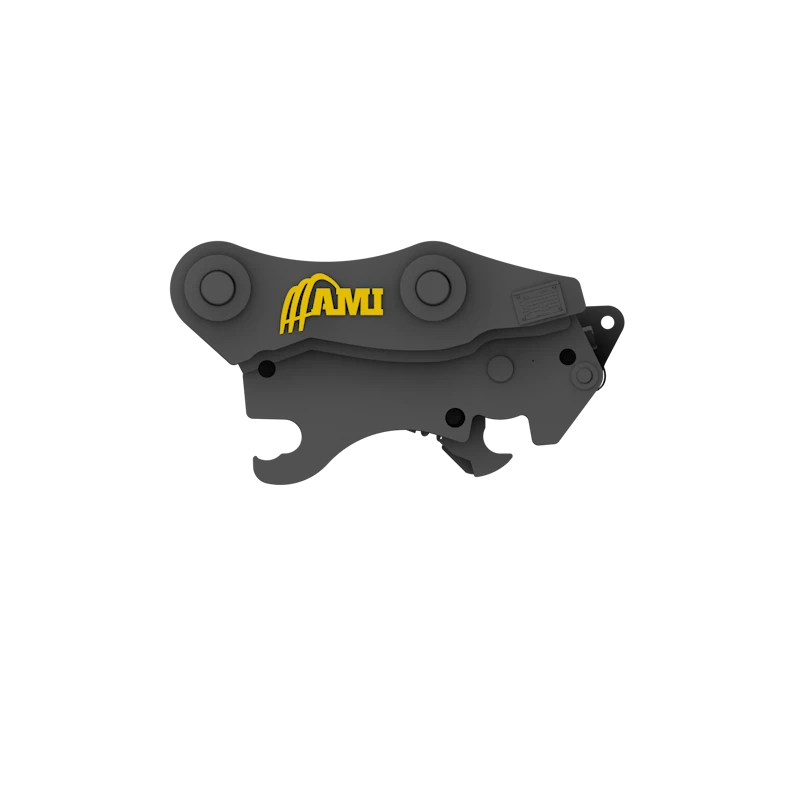
Mechanical Pin Grab Coupler
Talk to an Advisor →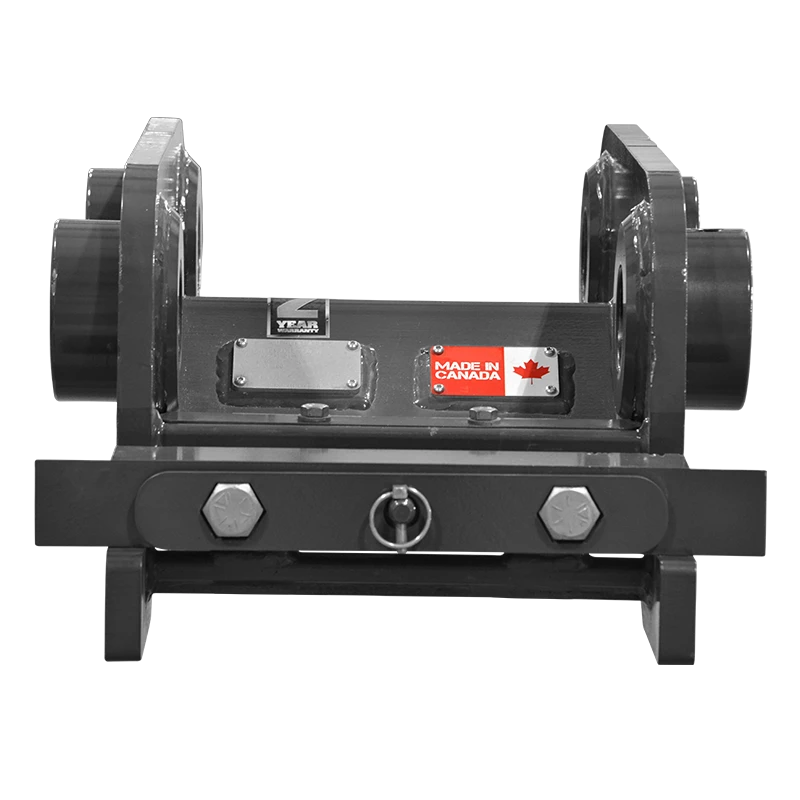
Mechanical Wedge Coupler
Talk to an Advisor →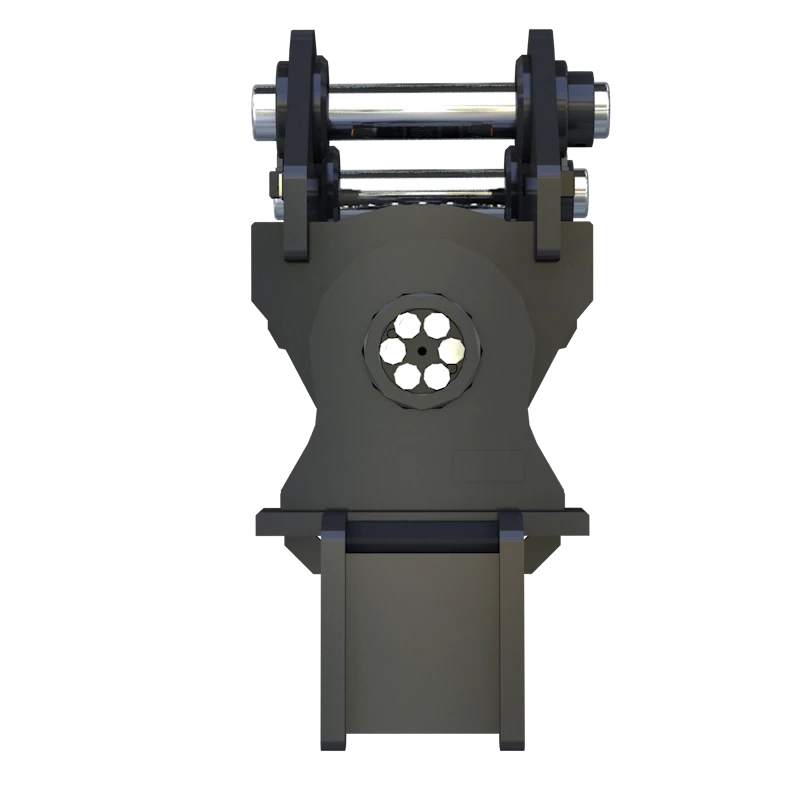
PowerTilt Hydraulic Pin Grab Coupler
Talk to an Advisor →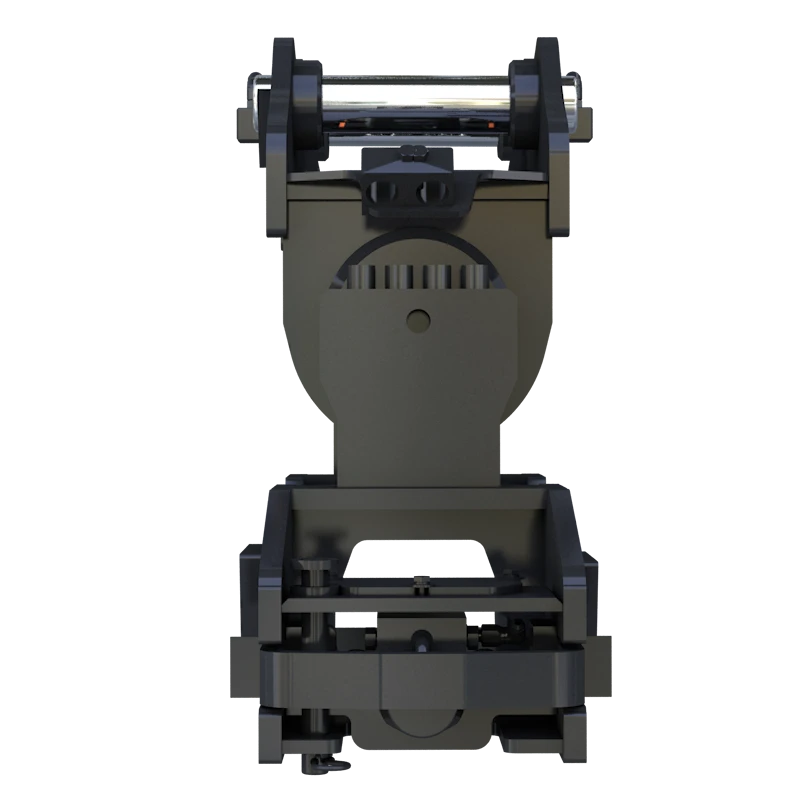
PowerTilt Hydraulic Wedge Coupler
Talk to an Advisor →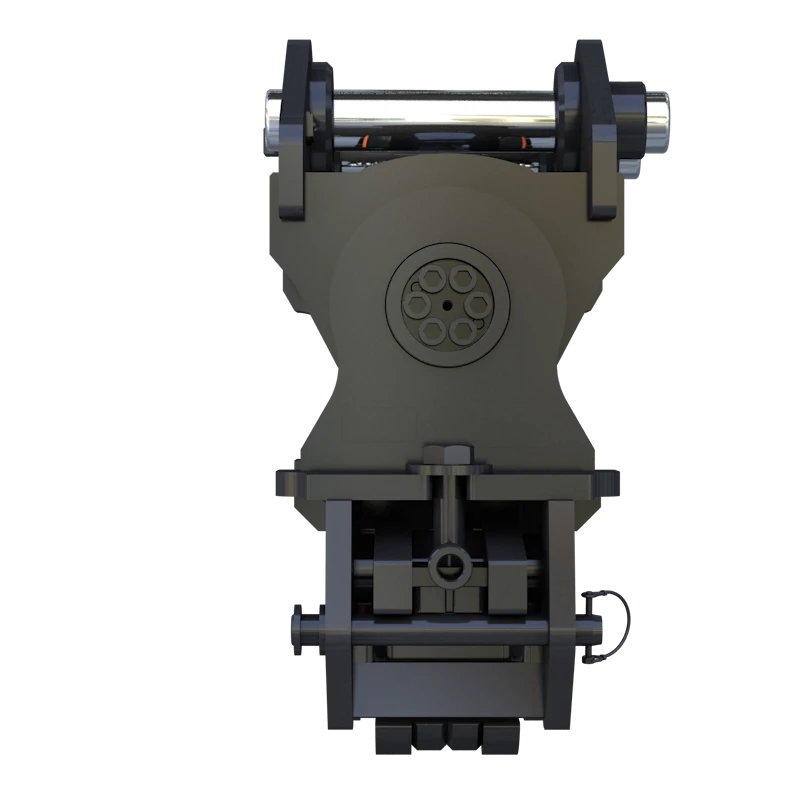
PowerTilt Mechanical Pin Grab Coupler
Talk to an Advisor →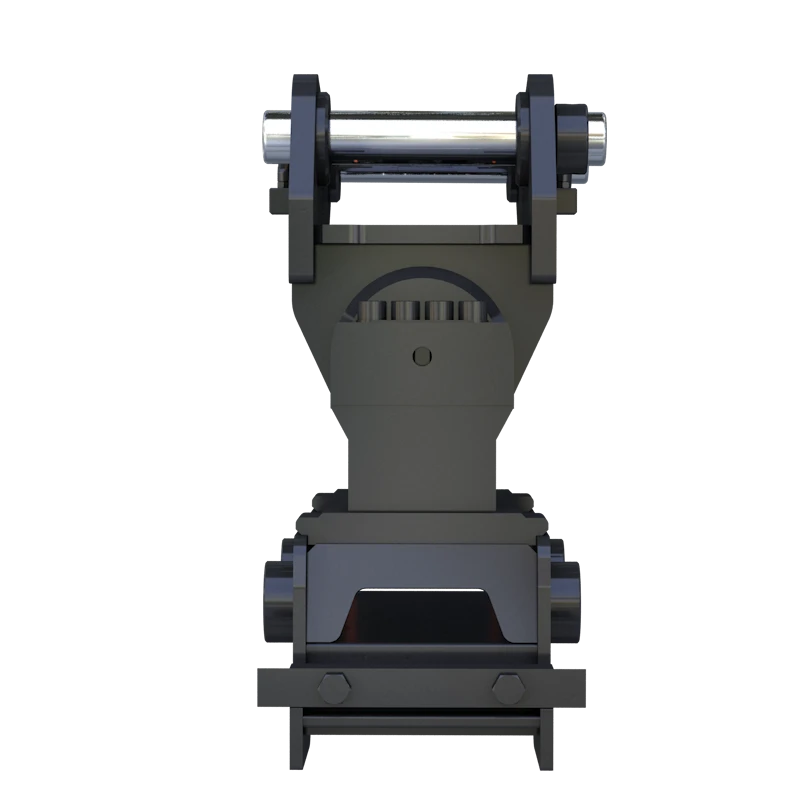
PowerTilt Mechanical Wedge Coupler
Talk to an Advisor →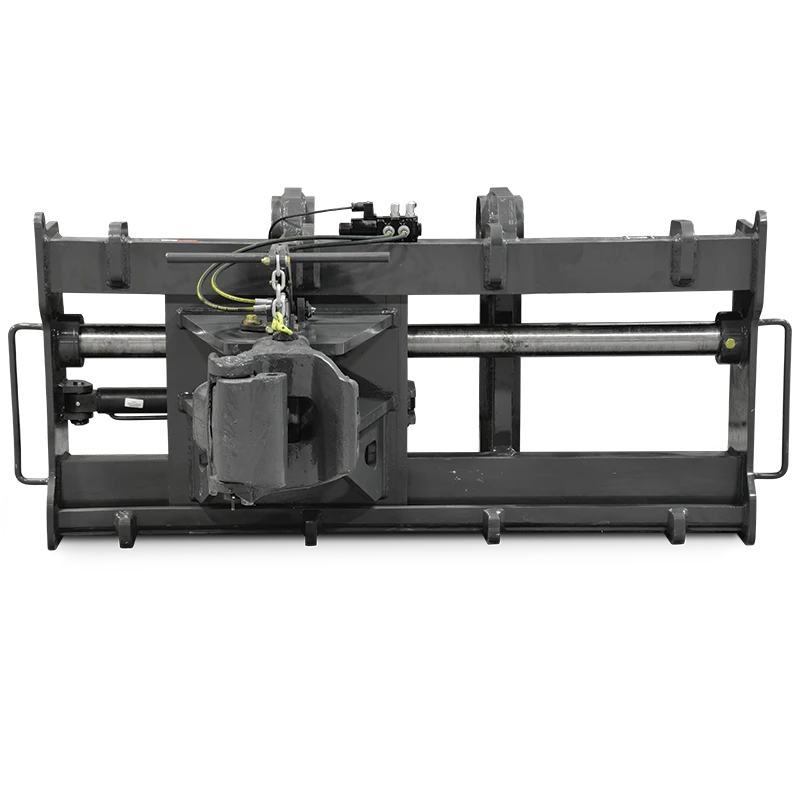
Rail Car Coupler
Talk to an Advisor →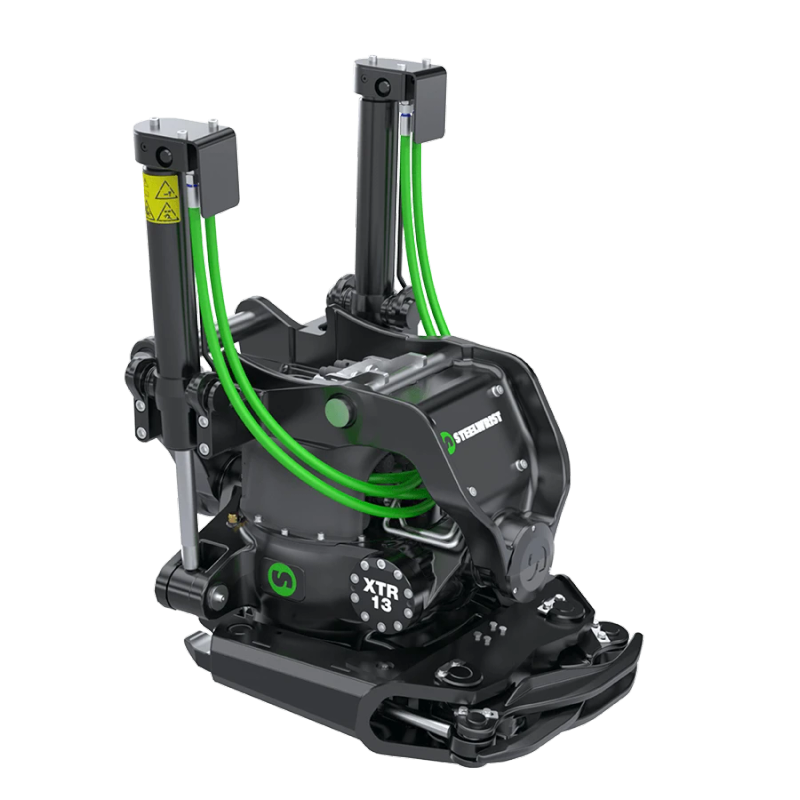
XTR-Series Tiltrotators
Talk to an Advisor →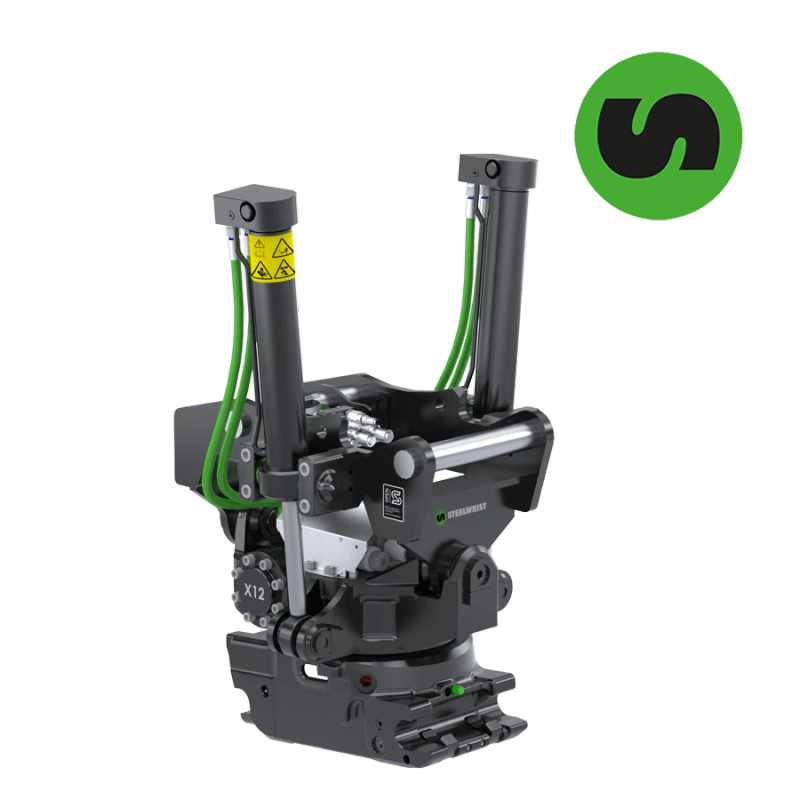
X-Series Tiltrotators
Talk to an Advisor →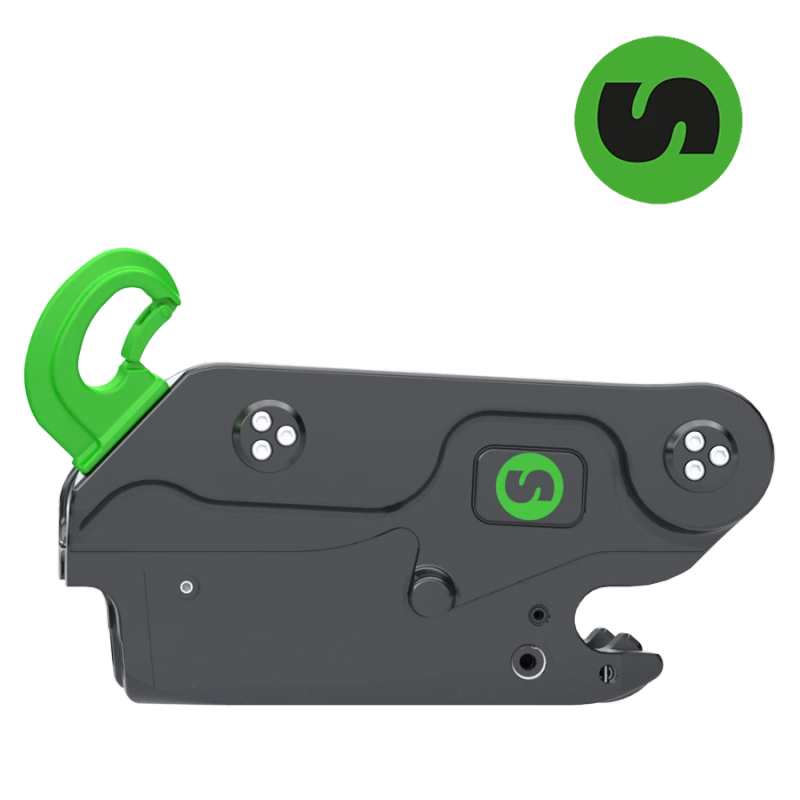
S Quick Couplers
Talk to an Advisor →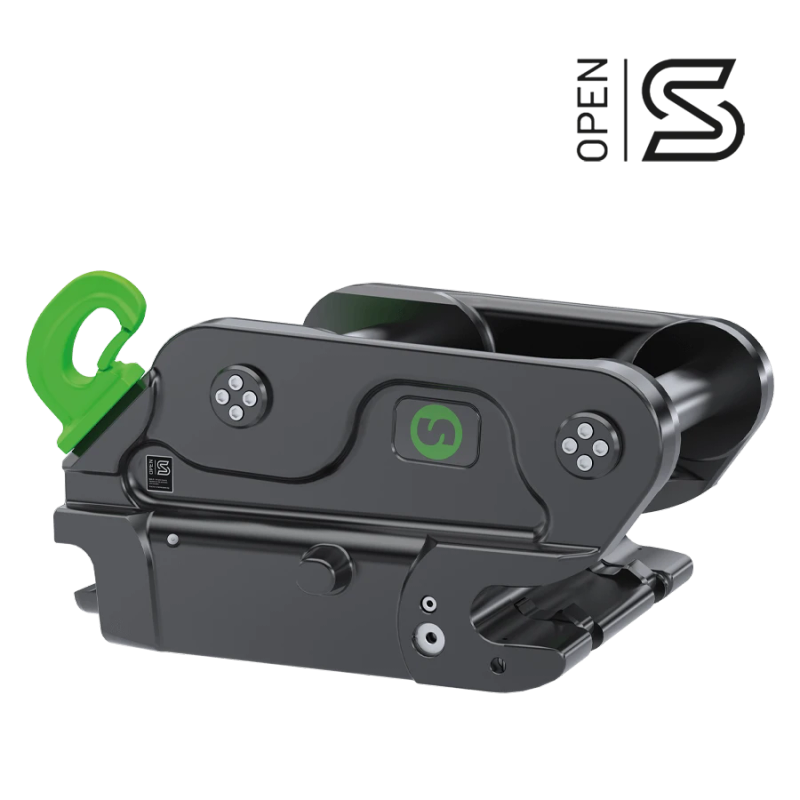
SQ Automatic Couplers
Talk to an Advisor →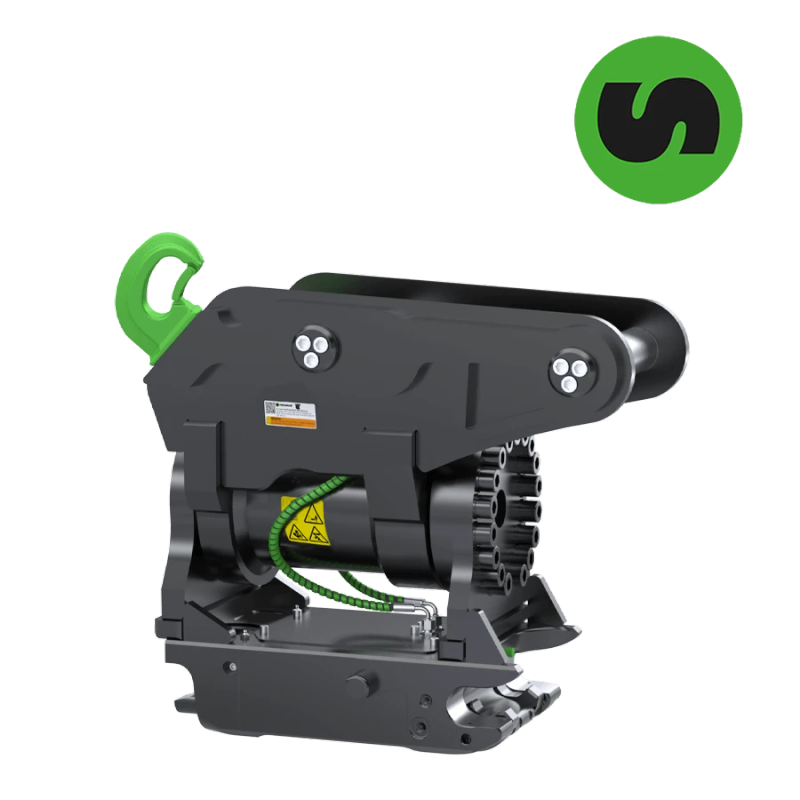
XT Tilt Couplers
Talk to an Advisor →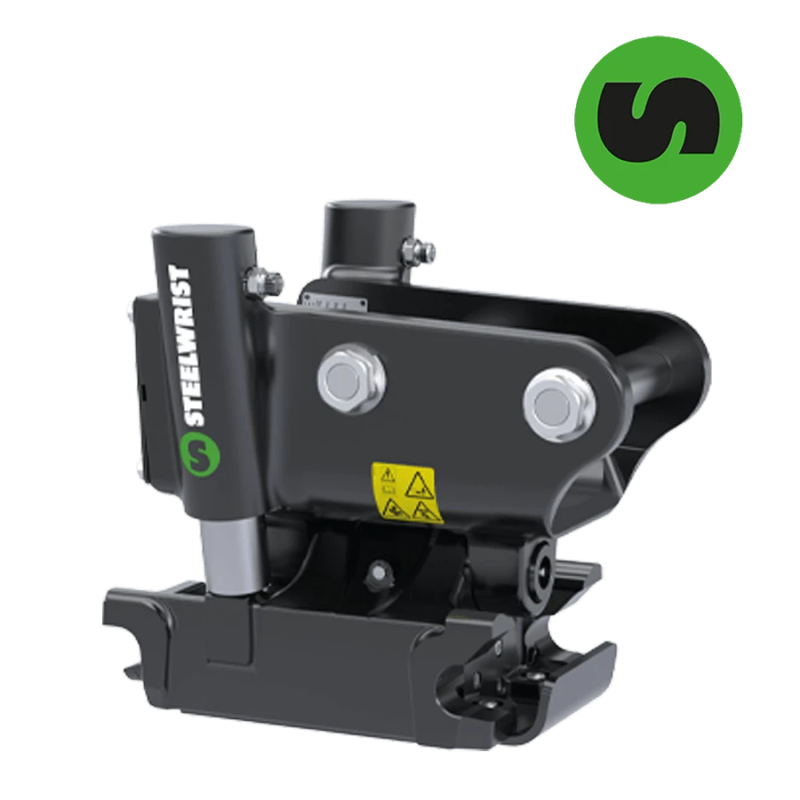
TCX Tilt Coupler
Talk to an Advisor →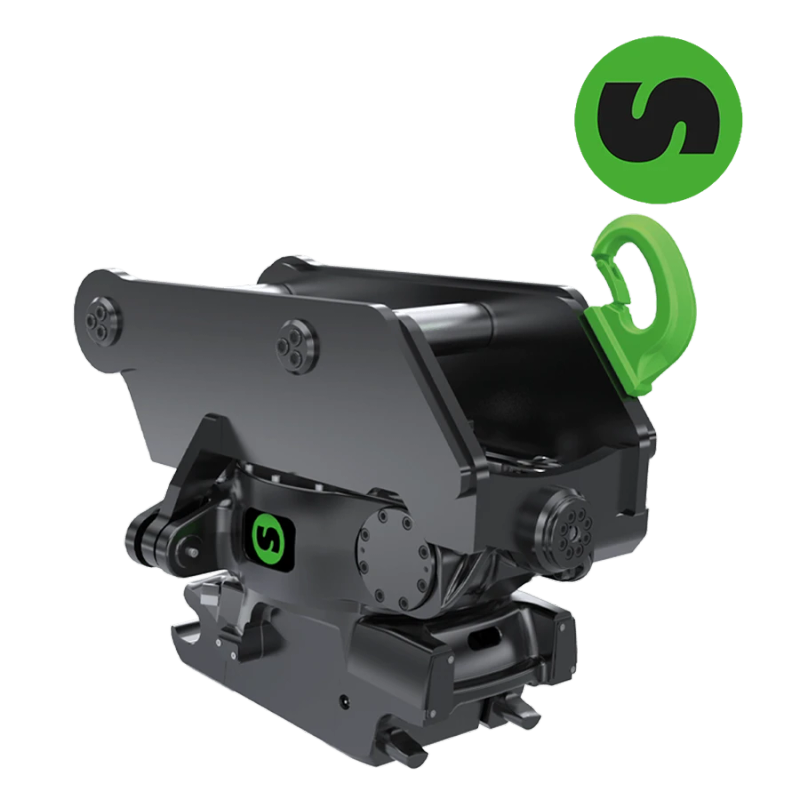
XR Rotor Couplers
Talk to an Advisor →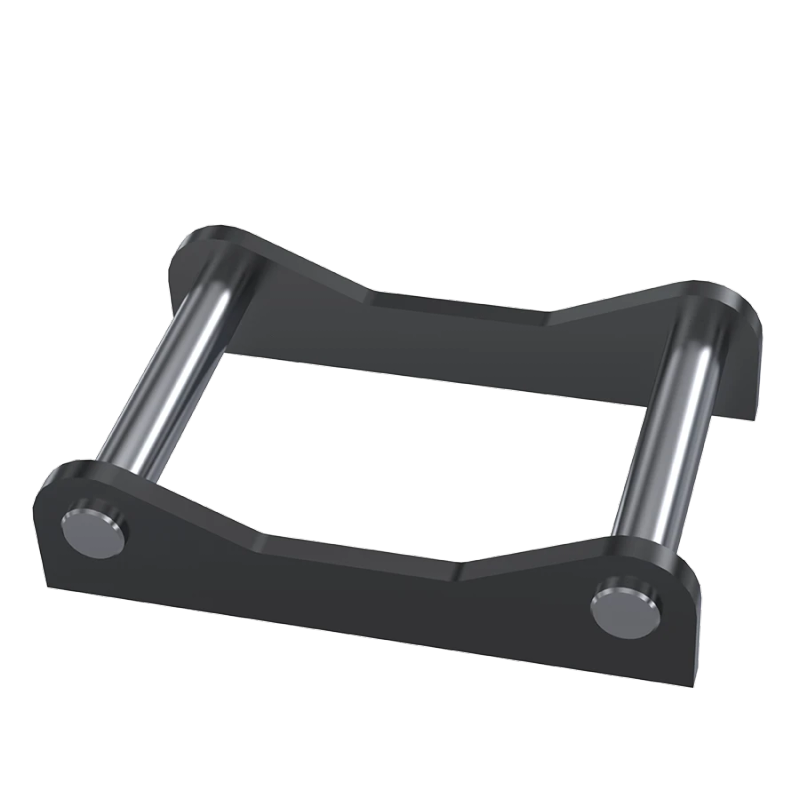
Weld-on Adaptors S
Talk to an Advisor →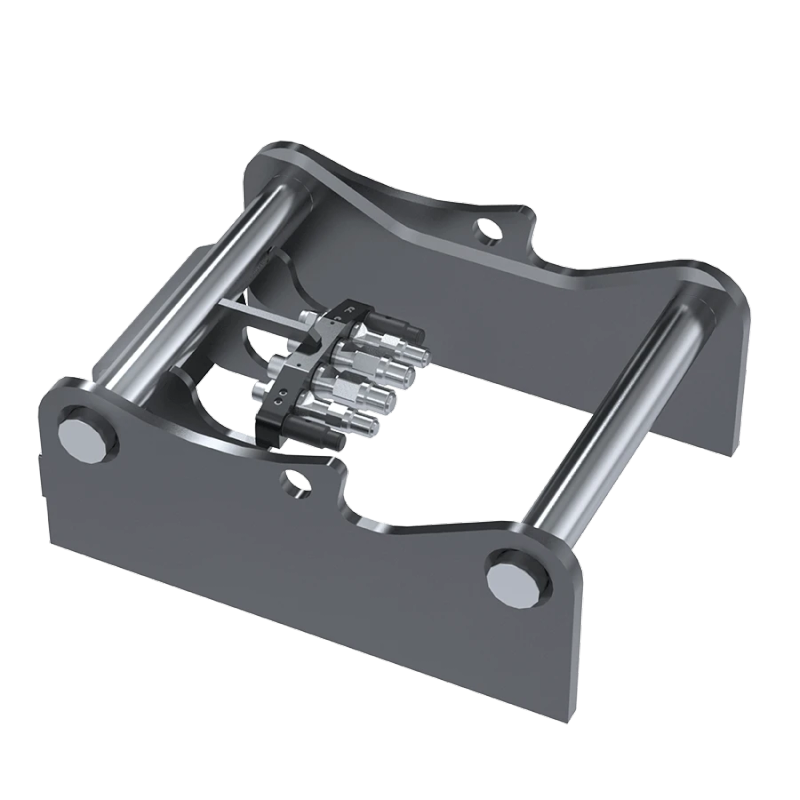
Weld-on Adaptors SQ
Talk to an Advisor →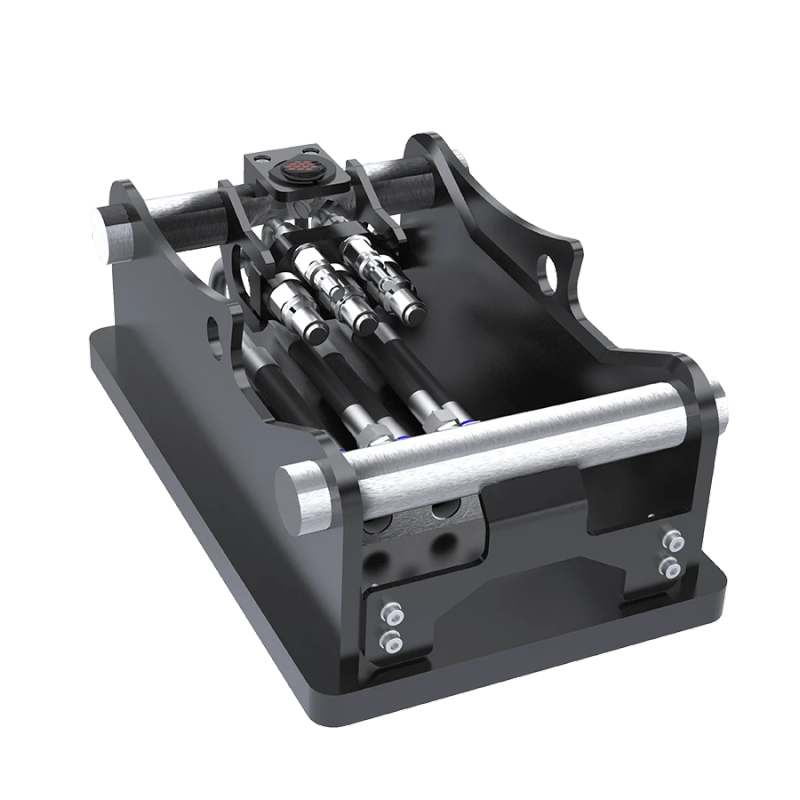
Bolt-on Adaptor Plates SQ
Talk to an Advisor →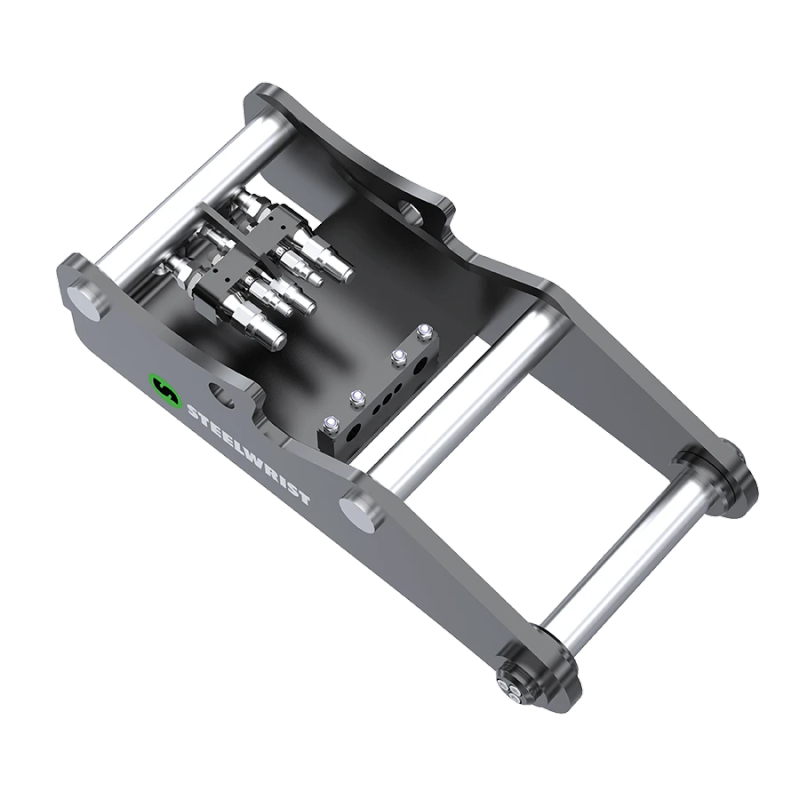
Pendulum Adaptors SQ
Talk to an Advisor →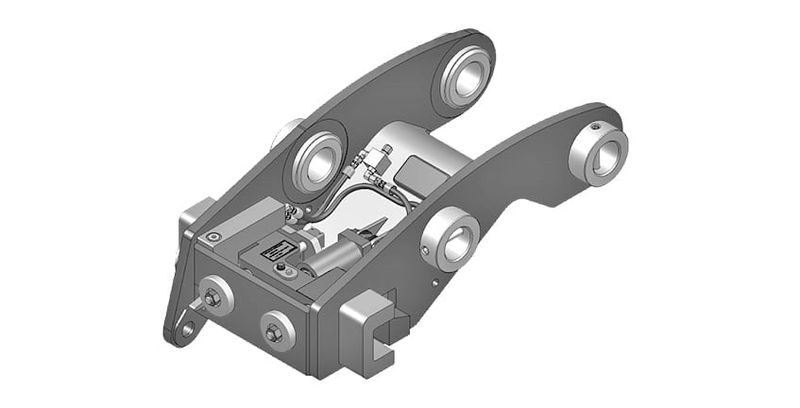
HL Series Hydraulic Wedge Coupler
Talk to an Advisor →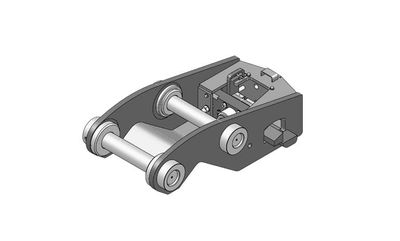
Hydraulic Wedge Coupler
Talk to an Advisor →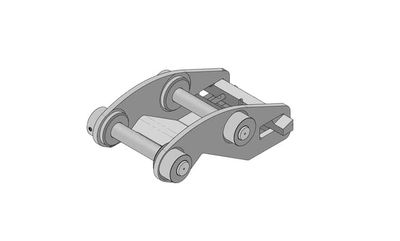
Manual Wedge Quick Coupler
Talk to an Advisor →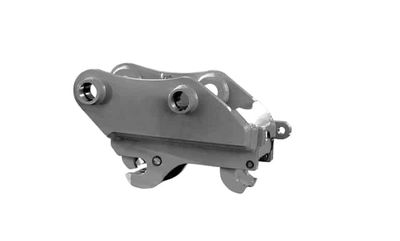
Pin Grabber Quick Coupler
Talk to an Advisor →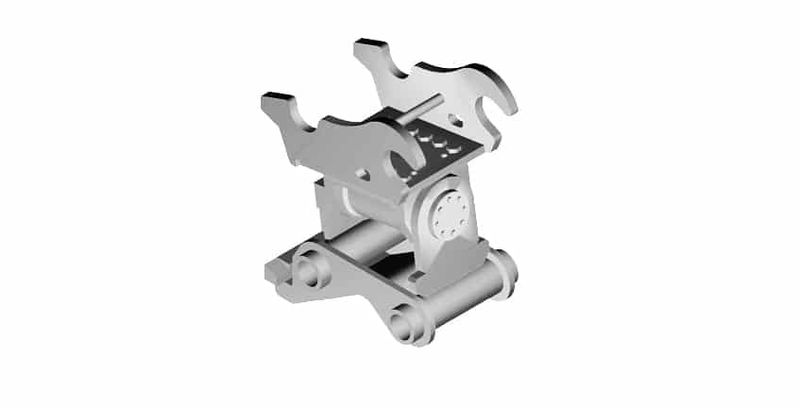
Powertilt Coupler
Talk to an Advisor →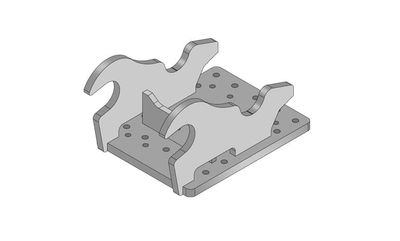
Excavator Hammer/Compactor Adapter
Talk to an Advisor →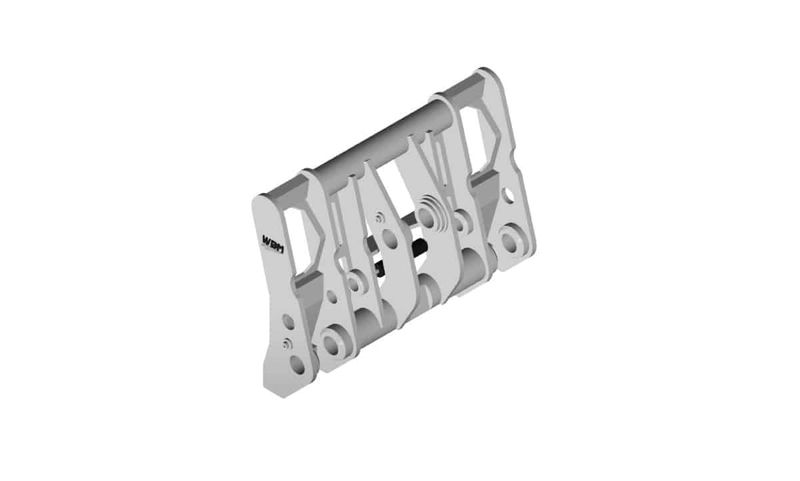
WL KAT Master Hitch
Talk to an Advisor →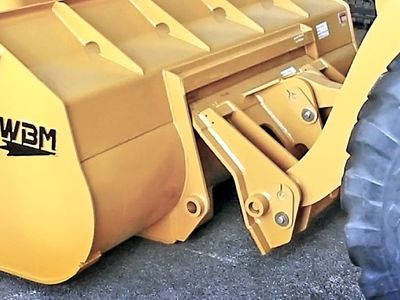
WL WLKAT Series KAT Master Hitch
Talk to an Advisor →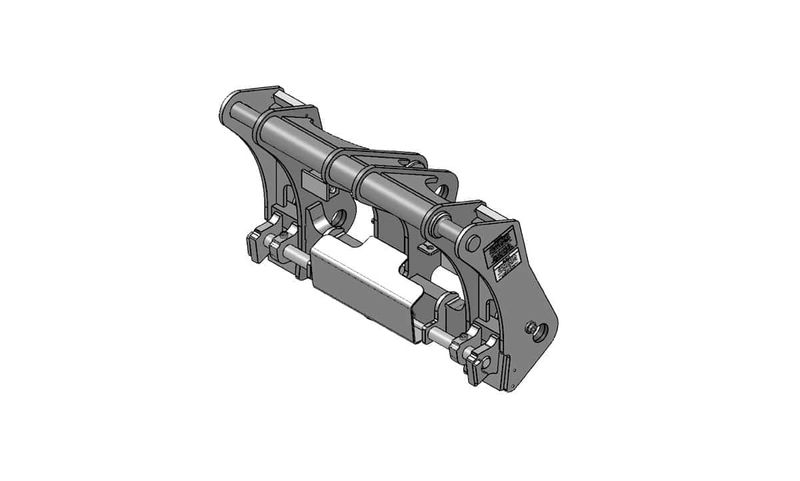
ISO KAT Master Hitch
Talk to an Advisor →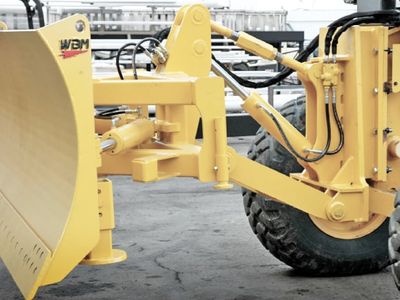
MG Integral Lift Group
Talk to an Advisor →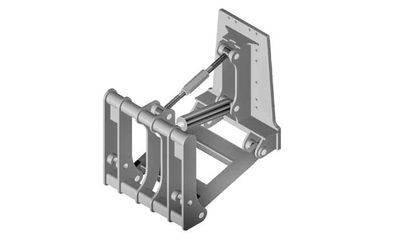
MG KAT Master Hitch Lift Group
Talk to an Advisor →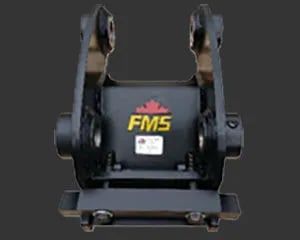
Quick Attach
Talk to an Advisor →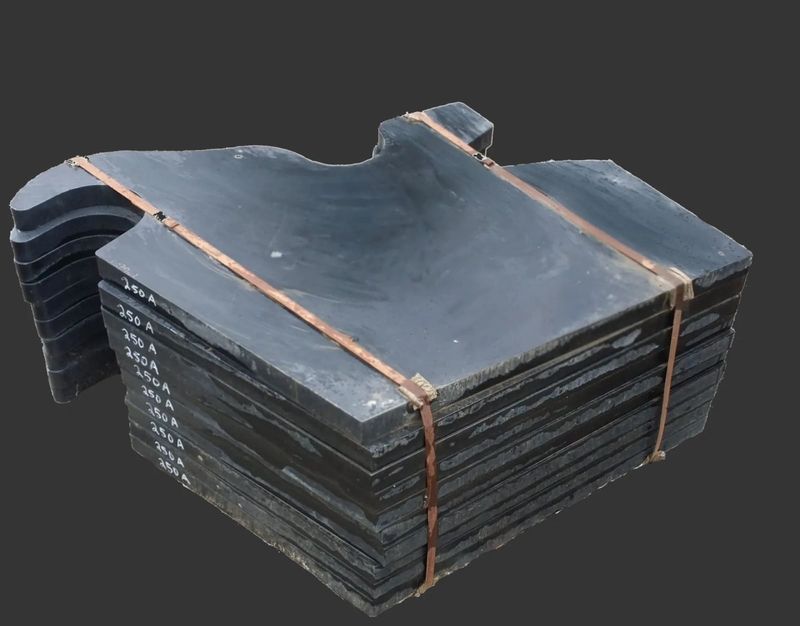
Blank Lugs
Talk to an Advisor →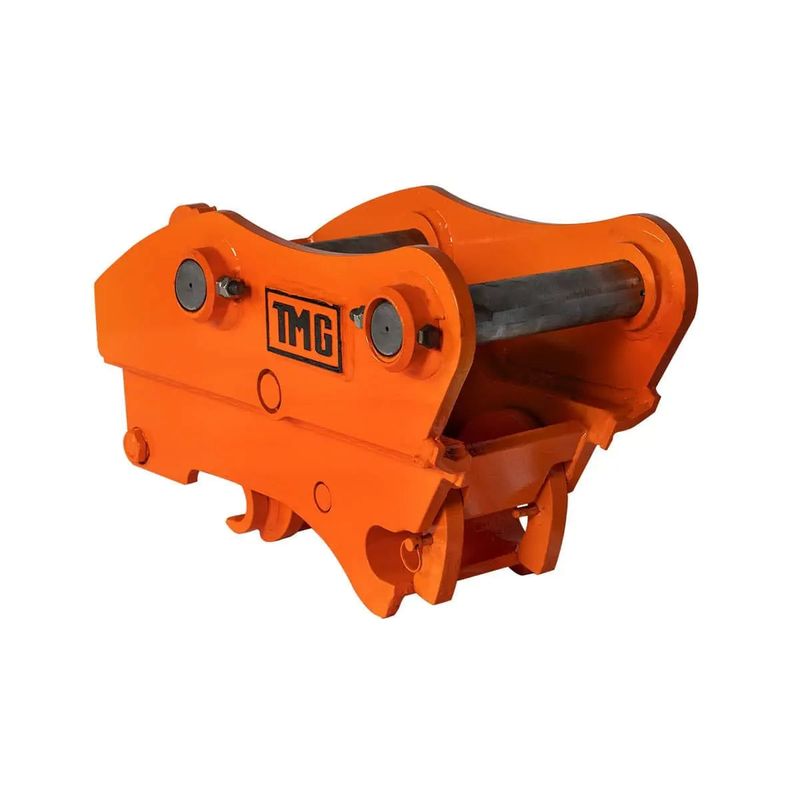
TMG Excavator Quick Coupler
Talk to an Advisor →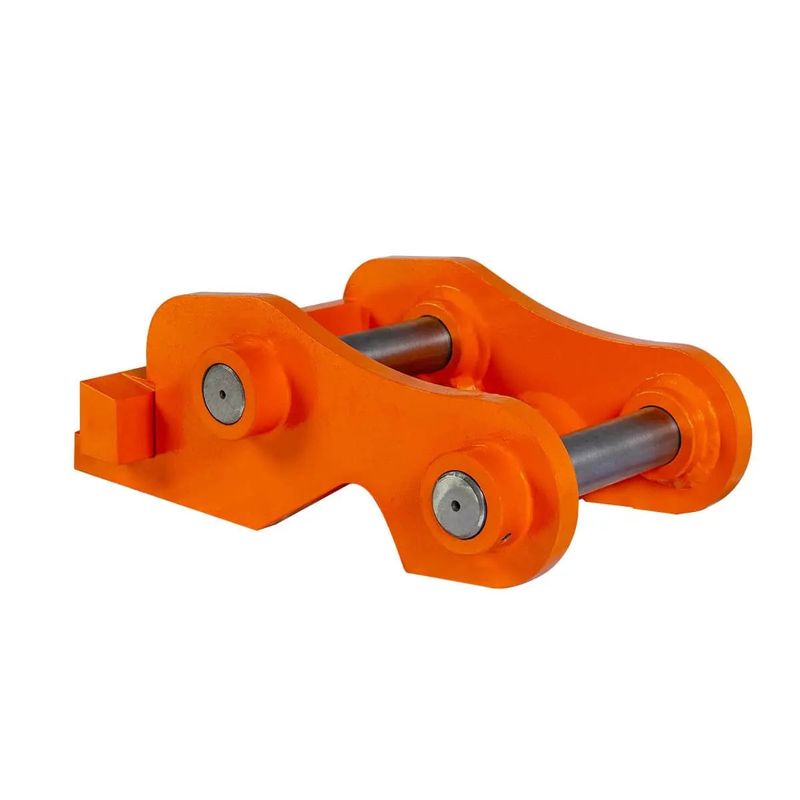
TMG Quick Coupler for TMG Excavator Attachments
Talk to an Advisor →
No couplers and tiltrotators match those filters.
Clear a filter to see the rest, or tell an advisor what machine you run and we will find the right one.
Three steps up, and each one buys something specific.
Quick couplers
The tool changes fast and the pins stay where they are. Mechanical versions unlock with a lever or a pin, hydraulic versions unlock from the cab. Pin grabber couplers pick up pins at a range of spacings, which is what lets one machine run buckets it was not originally pinned for. Wedge couplers use a matched wedge and lug plate, so the tool sits tighter and closer to the stick.
Tilt couplers
Same quick change, plus the tool tilts side to side, typically up to 45 degrees each way, and up to 90 degrees on some models. Slopes, ditch banks and grading along a curb stop needing the machine to be repositioned every few feet.
Tiltrotators
Tilt plus full 360 degree rotation, under power, with a control system in the cab. The bucket works at any angle from wherever the machine happens to be parked. For grading, shaping ditches, working around pipe and finishing, it turns an excavator into a genuinely different machine. It is the biggest single change you can make to how an excavator works, and it is priced accordingly.
Adapters and lugs
Weld on adaptors, bolt on plates and blank lugs so an existing tool can be brought onto a coupler system. Also excavator to skid steer and backhoe to skid steer adapters, which let a machine run skid steer tools it otherwise could not.
Lift groups and master hitches
On wheel loaders and motor graders the coupler job is done by a master hitch or a lift group, the mounting and lifting frame that front attachments hang on. We carry those as well.
A coupler is a decision about every tool you will ever buy.
The coupler is the one attachment that changes what all the others have to look like. Once the machine is on a system, every bucket, thumb and grapple needs lugs that match it. So the question is not only which coupler fits the machine, it is which system your fleet is going to run.
Match the machine weight class
Couplers are rated by machine weight, and the range across what we carry runs from under 4,400 lb machines up to 160,000 lb. Steelwrist publishes a size for every band, from the smallest compact up to the largest excavators. Weldco-Beales rates its pin grabber at 15 to 30 tonnes and its wedge coupler by excavator series. AMI publishes machine weight ranges on most of its range.
Mechanical or hydraulic
Mechanical is simpler, cheaper and fine if you swap tools twice a week. Hydraulic pays for itself the moment the operator is changing tools several times a day, because it happens from the seat.
Safety matters here more than anywhere else
A dropped tool is the failure mode, so look for front pin locking and a positive safety device, and follow the manufacturer check routine. This is not a place to buy on price alone.
Tiltrotators need the machine prepared
Auxiliary hydraulics, a control system and usually a proportional setup in the cab. Steelwrist publishes machine interfaces and building heights for every model, so the fit can be confirmed before anything is ordered. An advisor works through it with you.
Automatic couplers change the economics again
Fully automatic systems connect the hydraulics as well as the mechanical hookup, so powered tools go on without the operator leaving the cab and without oil on the ground.
Questions we get asked
What is a tiltrotator, and is it worth it?
It is a powered wrist between the machine and the tool. The bucket tilts up to 45 degrees each way and rotates a full 360 degrees, so the operator grades, shapes and finishes from wherever the machine sits. It is worth it when the job is precision work rather than volume: ditching, landscaping, utilities, working around existing services. It is not worth it on a machine that digs a hole and fills a truck all day.
What is the difference between a pin grabber and a wedge coupler?
A pin grabber picks up the tool by its existing pins and handles a range of pin spacings, so it can run buckets from different machines. A wedge coupler uses a matched lug plate welded to the tool, which sits tighter to the stick and gives back some of the breakout force a coupler costs you. Pin grabber is flexible. Wedge is tight and strong. Which one suits you depends on how mixed your tool collection is.
Will a coupler fit my excavator?
Almost certainly, and the size is set by the machine operating weight. The range we carry covers machines from under 4,400 lb to over 150,000 lb. Tell us the make, model and year and an advisor confirms the size and the interface.
Can I still use my old buckets after fitting a coupler?
Usually yes. A pin grabber may pick them up as they are, and for a wedge system we can supply weld on adaptors or blank lugs so an existing tool comes onto the new standard. Bring the list of what you own into the conversation, because it often changes which coupler makes sense.
Do I need extra hydraulics?
For a hydraulic coupler, one auxiliary circuit. For a tiltrotator, more than that: auxiliary hydraulics plus a control system in the cab. We will tell you what the machine needs before you order, not after.
Pick the system once, and every tool after it fits.
Tell an advisor what machine you run and what tools you already own. We will work out which coupler standard makes sense for the fleet, not just for the next purchase.