
Excavator and Loader Buckets in Southern Alberta
Foothills Equipment carries 112 buckets for excavators, mini excavators, wheel loaders, backhoes and skid steers, from AMI, Weldco-Beales, FMS, Steelwrist and TMG Industrial. We are in Calgary and Lethbridge, serving Southern Alberta, everything south of Red Deer. A bucket is the tool the machine spends most of its life holding, so it is worth getting the shape and the wear package right.
112 buckets across five lines.
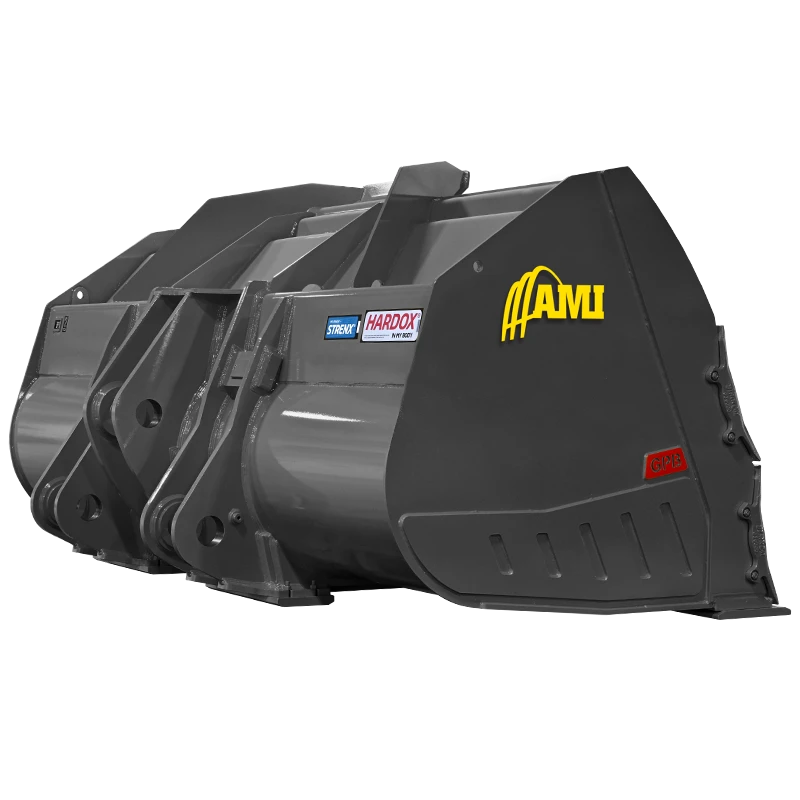
2-Pass Bucket
Talk to an Advisor →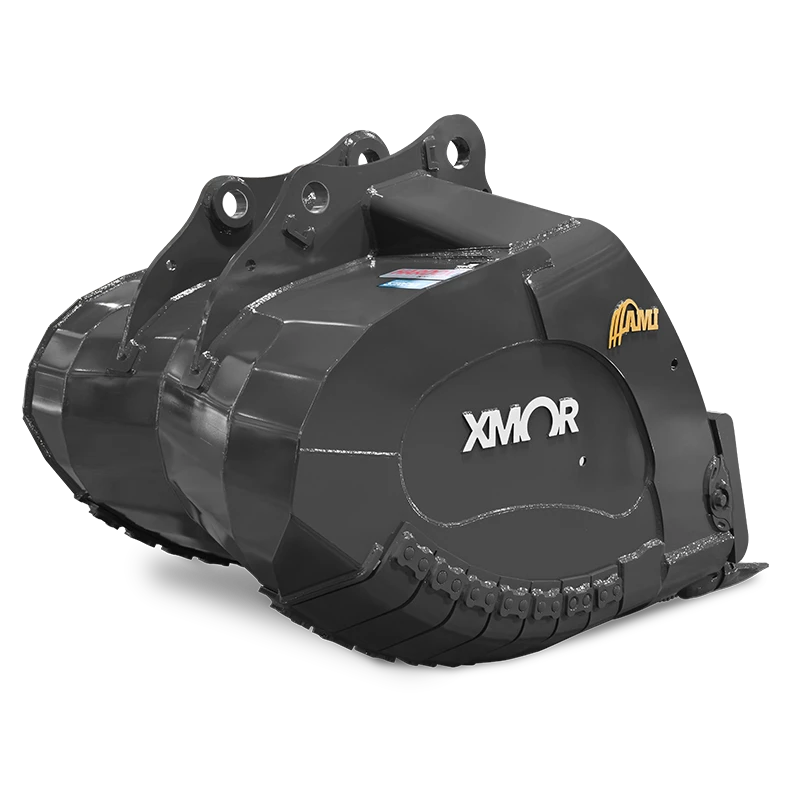
AMI XMOR® BHB Mining Bucket
Talk to an Advisor →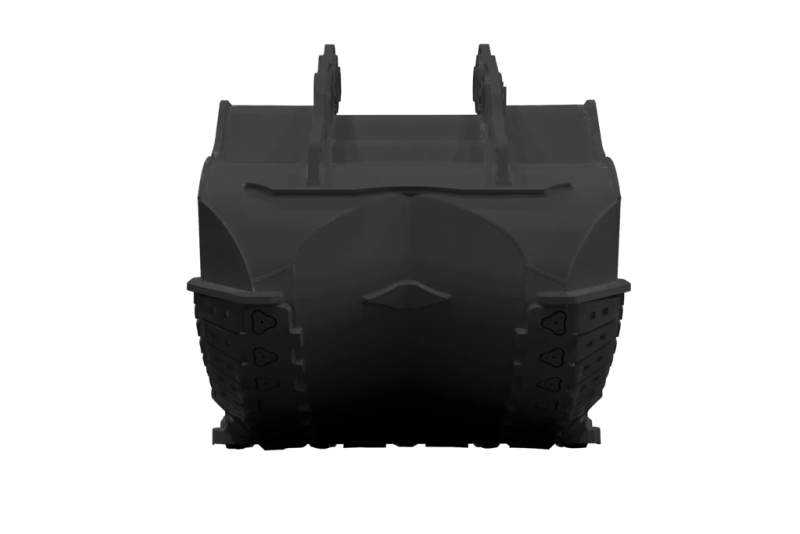
AMI XMOR® BHC Mining Bucket
Talk to an Advisor →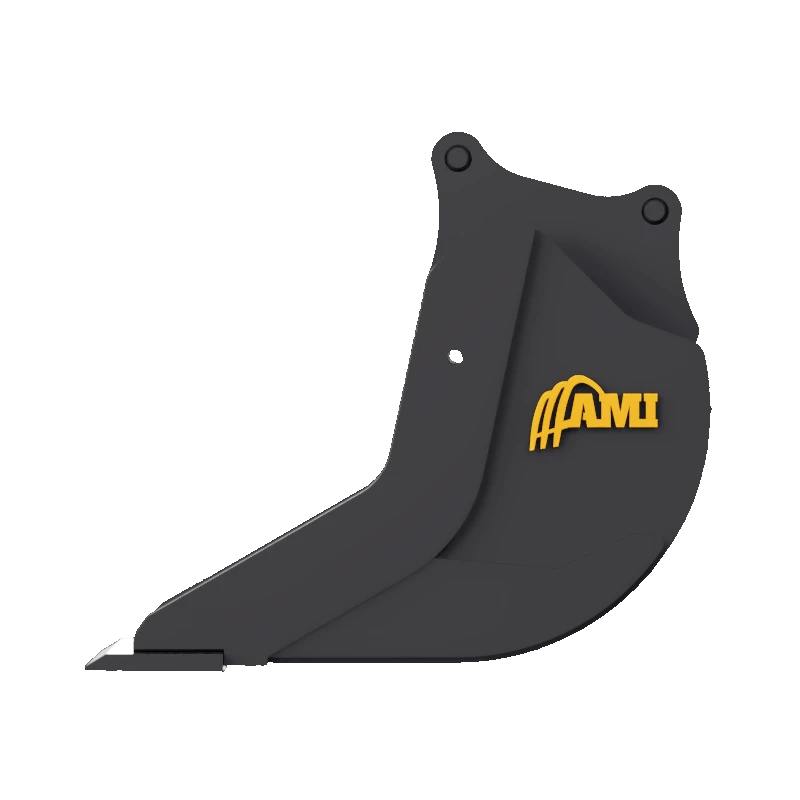
Cable Bucket
Talk to an Advisor →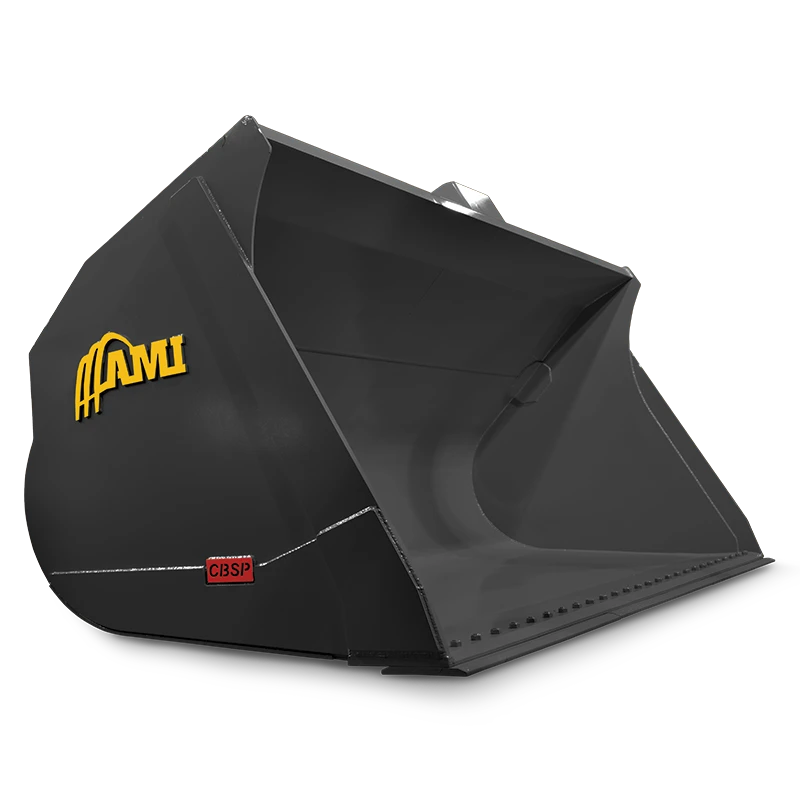
Coal Stockpile Bucket
Talk to an Advisor →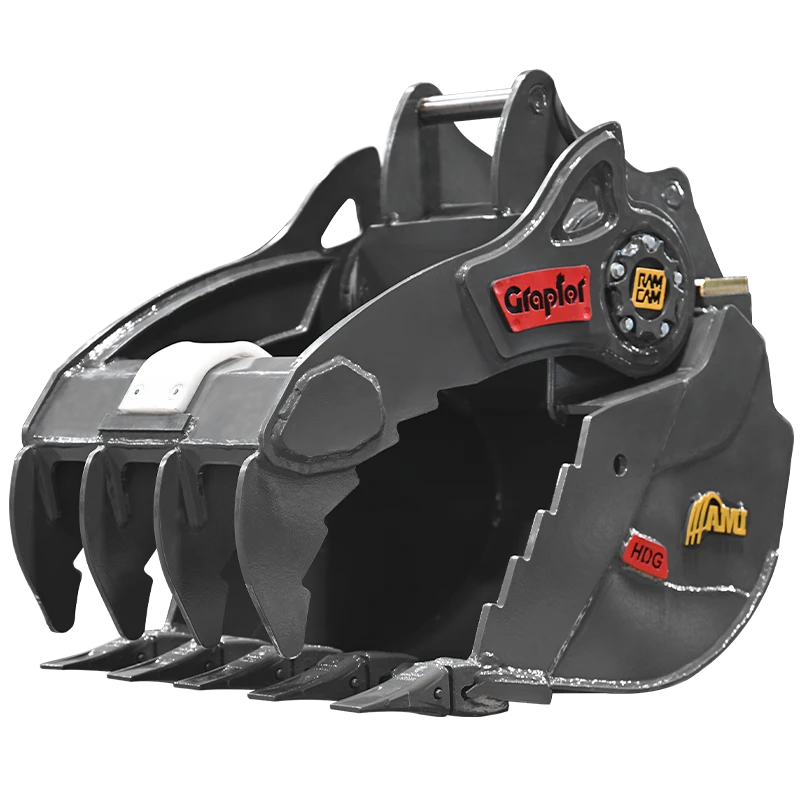
Compact Graptor® Bucket Powered by RAMCAM®
Talk to an Advisor →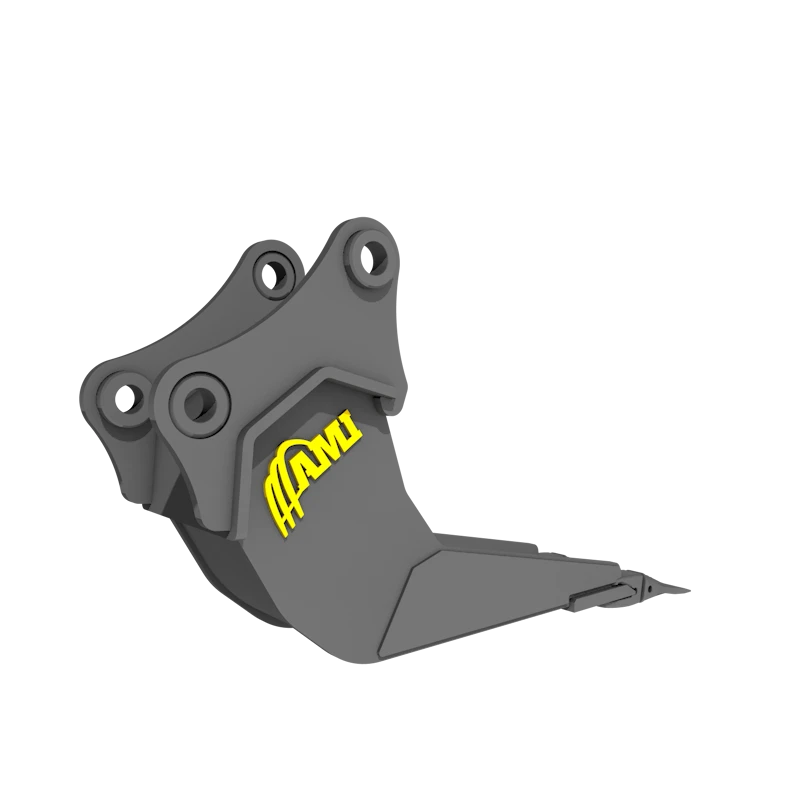
Cribbing Bucket
Talk to an Advisor →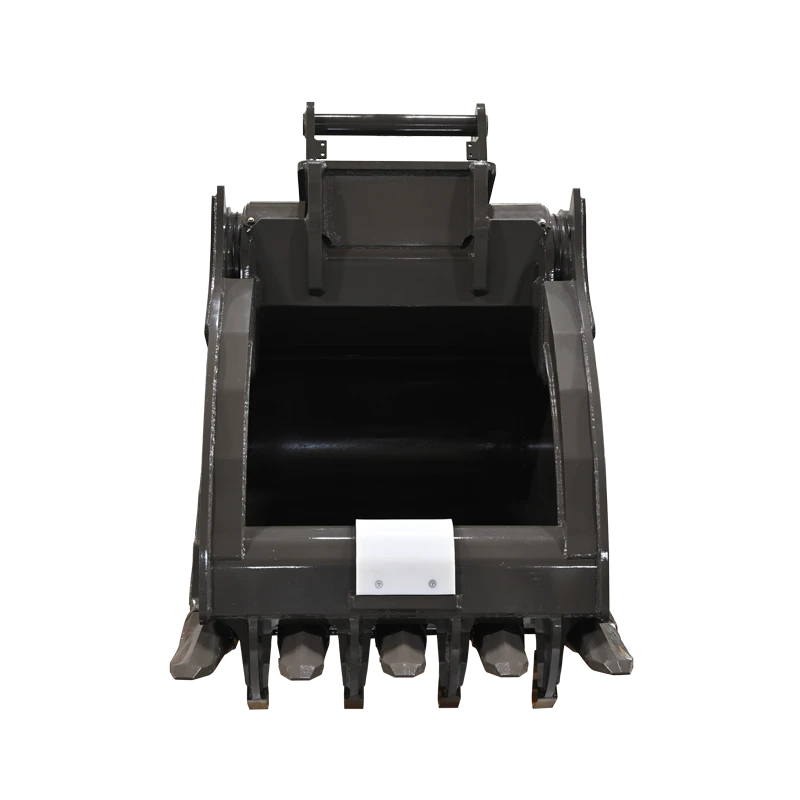
Demolition Graptor® Bucket Powered by RAMCAM®
Talk to an Advisor →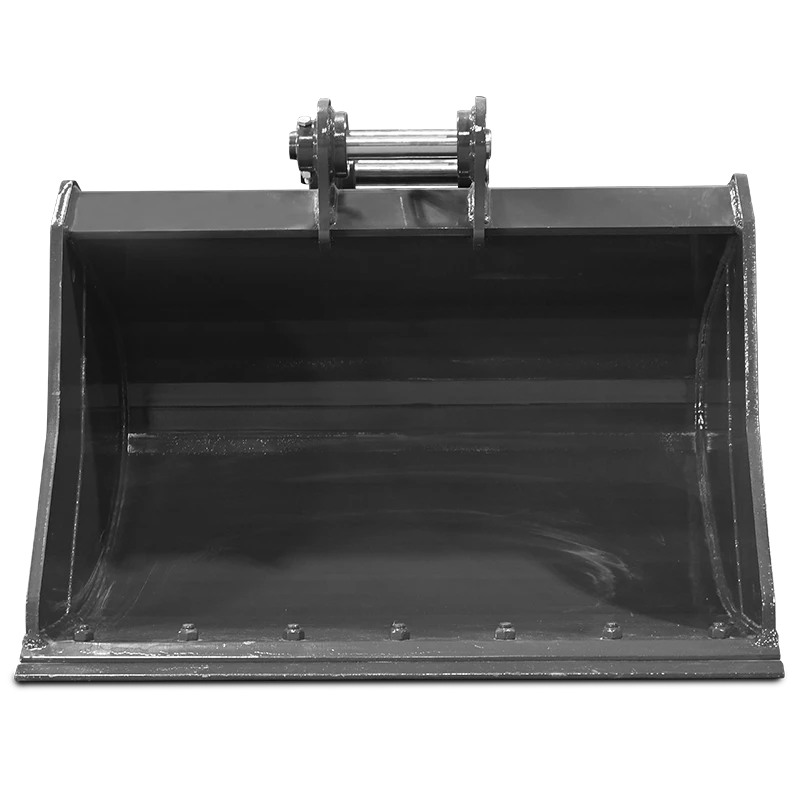
Ditch Cleaning Bucket
Talk to an Advisor →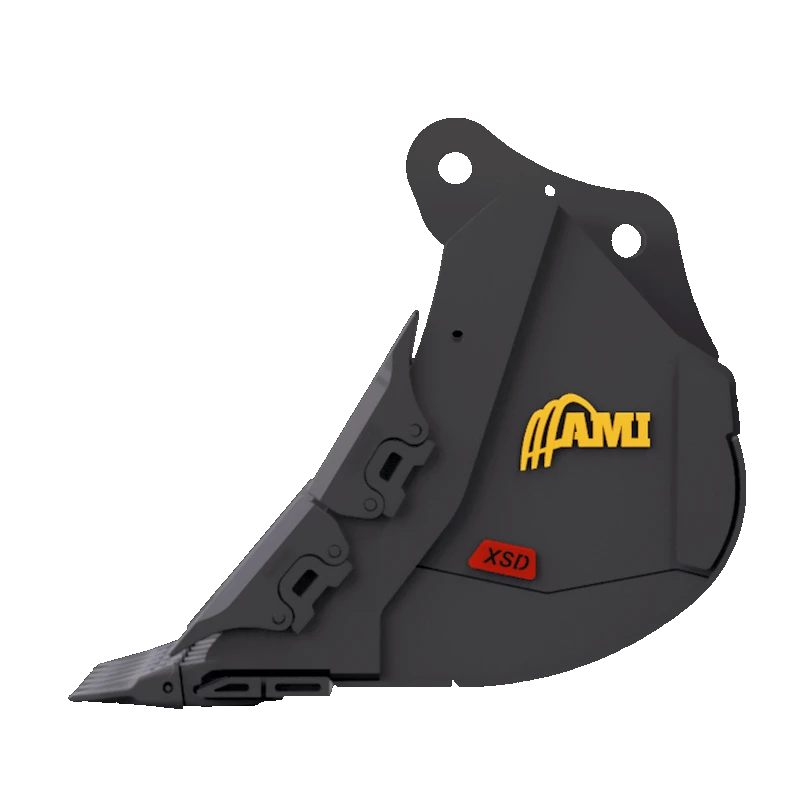
Extreme Service Digging Bucket
Talk to an Advisor →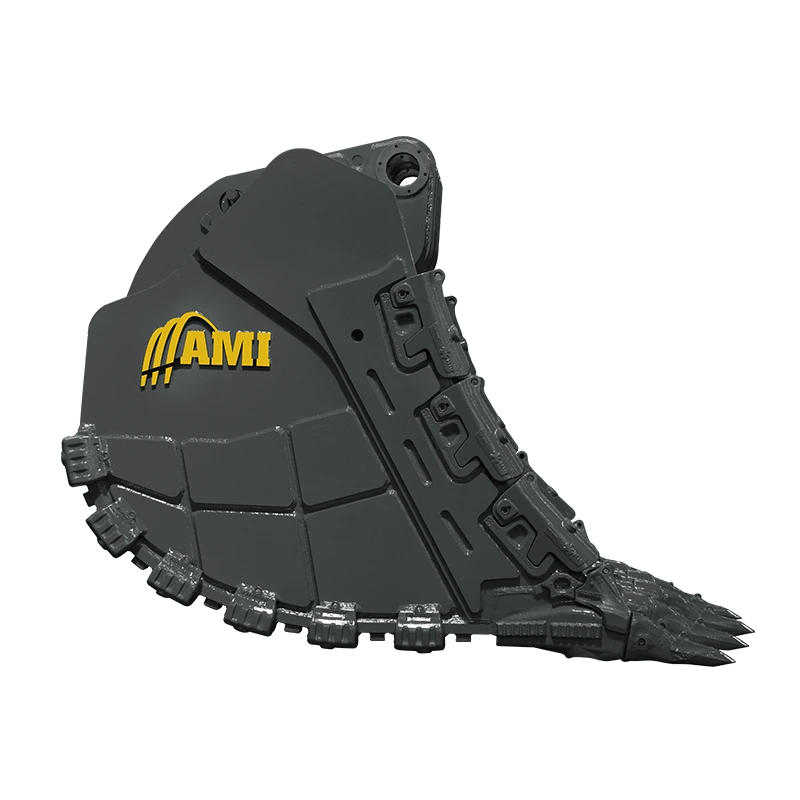
Extreme Service Mining Bucket
Talk to an Advisor →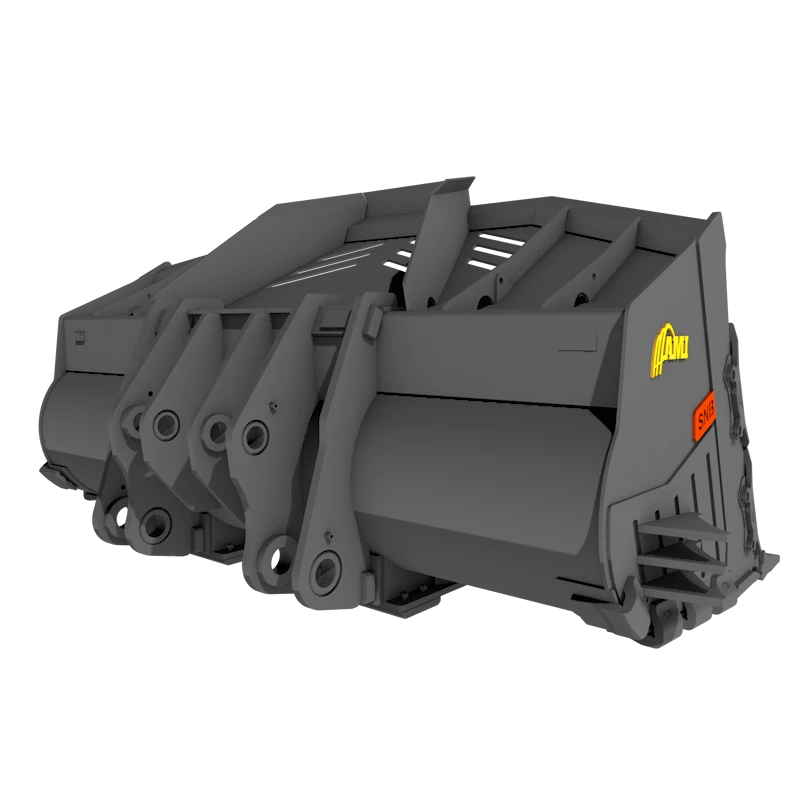
Extreme Service Rock Bucket
Talk to an Advisor →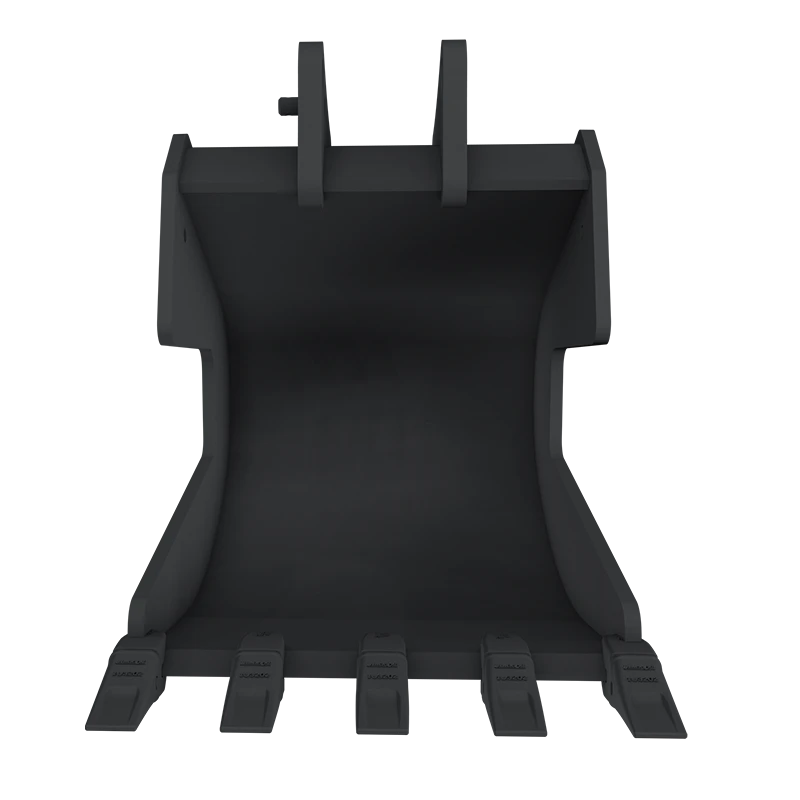
Extreme Service Slab Bucket
Talk to an Advisor →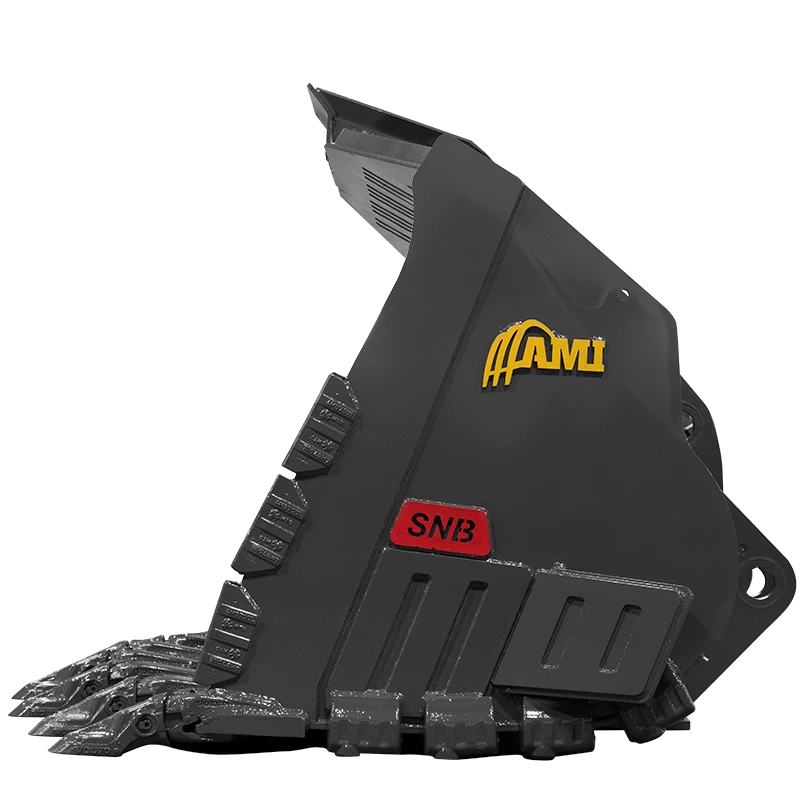
Extreme Service Spade Nose Rock Bucket
Talk to an Advisor →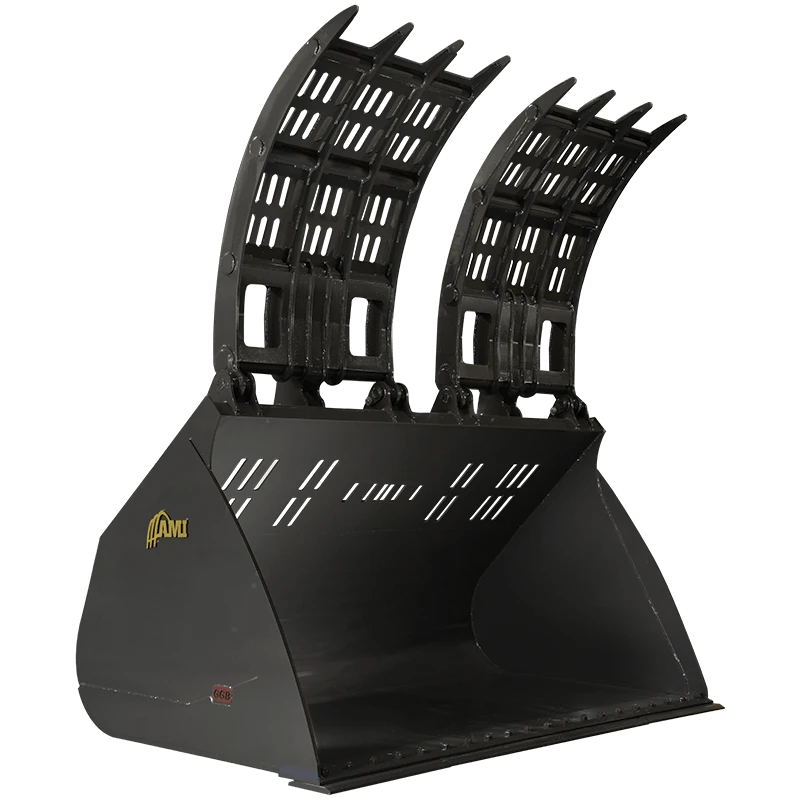
Garbage Grapple Bucket
Talk to an Advisor →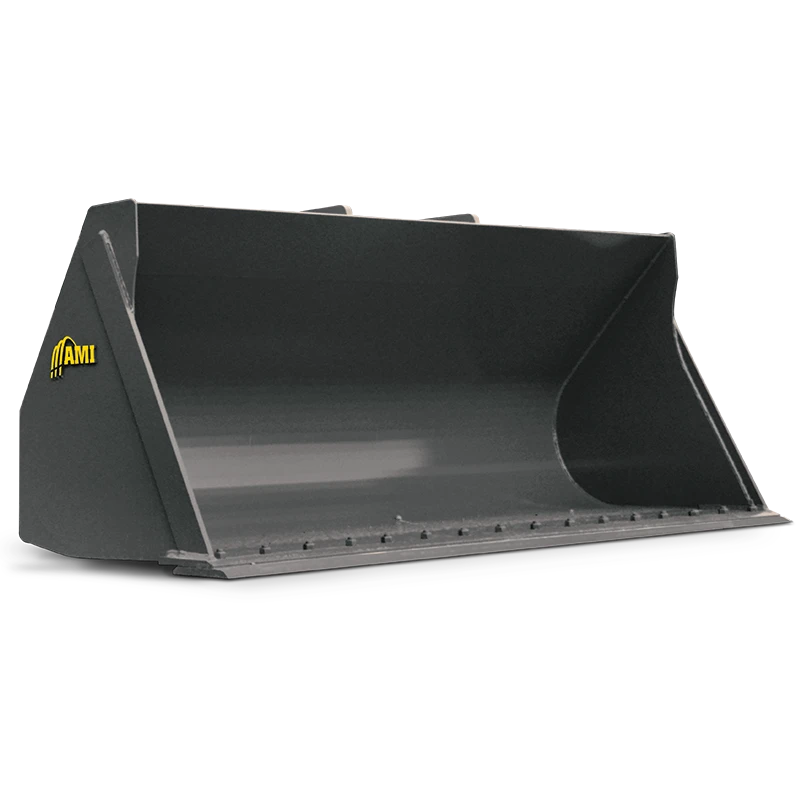
General Purpose Bucket
Talk to an Advisor →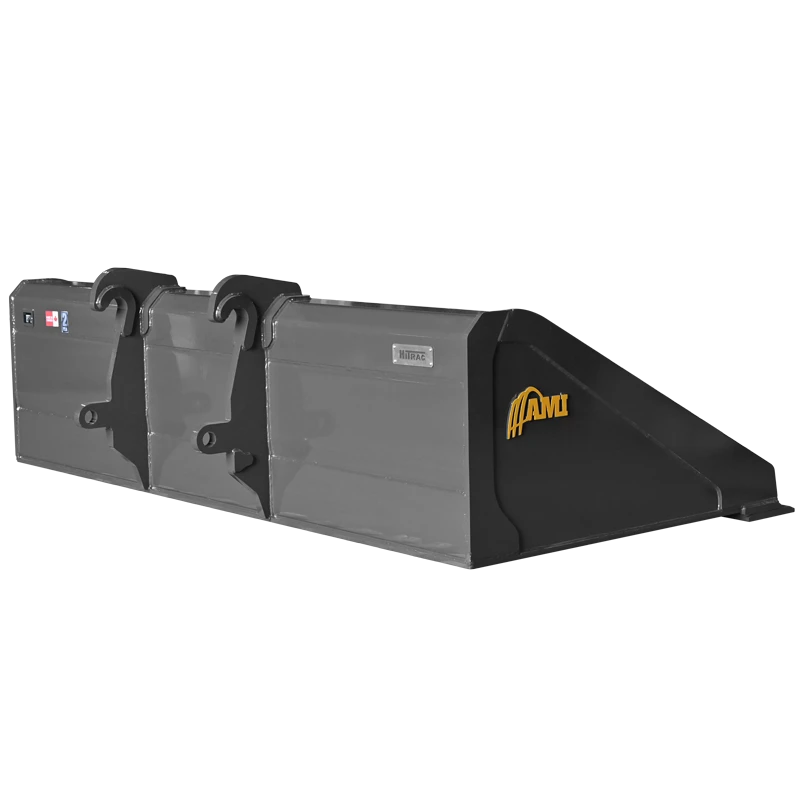
Grading Bucket
Talk to an Advisor →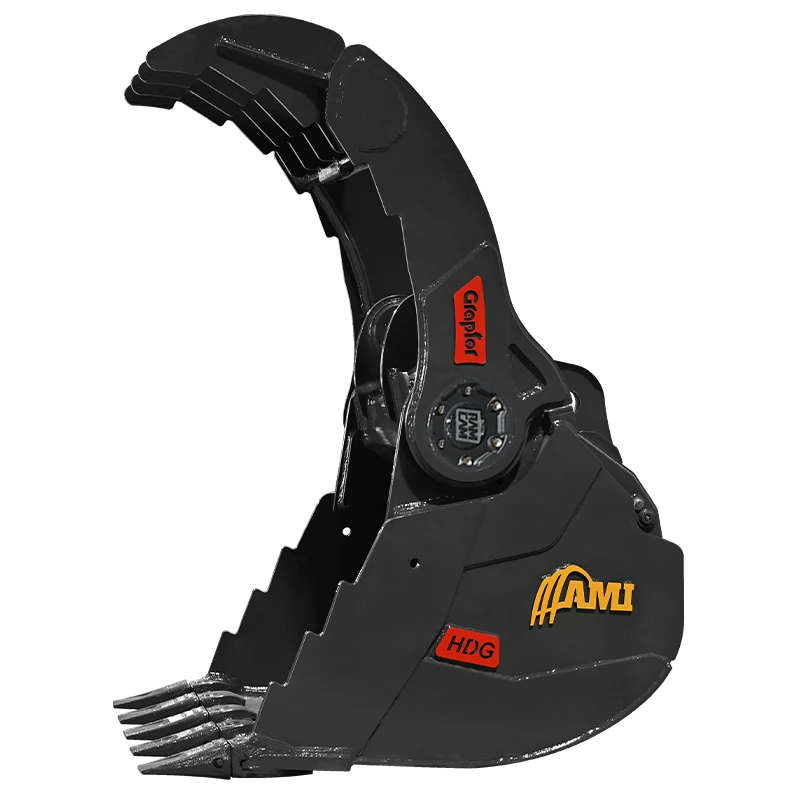
Graptor® Bucket Powered by RAMCAM®
Talk to an Advisor →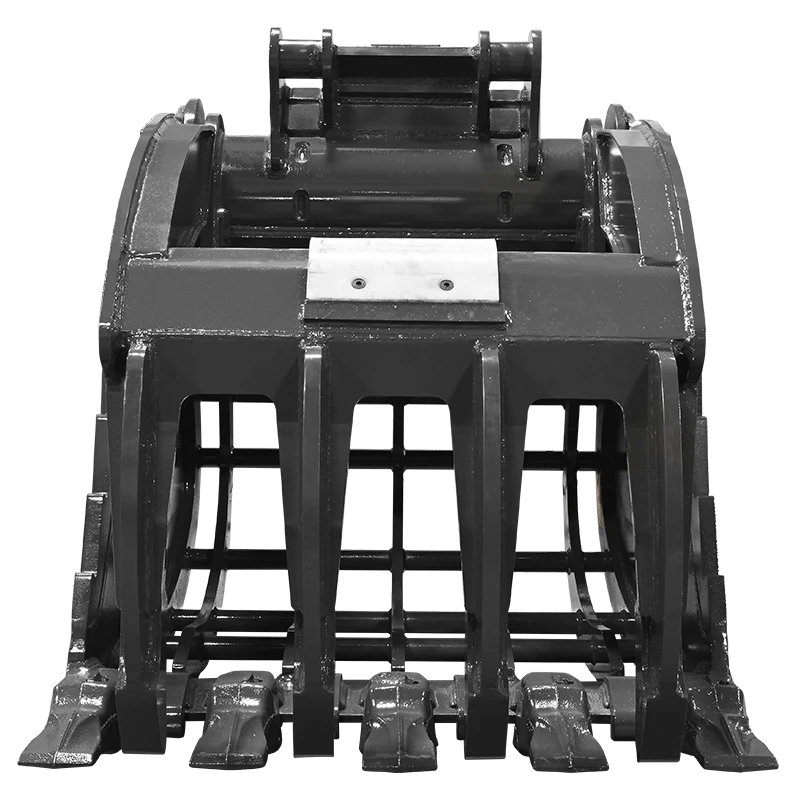
Graptor® Screening Bucket Powered by RAMCAM®
Talk to an Advisor →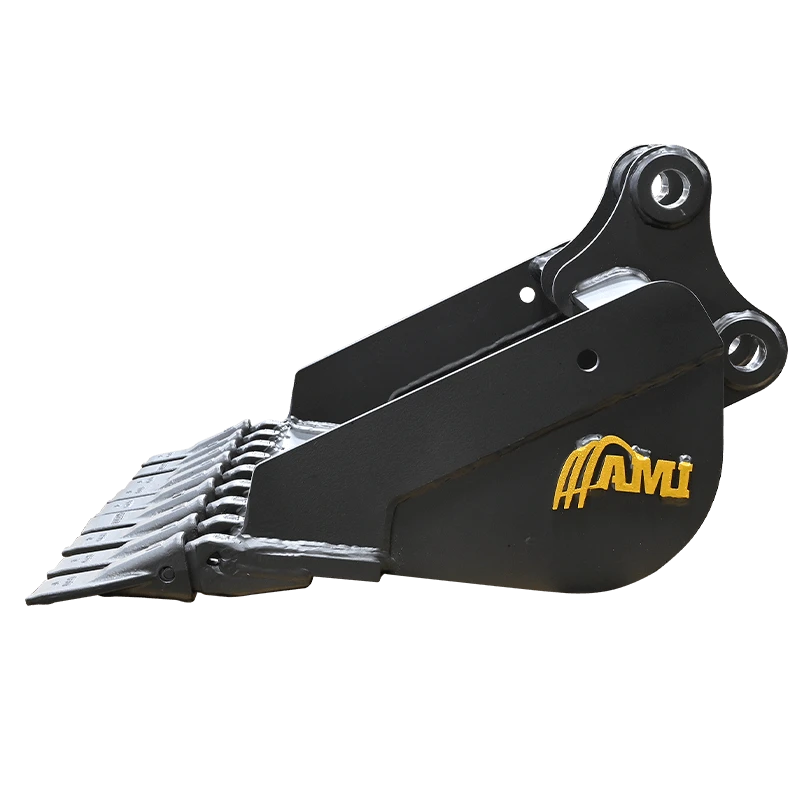
Grave Style Bucket
Talk to an Advisor →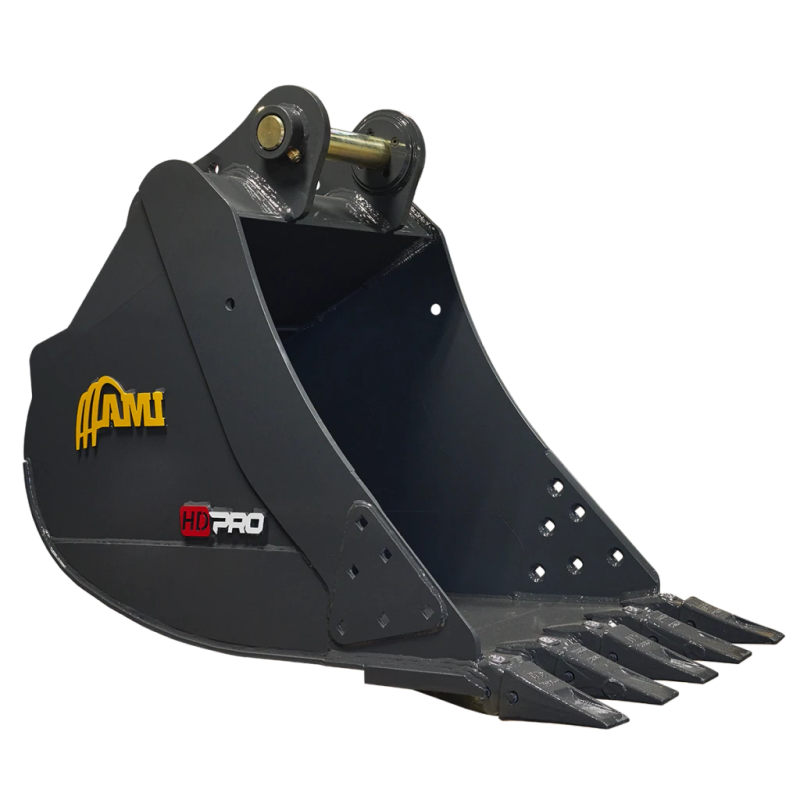
HD PRO Digging Bucket
Talk to an Advisor →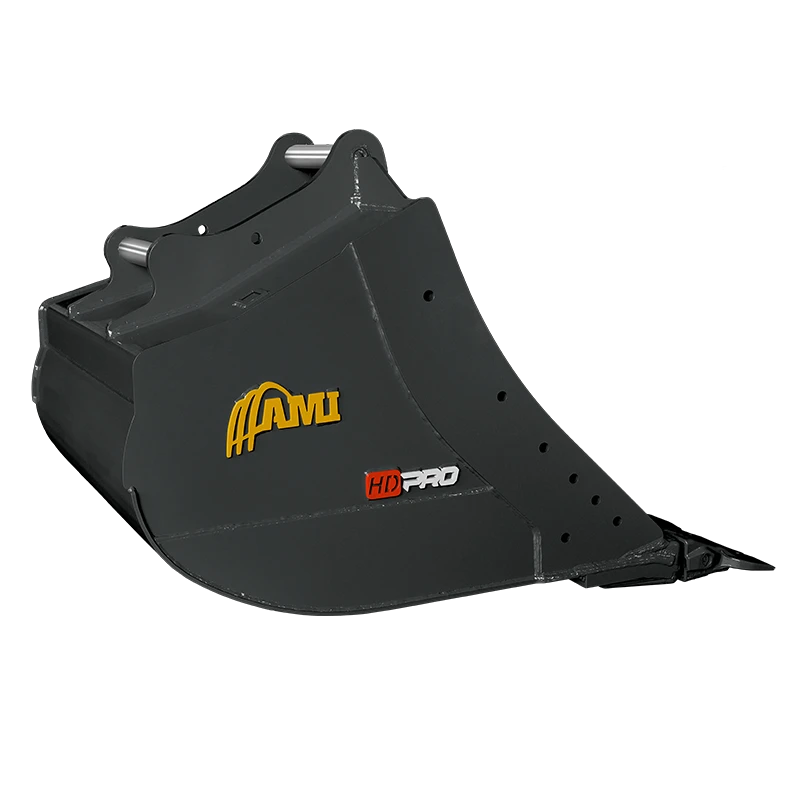
HD PRO Digging Bucket – Symmetrical
Talk to an Advisor →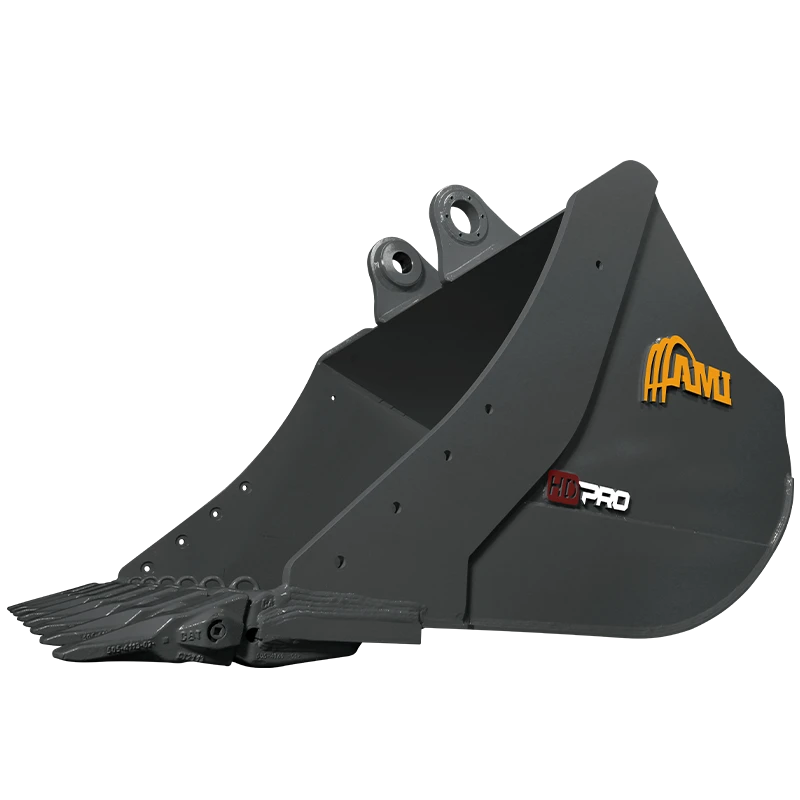
HD PRO+ Digging Bucket
Talk to an Advisor →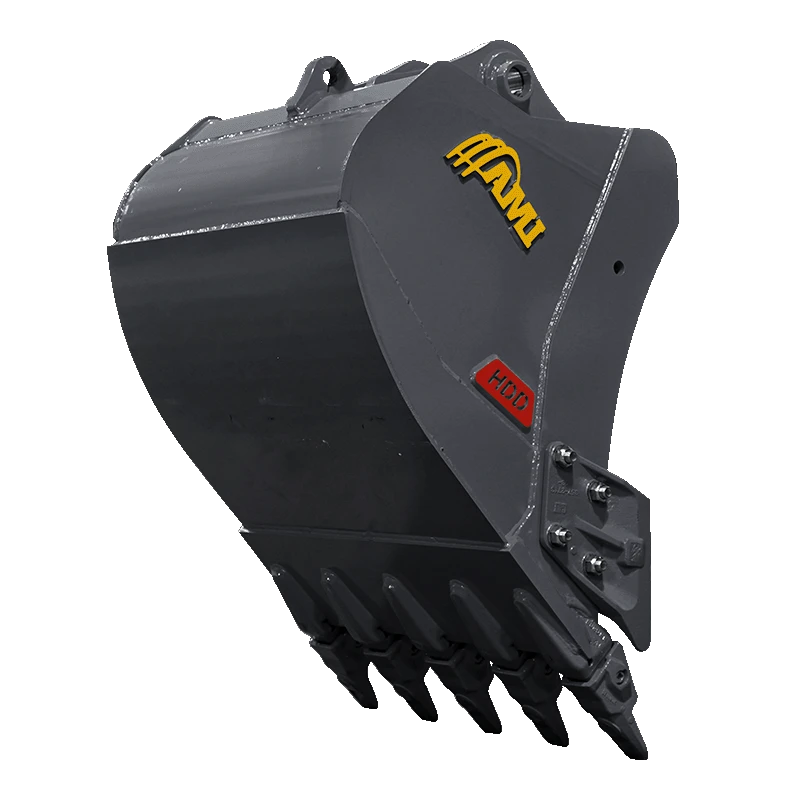
Heavy Duty Digging Bucket
Talk to an Advisor →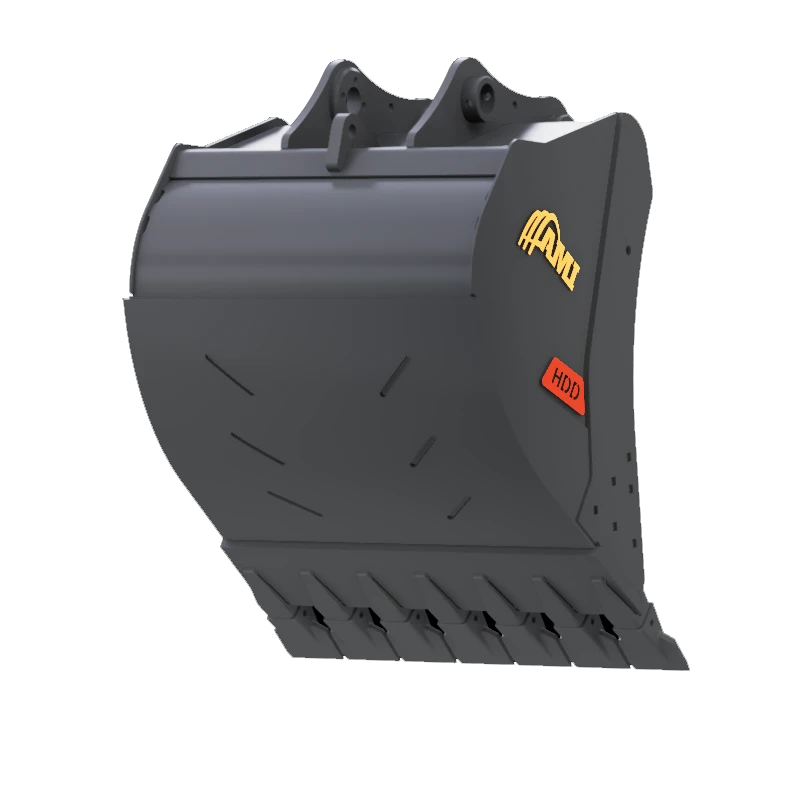
Heavy Duty Digging Bucket – Spade Tooth
Talk to an Advisor →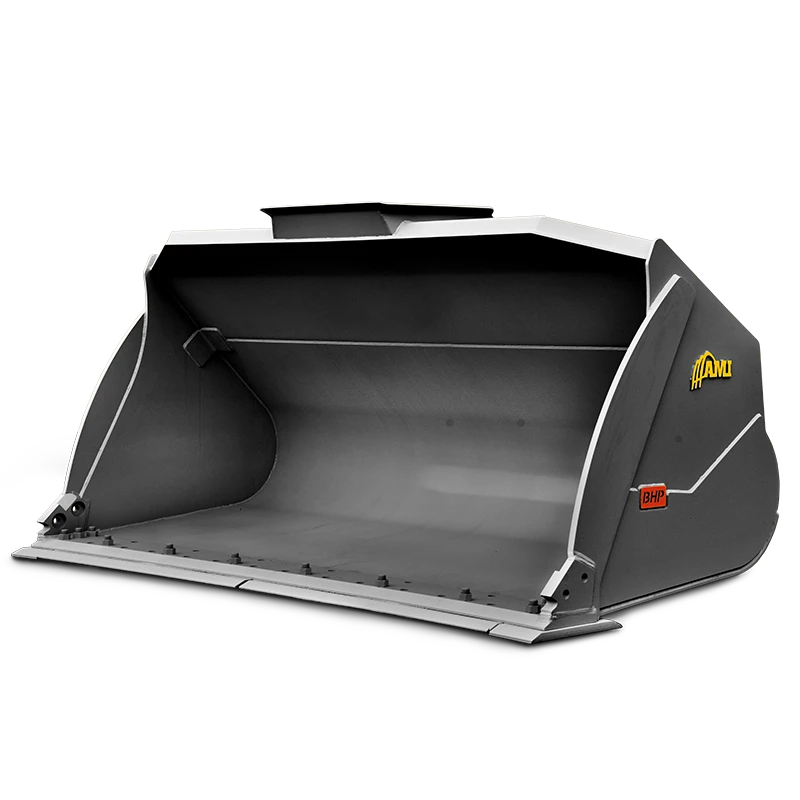
Heavy Duty General Purpose Bucket
Talk to an Advisor →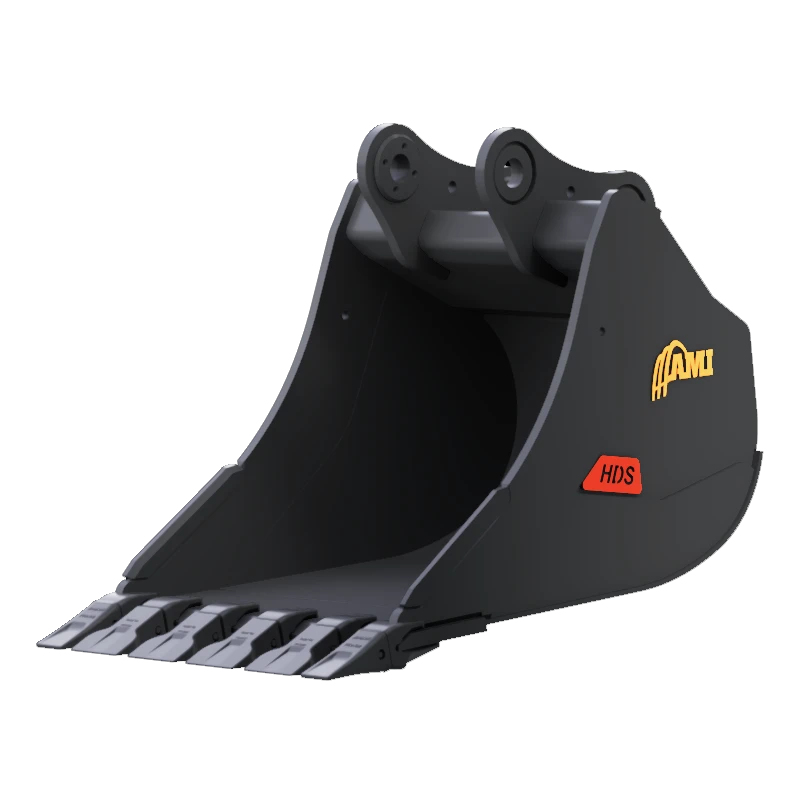
Heavy Duty Sewer Bucket – Spade Tooth
Talk to an Advisor →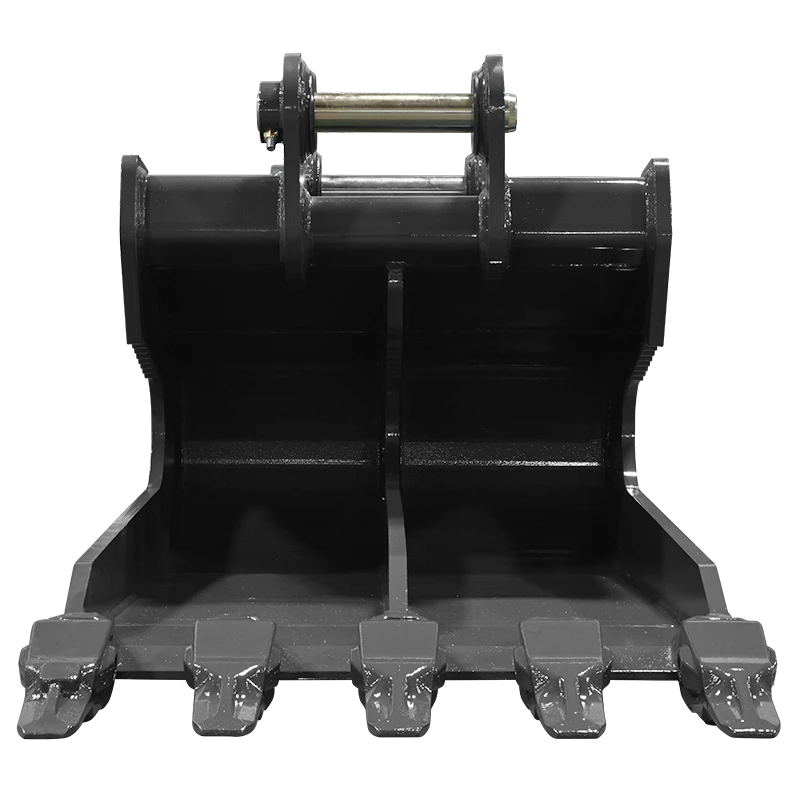
Heavy Duty Slab Bucket
Talk to an Advisor →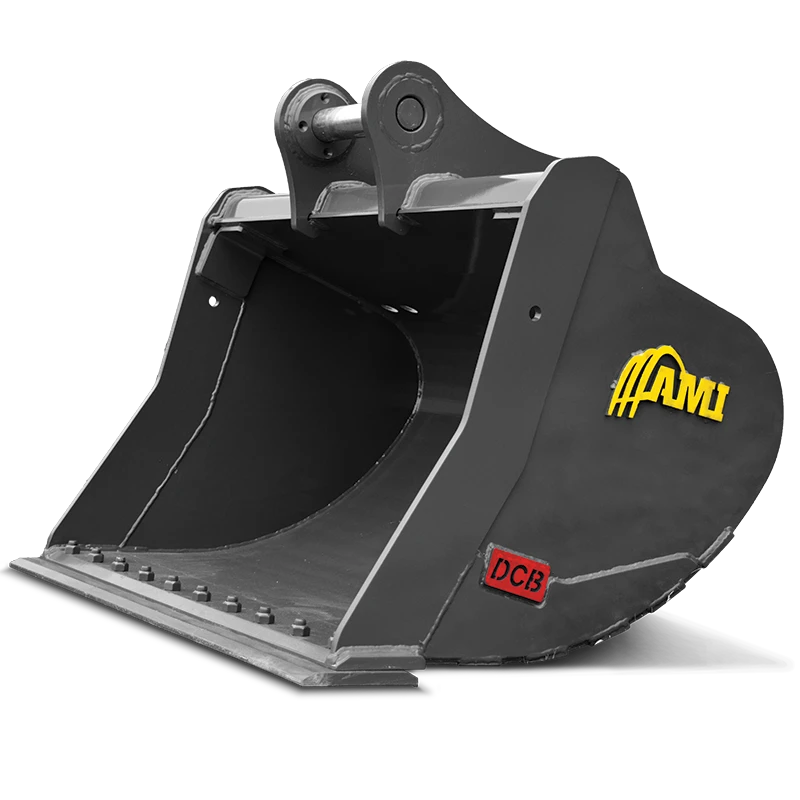
High Capacity Ditch Cleaning Bucket
Talk to an Advisor →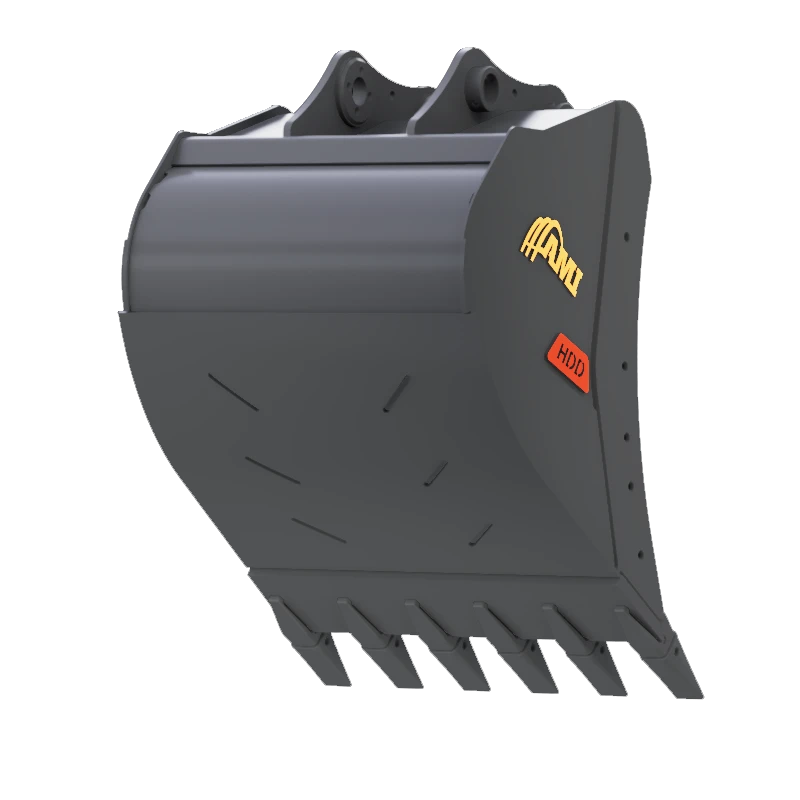
High Capacity Heavy Duty Digging Bucket
Talk to an Advisor →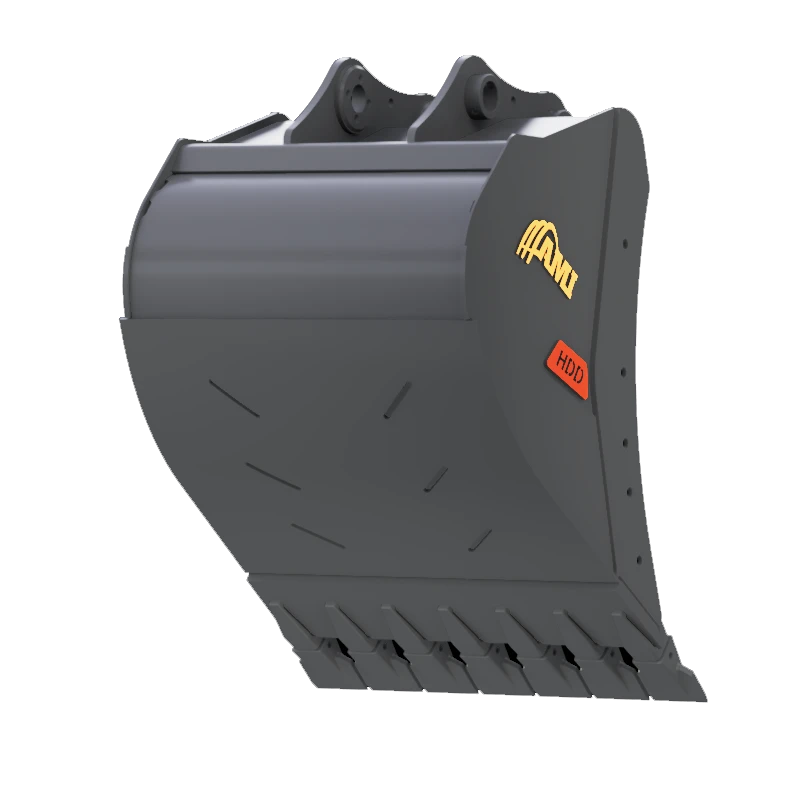
High Capacity Heavy Duty Digging Bucket – Spade Tooth
Talk to an Advisor →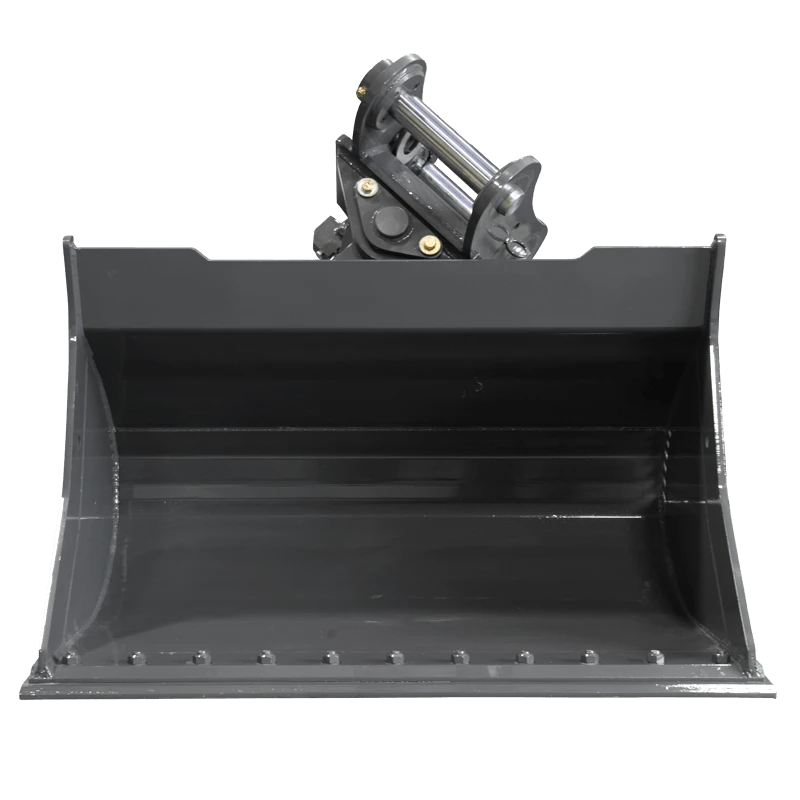
High Capacity Hydraulic Tilt Ditch Cleaning Bucket
Talk to an Advisor →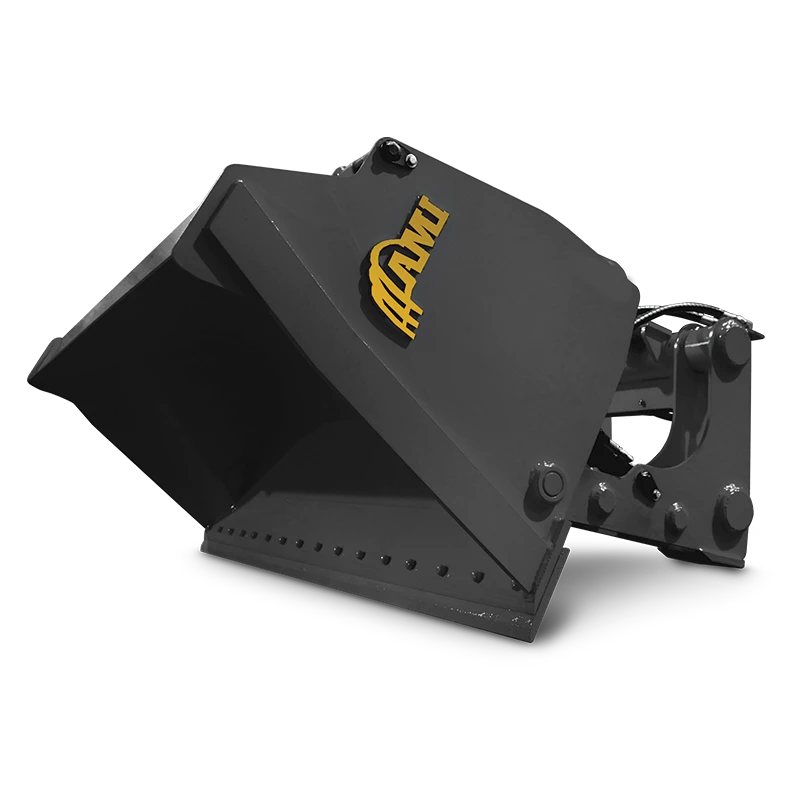
High Dump Bucket
Talk to an Advisor →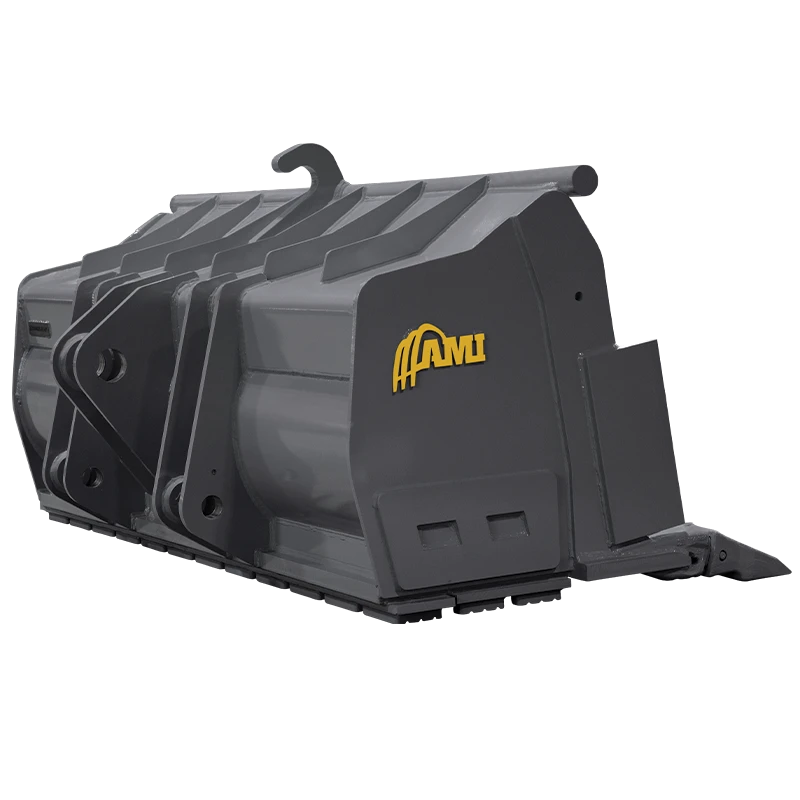
Hot Slag Bucket
Talk to an Advisor →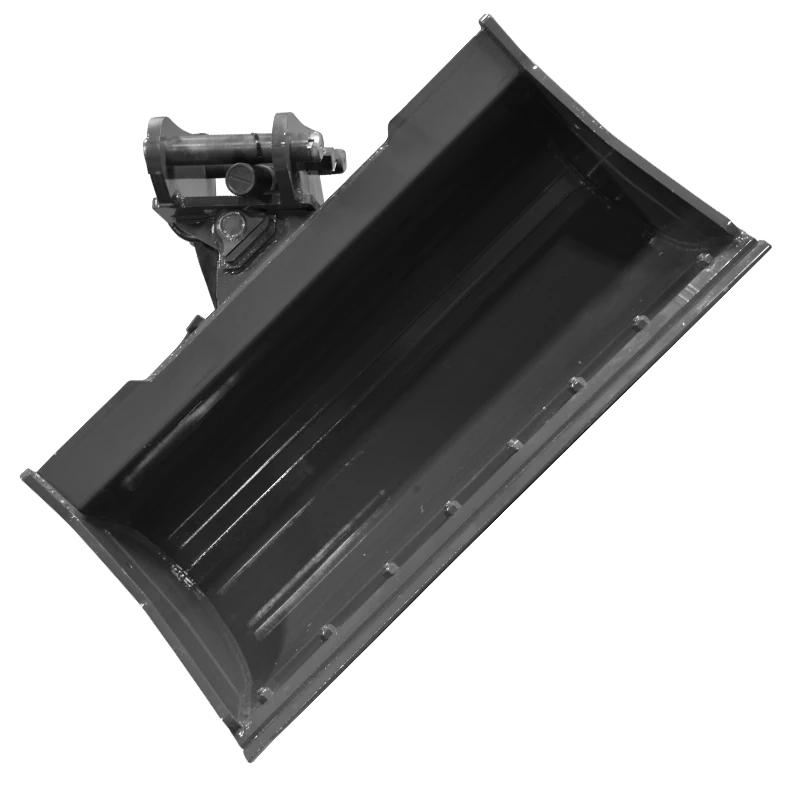
Hydraulic Tilt Ditch Cleaning Bucket
Talk to an Advisor →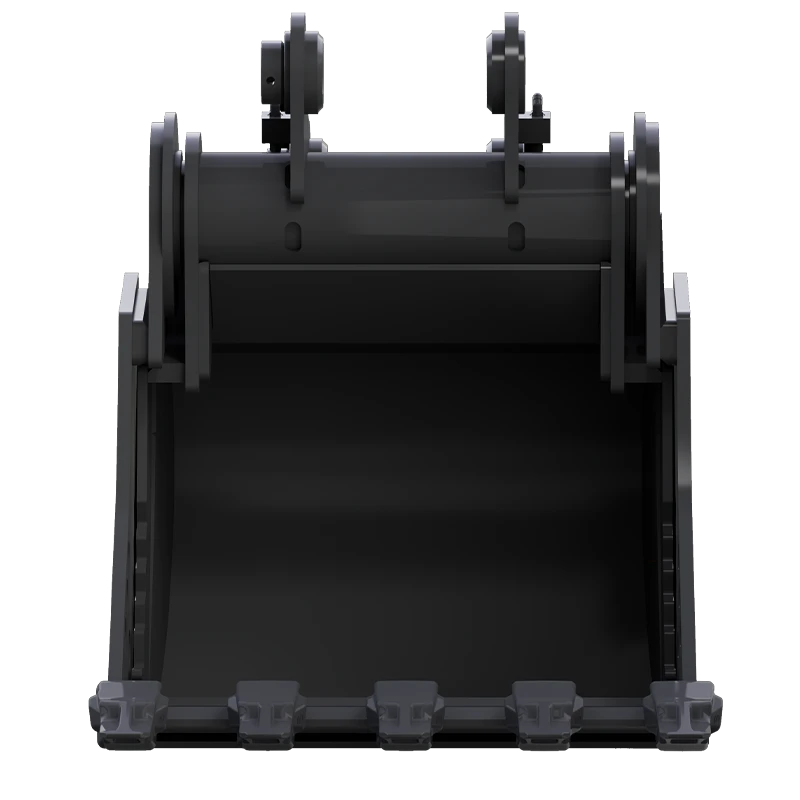
Jawbone Bucket
Talk to an Advisor →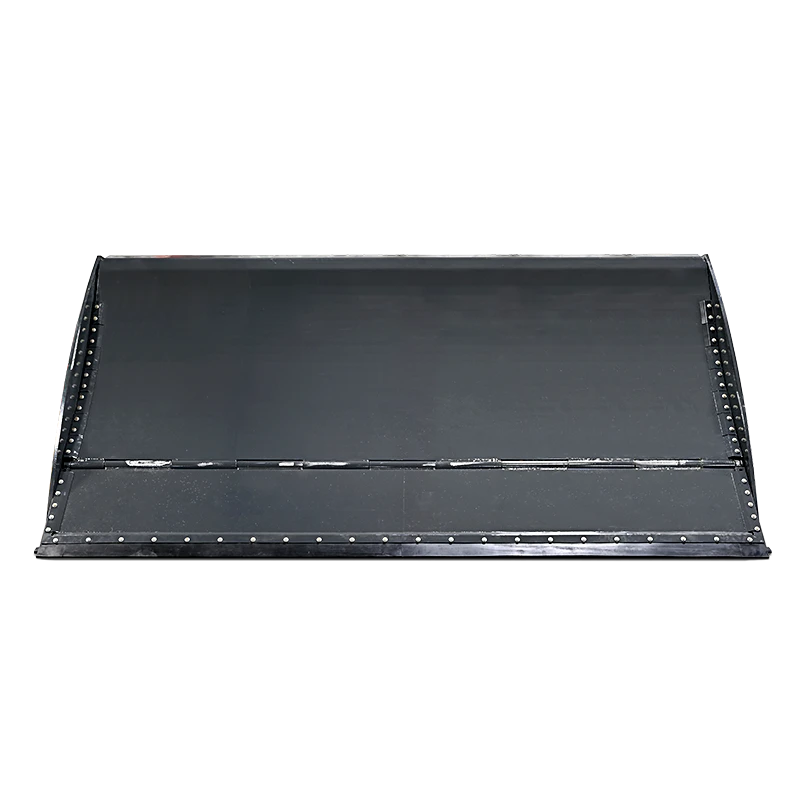
KickBox Ejector Bucket
Talk to an Advisor →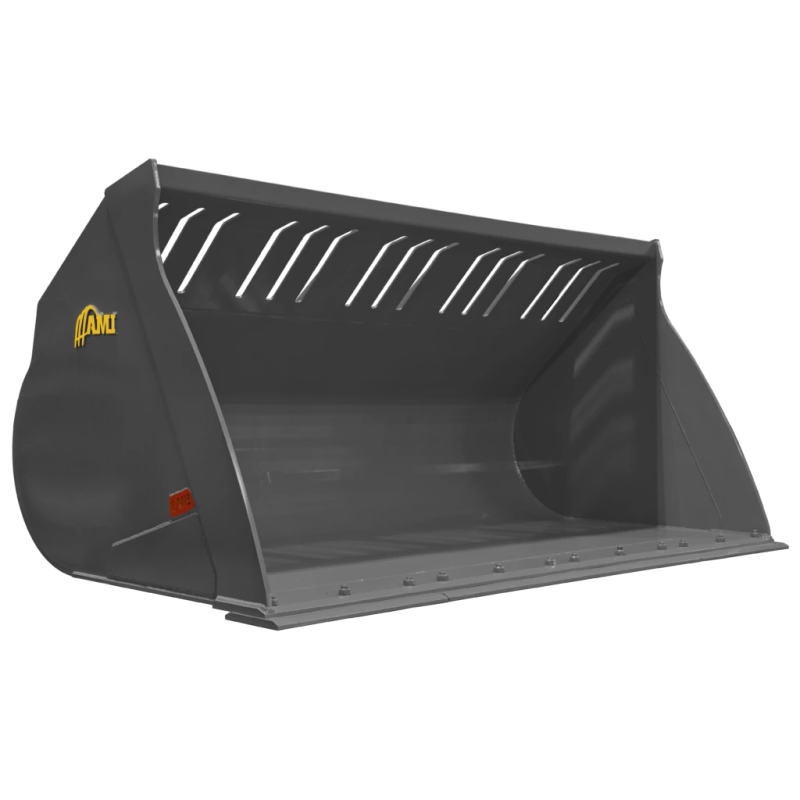
Light Material Bucket
Talk to an Advisor →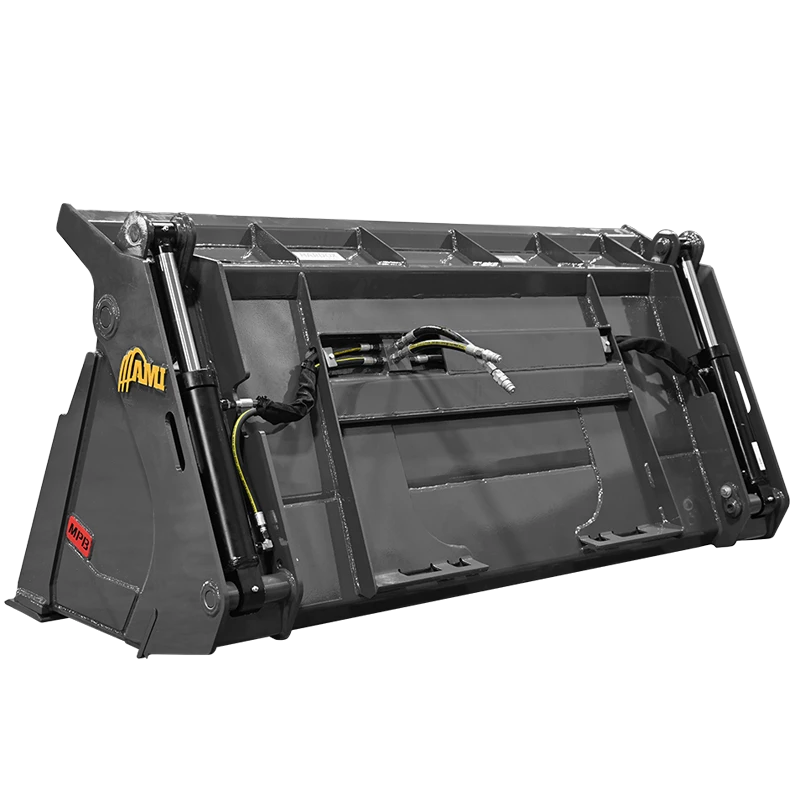
Multi-Purpose 4-in-1 Bucket
Talk to an Advisor →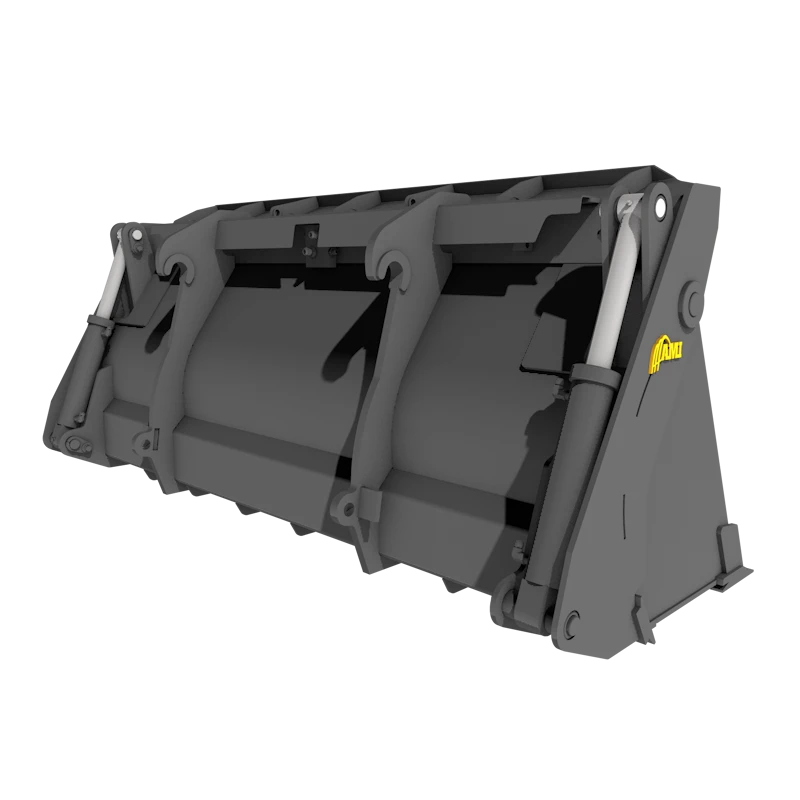
Multi-Purpose Bucket
Talk to an Advisor →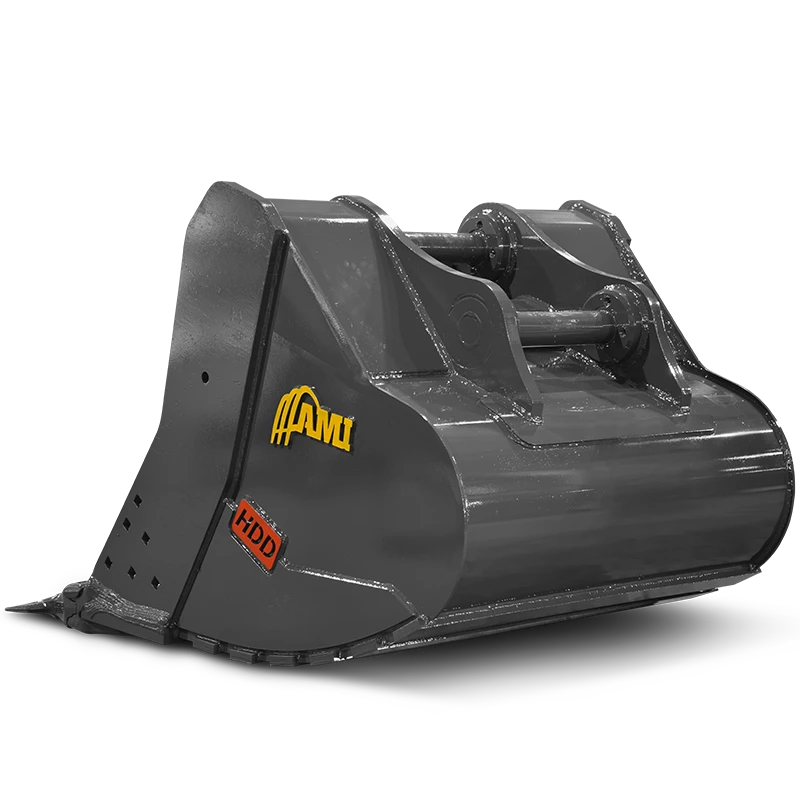
Recessed Lug Heavy Duty Digging Bucket
Talk to an Advisor →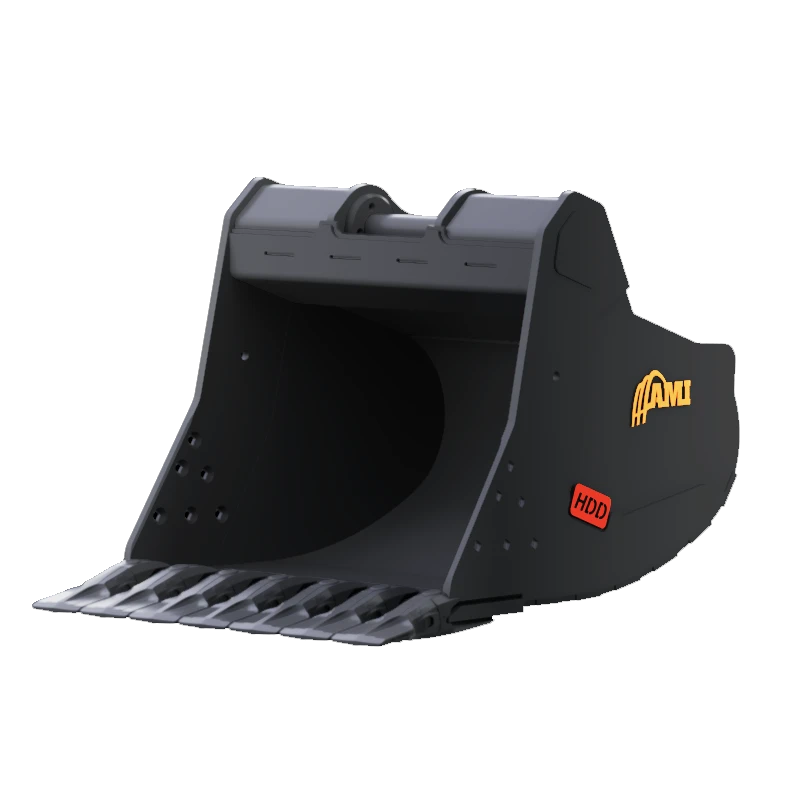
Recessed Lug Heavy Duty Digging Bucket – Spade Tooth
Talk to an Advisor →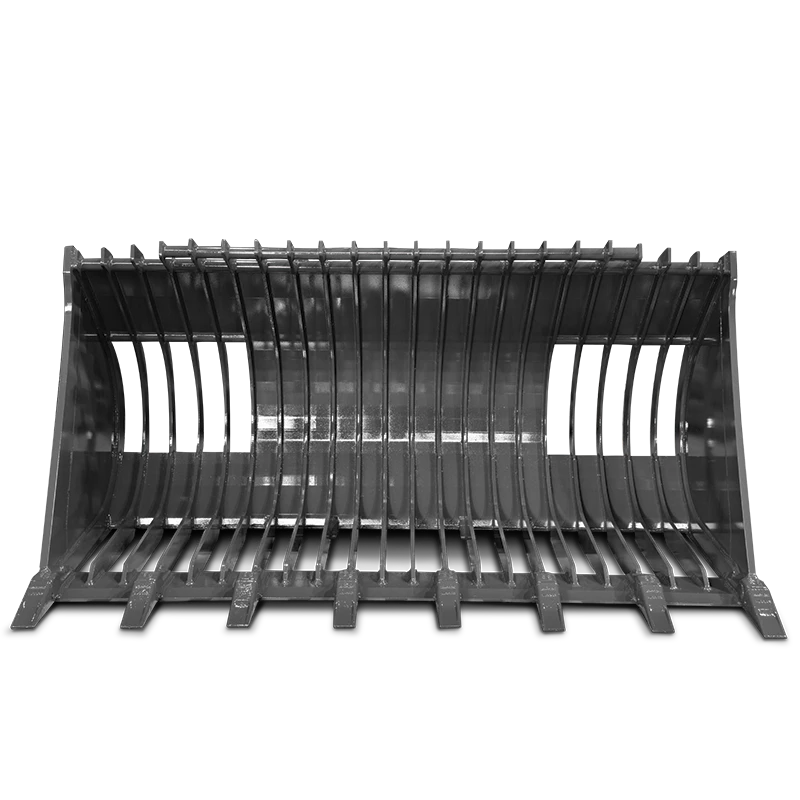
Rock Screening Bucket
Talk to an Advisor →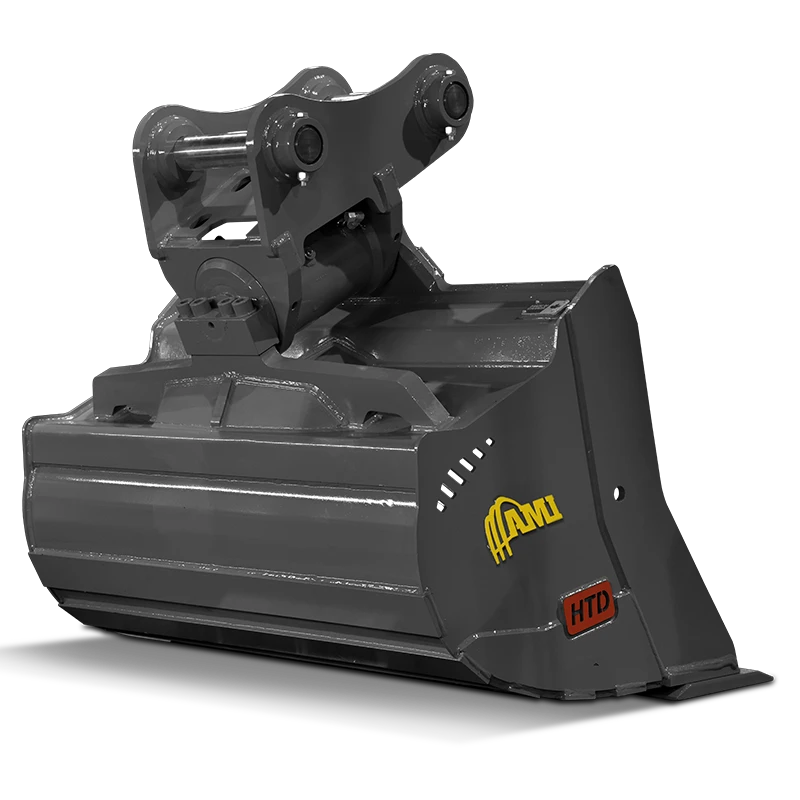
Rotary Tilt Ditch Cleaning Bucket
Talk to an Advisor →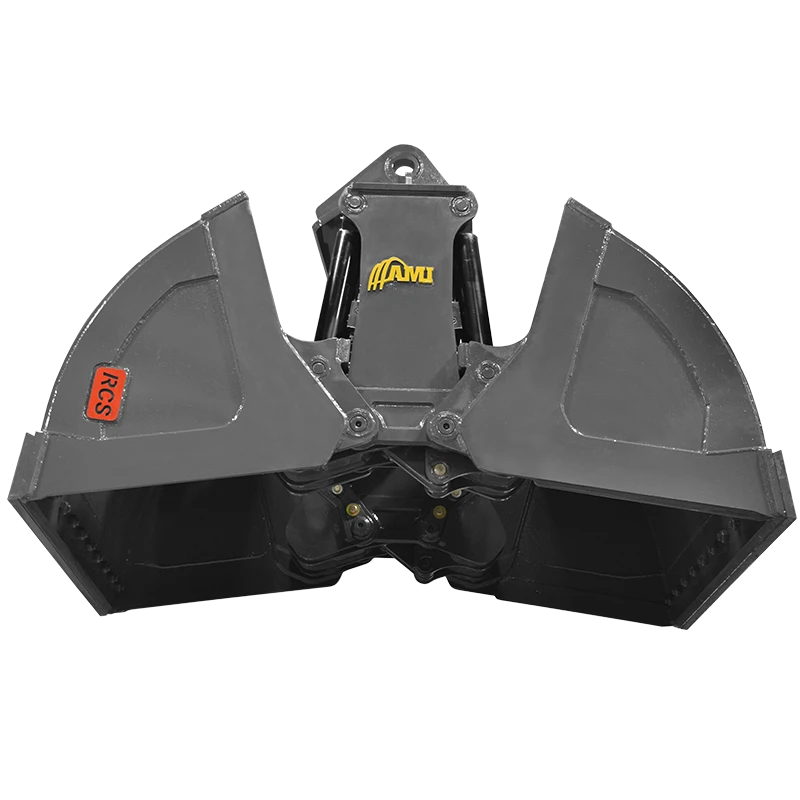
Rotating Clam Shell Bucket
Talk to an Advisor →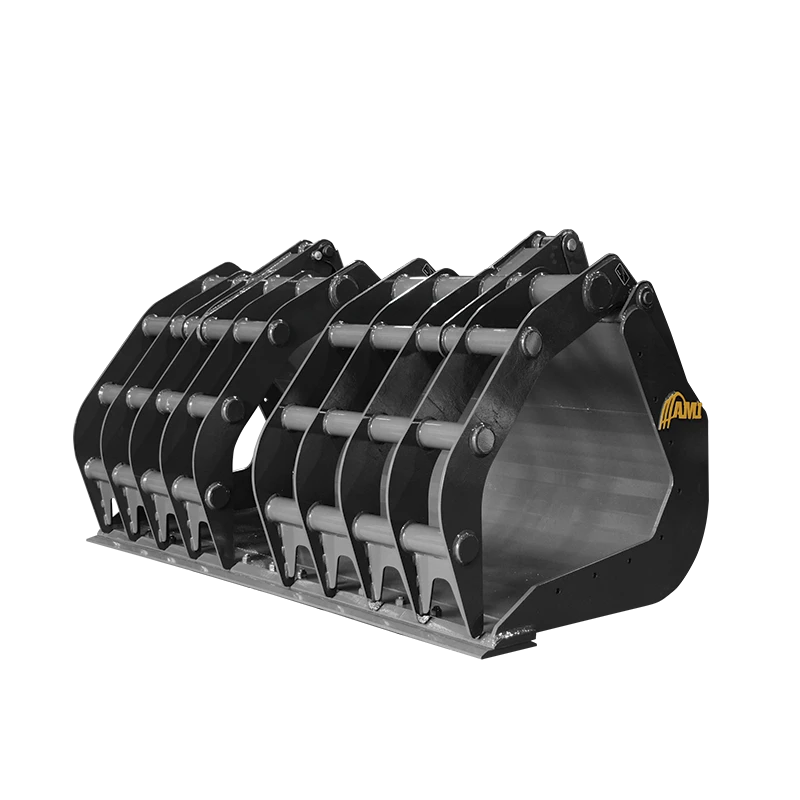
Scrap Grapple Bucket
Talk to an Advisor →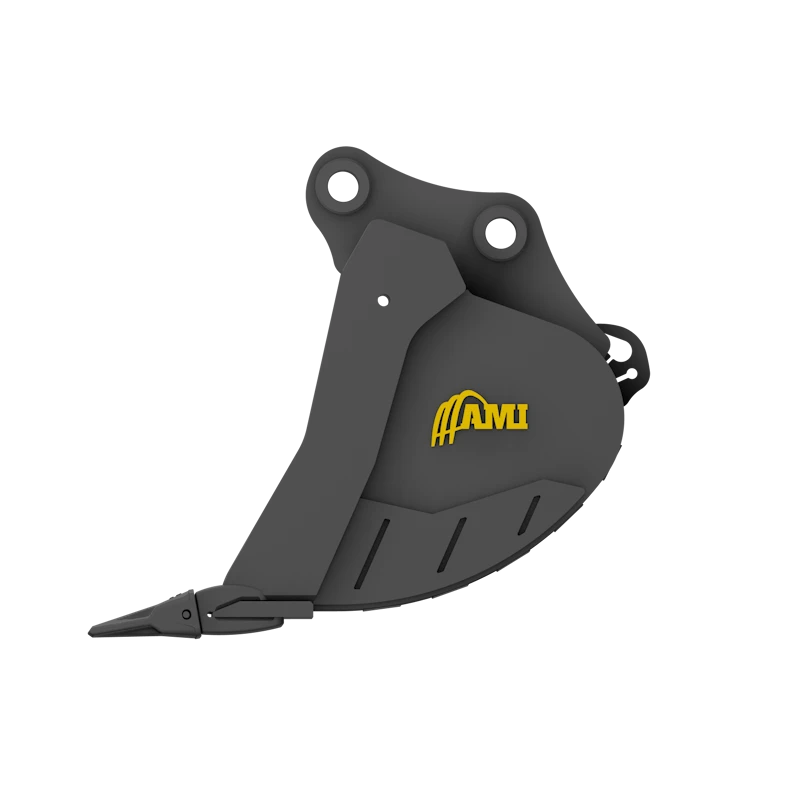
Severe Duty Bucket
Talk to an Advisor →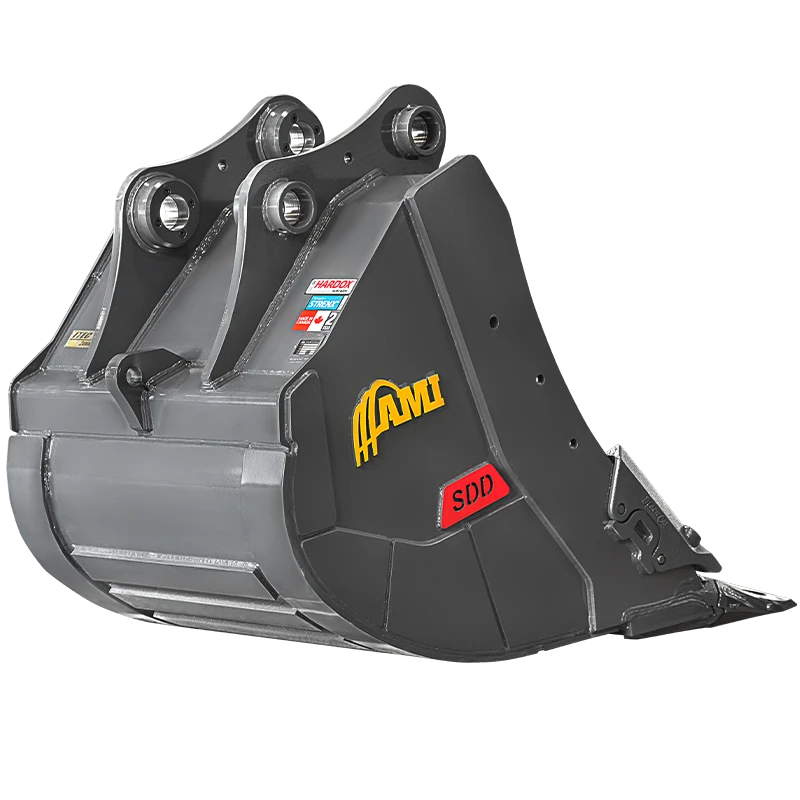
Severe Duty Digging Bucket
Talk to an Advisor →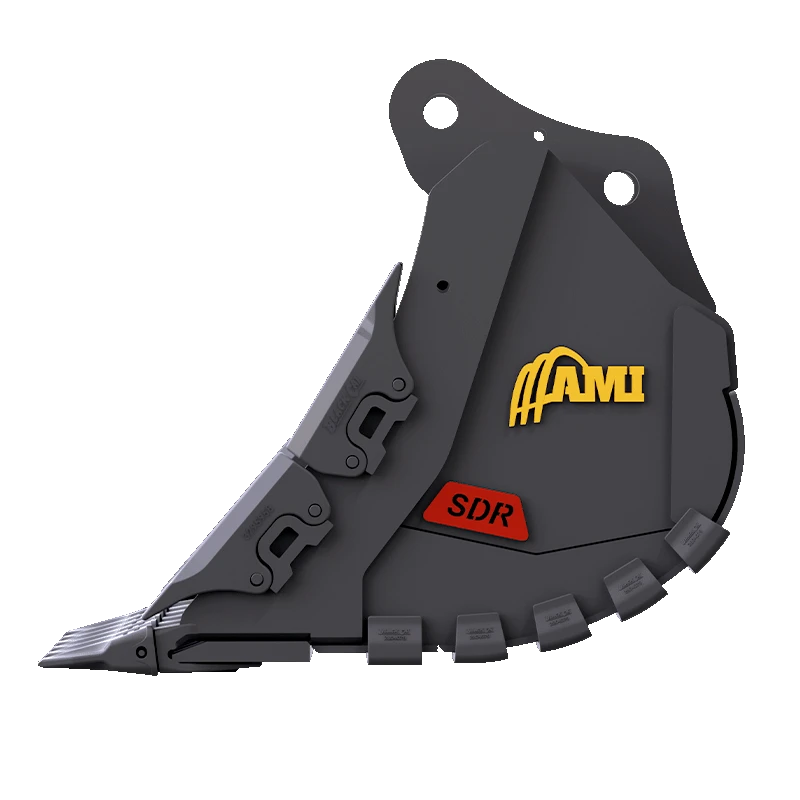
Severe Duty Rock Bucket
Talk to an Advisor →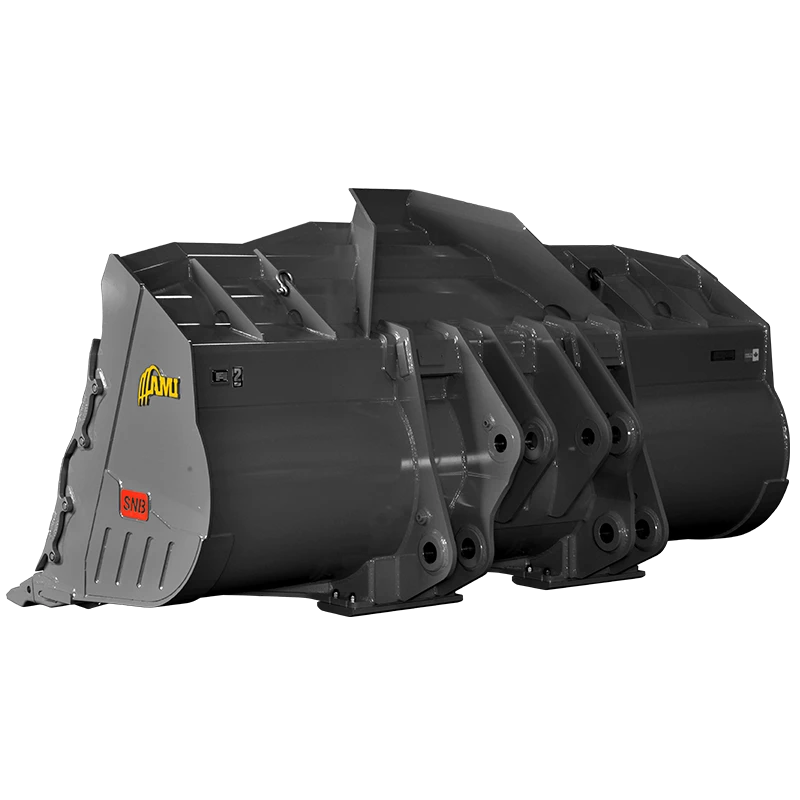
Severe Duty Spade Nose Rock Bucket
Talk to an Advisor →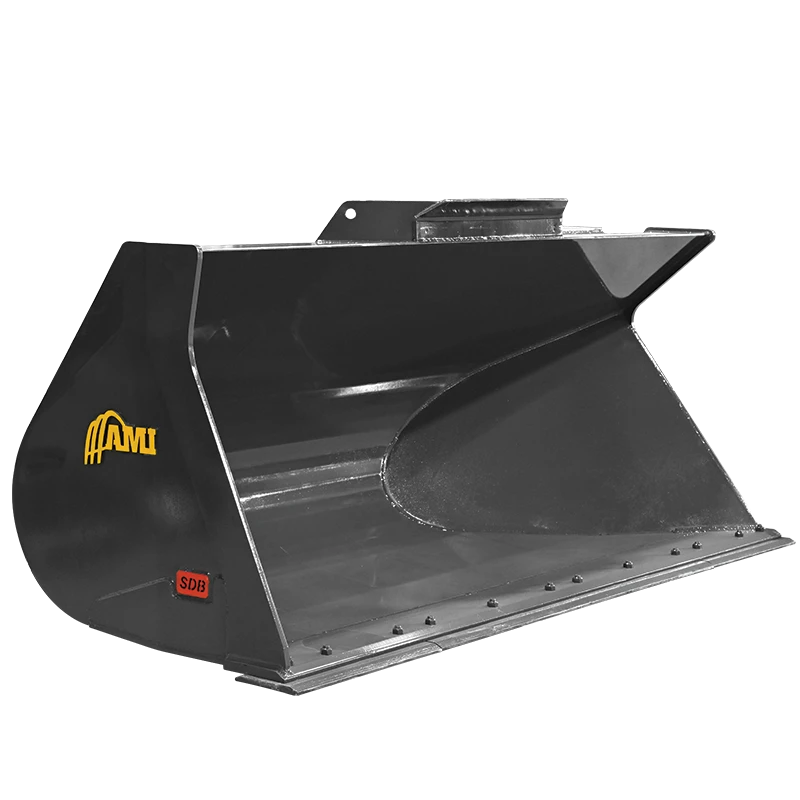
Side Dump Bucket
Talk to an Advisor →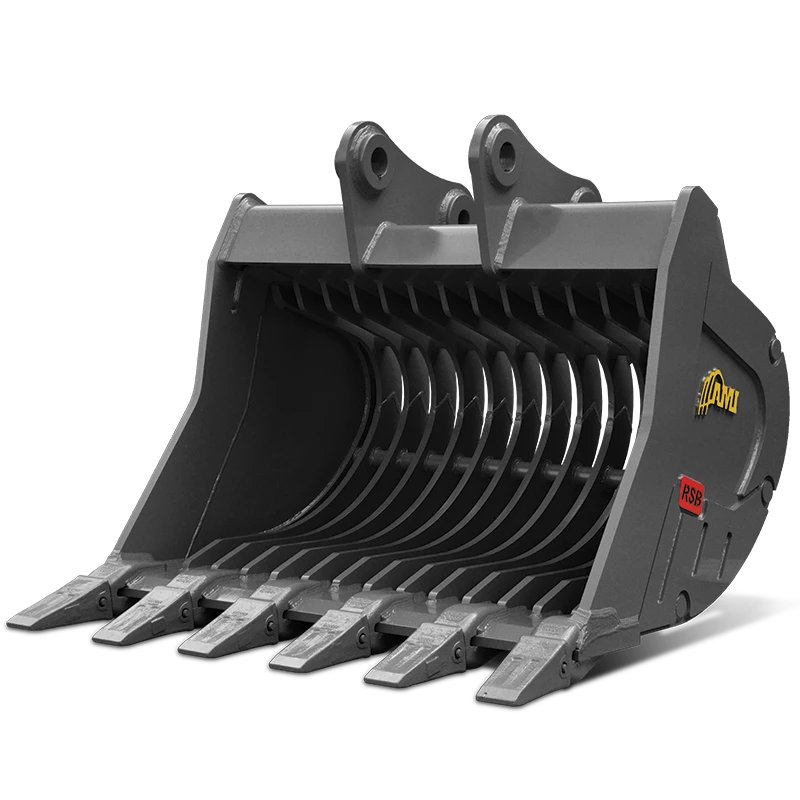
Skeleton Bucket
Talk to an Advisor →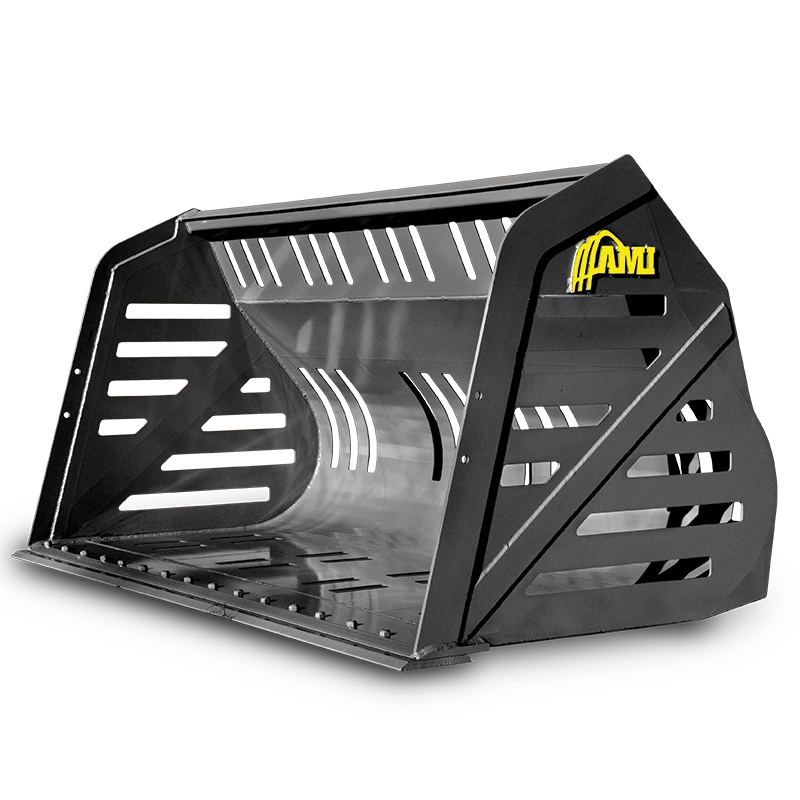
Snow Basket
Talk to an Advisor →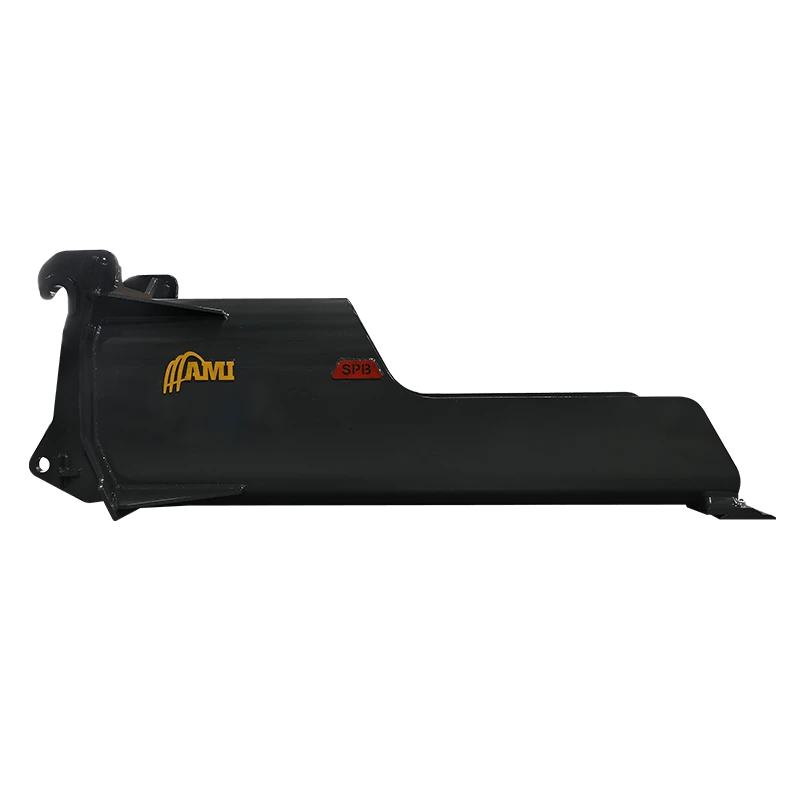
Spoon Bucket
Talk to an Advisor →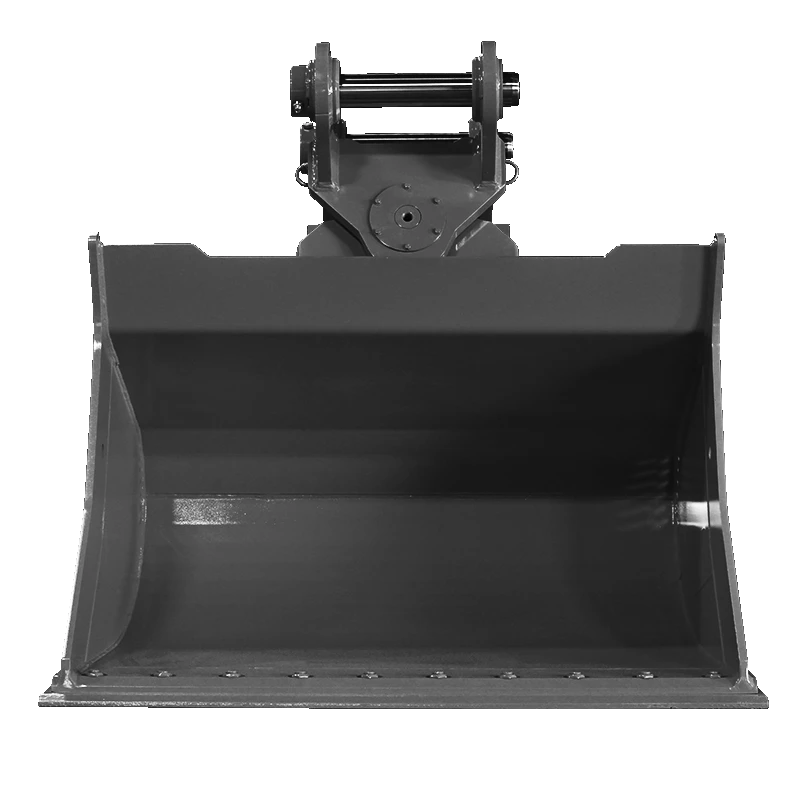
Tilt Bucket Powered by RAMCAM®
Talk to an Advisor →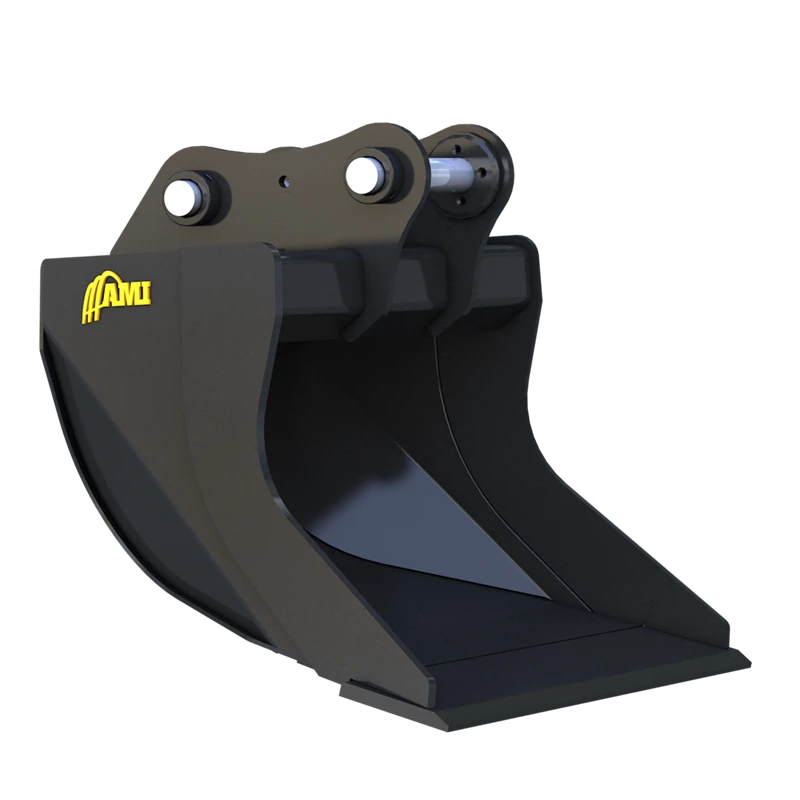
Tiltrotator Style Ditch Bucket
Talk to an Advisor →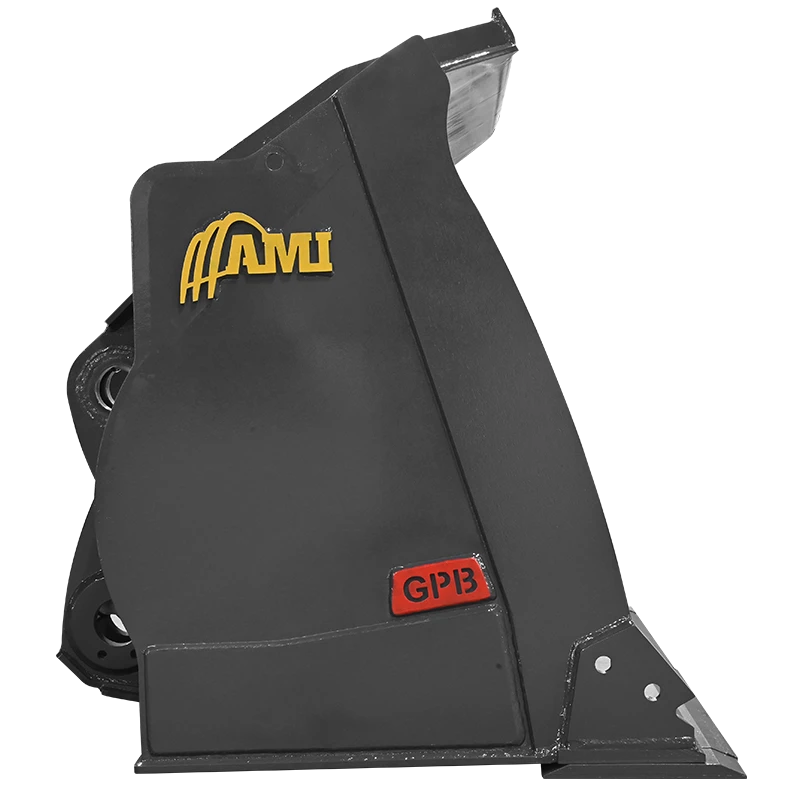
Track Loader Heavy Duty General Purpose Bucket
Talk to an Advisor →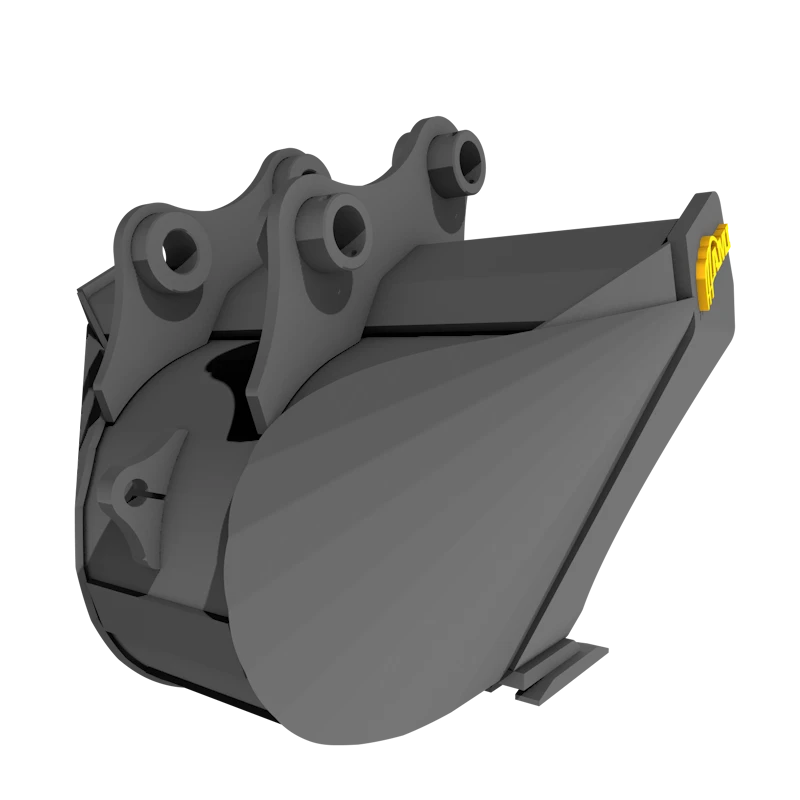
Trapezoid Bucket
Talk to an Advisor →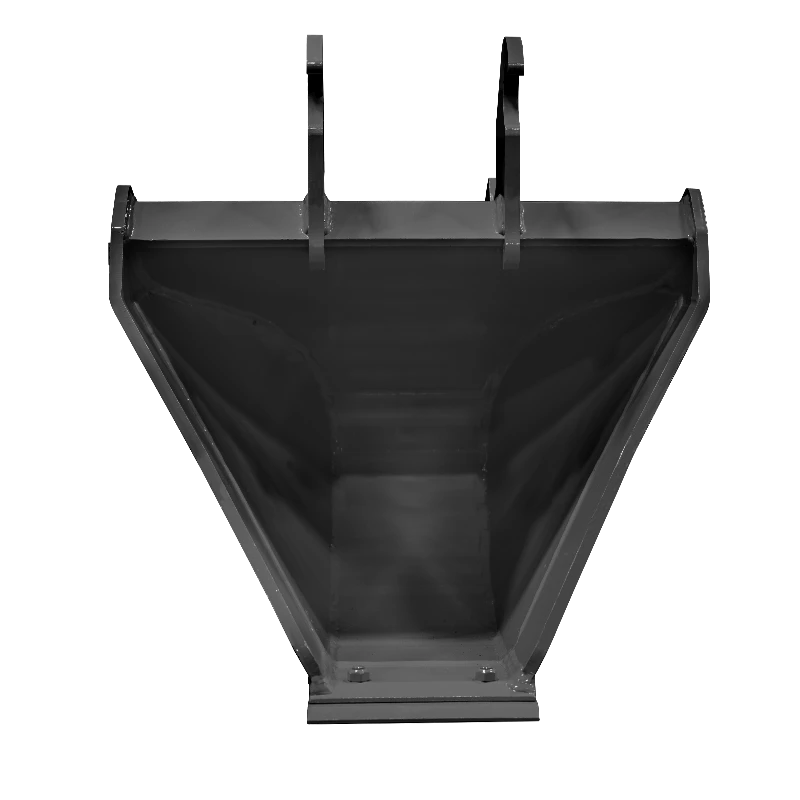
Trapezoid Bucket – BOE
Talk to an Advisor →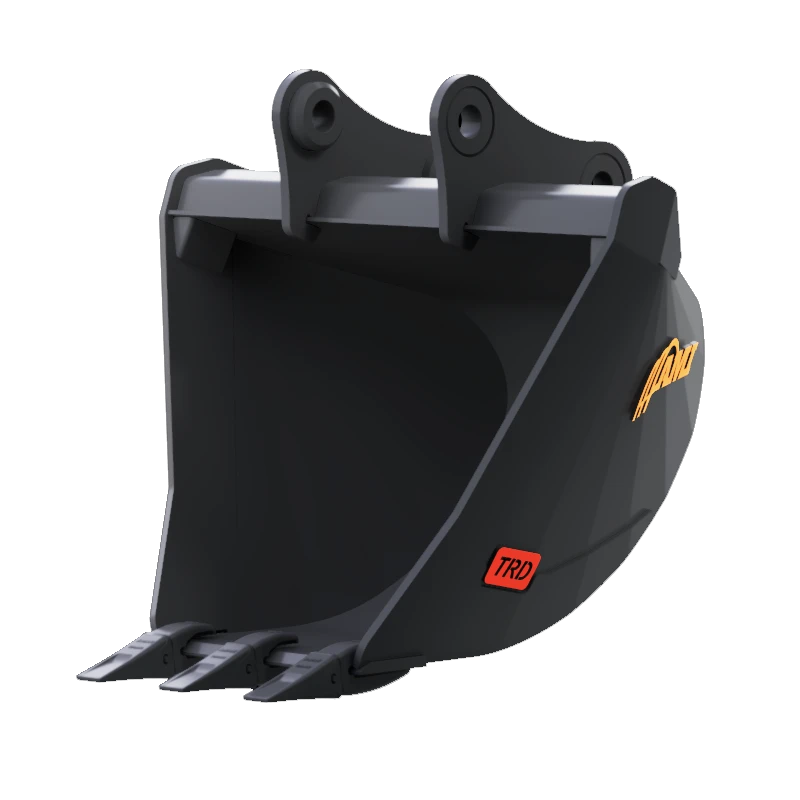
Trapezoid Bucket – Teeth
Talk to an Advisor →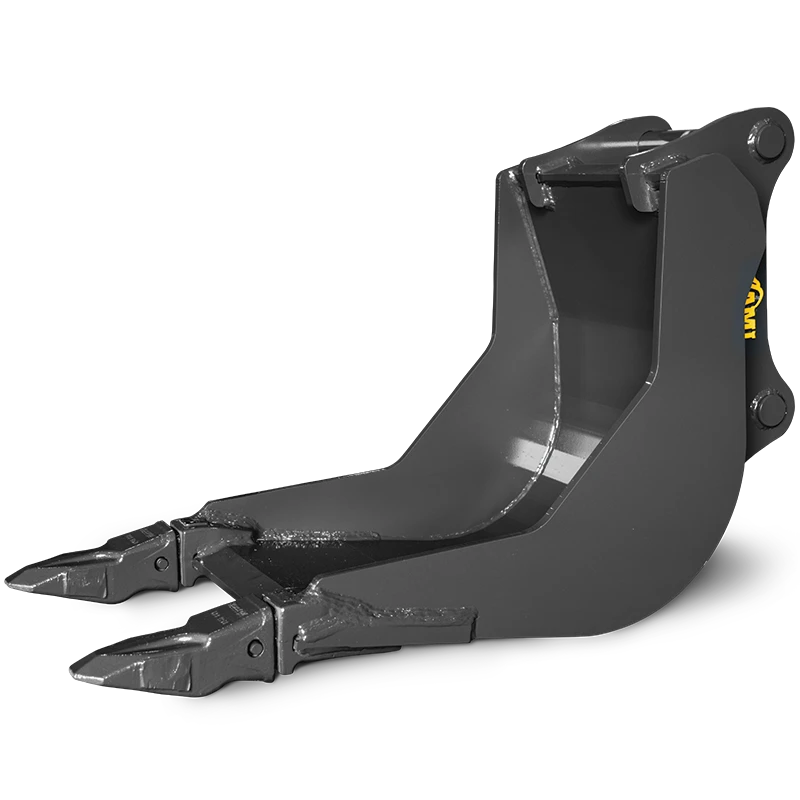
Tunnelling Bucket
Talk to an Advisor →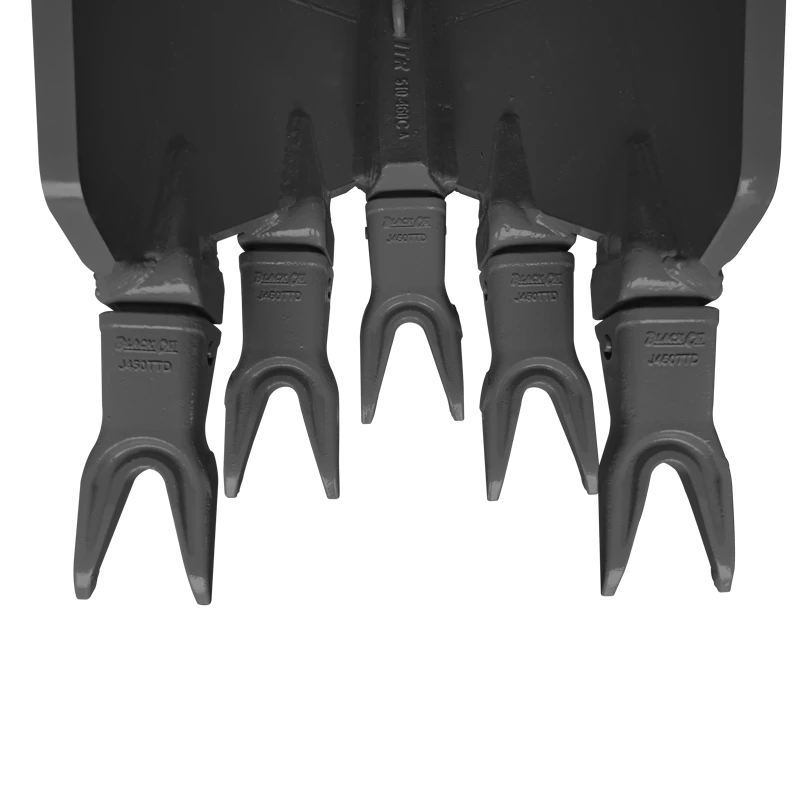
V-Bottom Bucket
Talk to an Advisor →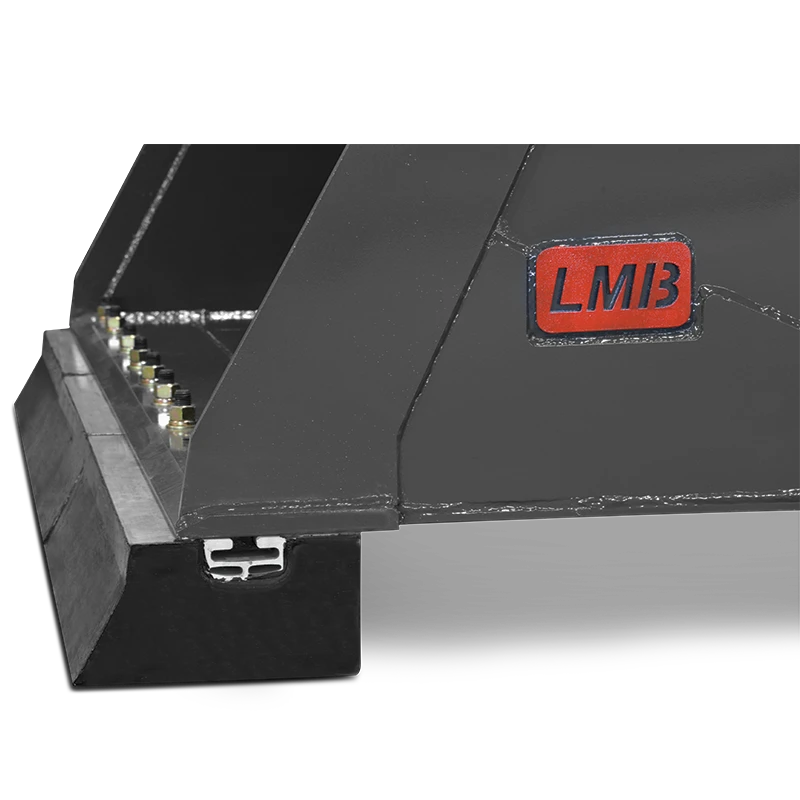
Waste Handling Bucket
Talk to an Advisor →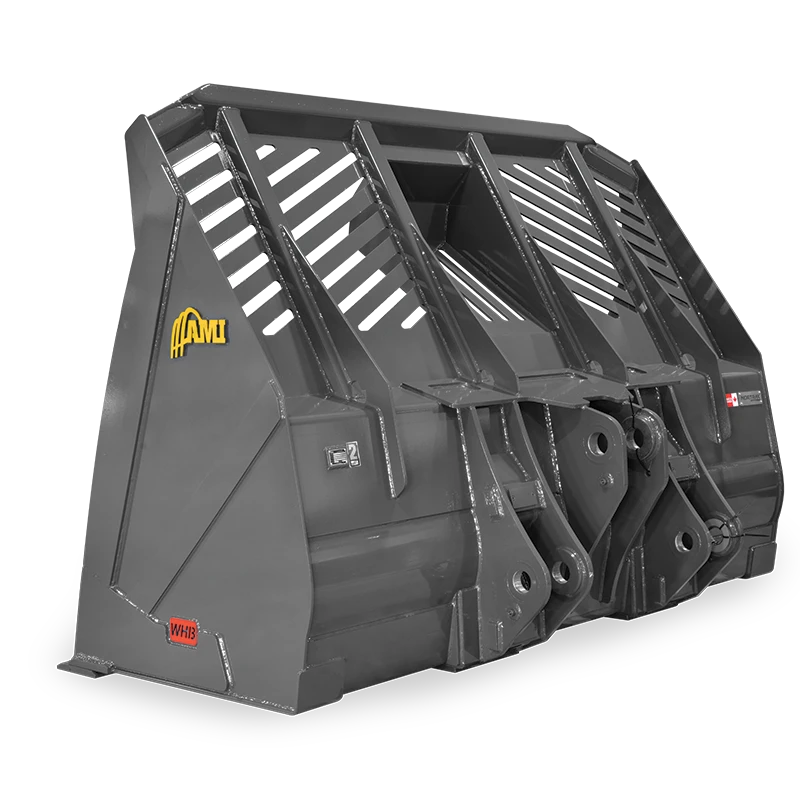
Waste Piling Bucket
Talk to an Advisor →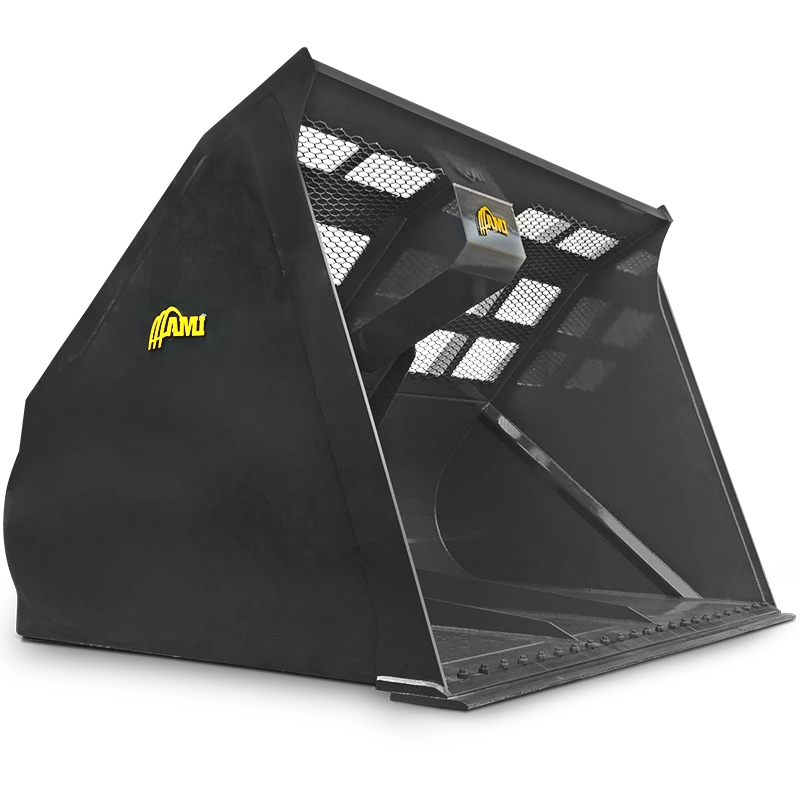
Wood Chip Bucket
Talk to an Advisor →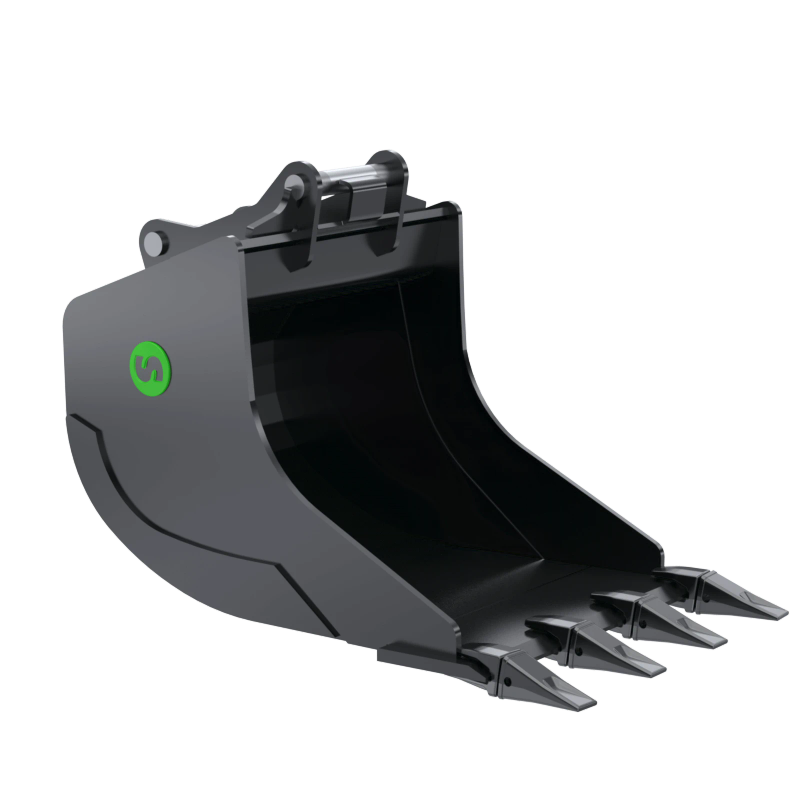
Digging Buckets
Talk to an Advisor →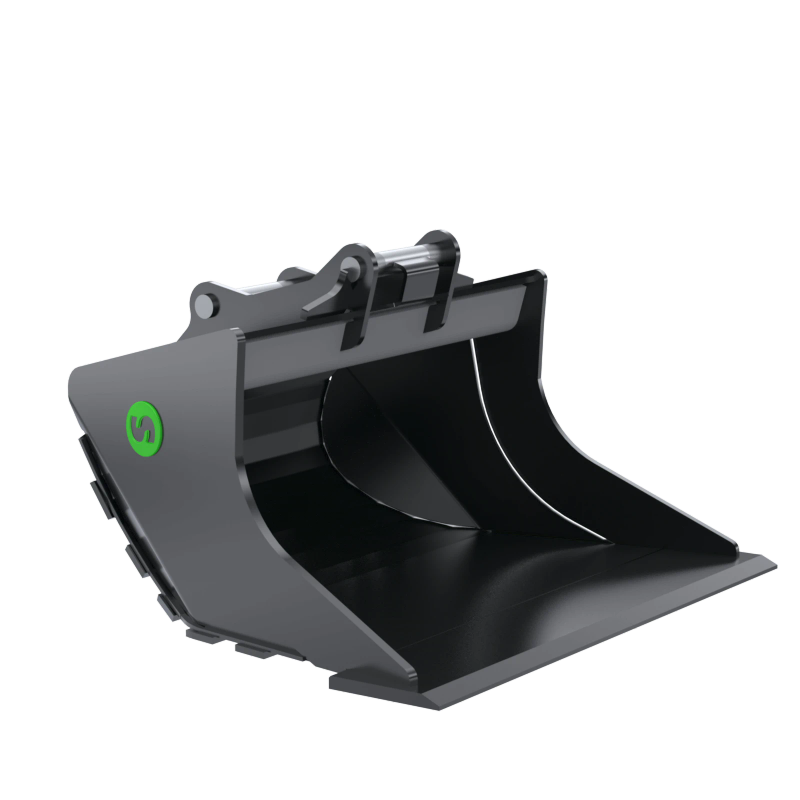
Grading Buckets
Talk to an Advisor →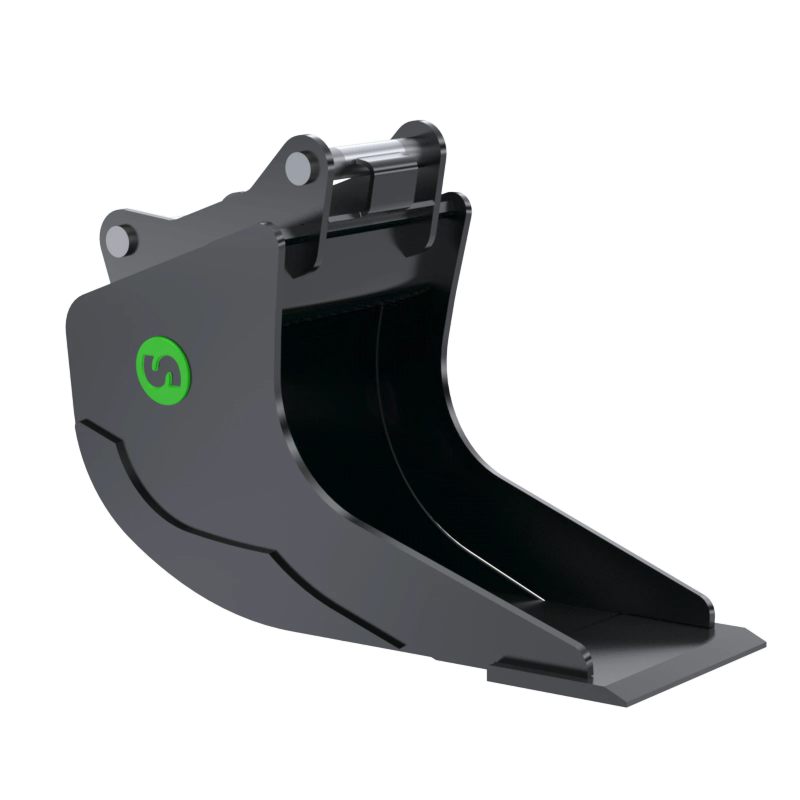
Cable Buckets
Talk to an Advisor →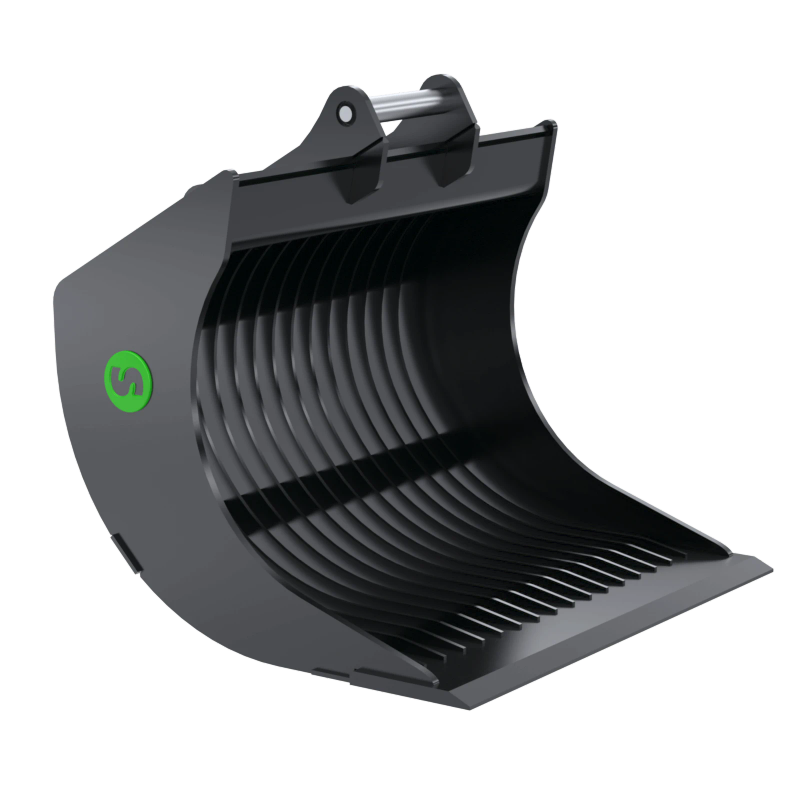
Skeleton Buckets
Talk to an Advisor →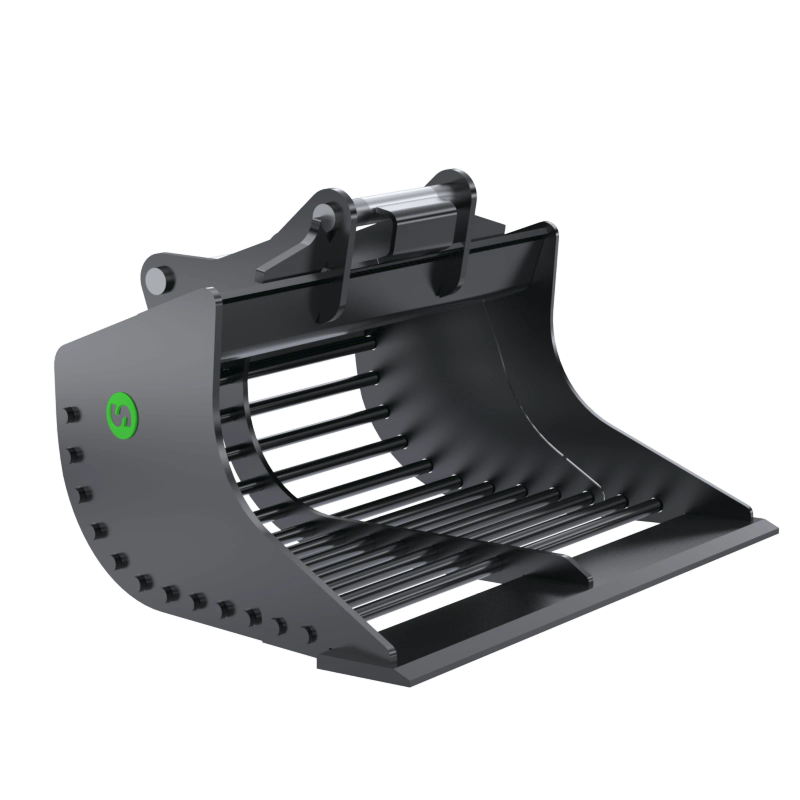
Sorting Buckets
Talk to an Advisor →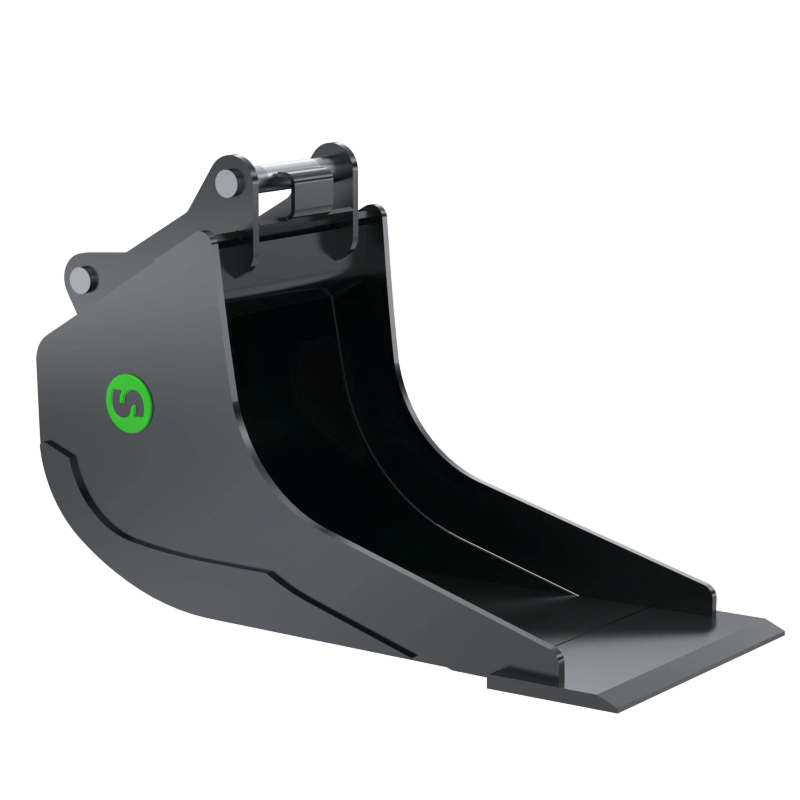
Utility Buckets
Talk to an Advisor →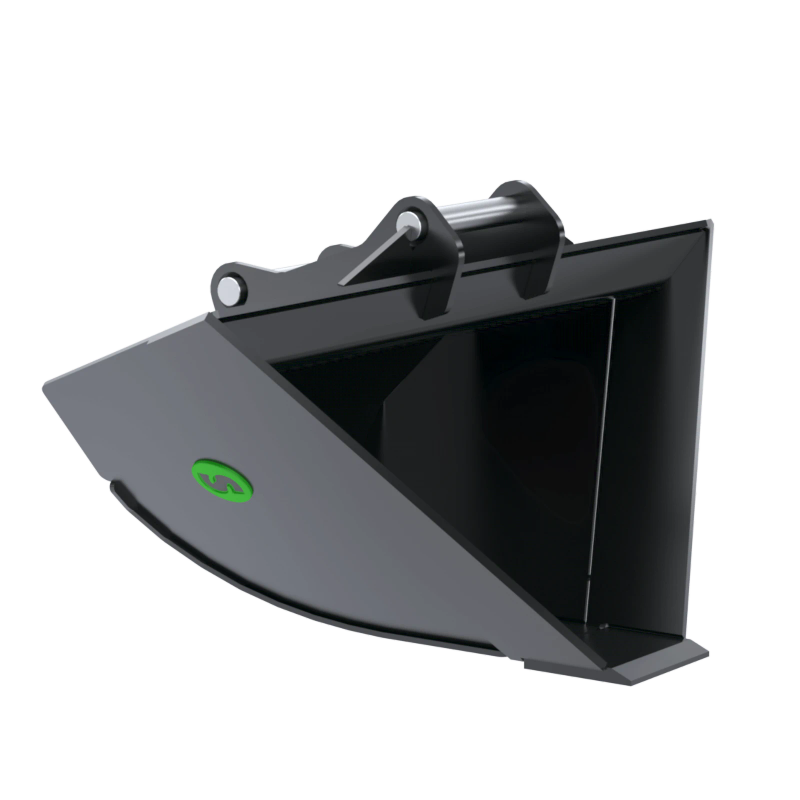
V-ditch Buckets
Talk to an Advisor →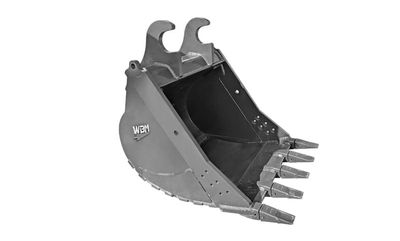
Heavy Duty Excavator Bucket
Talk to an Advisor →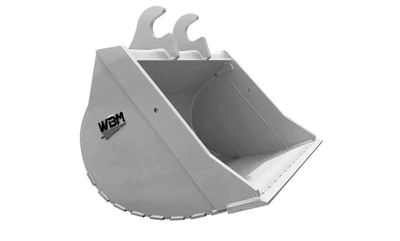
Excavator Cleanup Bucket
Talk to an Advisor →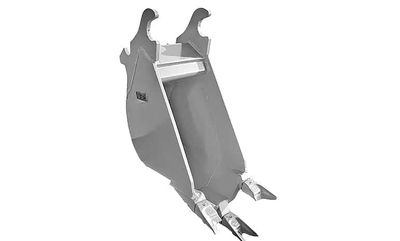
Excavator Frost Bucket
Talk to an Advisor →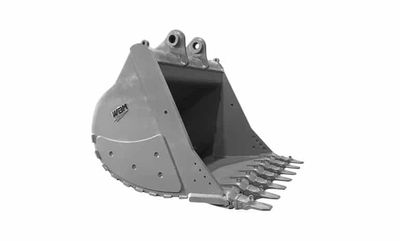
EX Muskeg Bucket
Talk to an Advisor →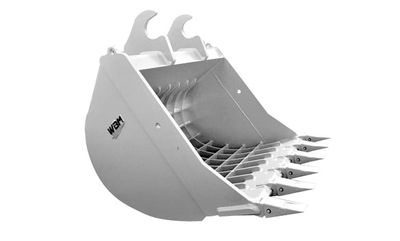
Excavator Skeleton Bucket
Talk to an Advisor →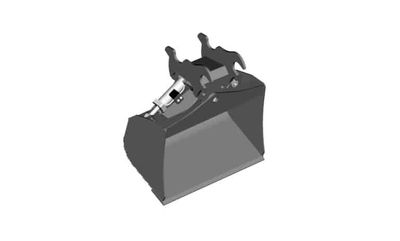
Excavator Twist Bucket
Talk to an Advisor →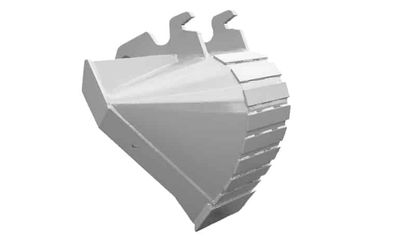
V Bucket For Excavator - Ditching "V" Bucket
Talk to an Advisor →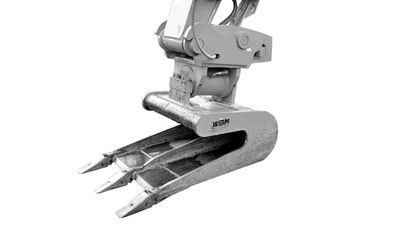
EX Concrete Removal Bucket
Talk to an Advisor →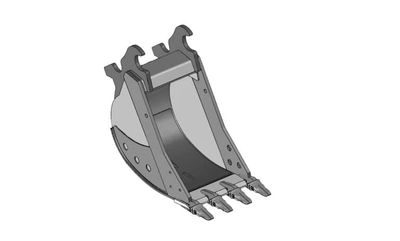
EX Extreme Service Bucket
Talk to an Advisor →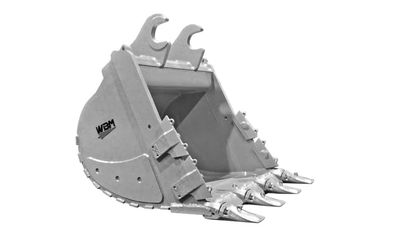
EX Extreme Service Rock (Road Builder) Bucket
Talk to an Advisor →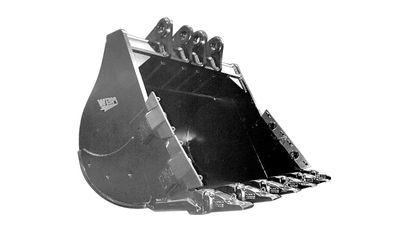
EX HEXtreme Bucket
Talk to an Advisor →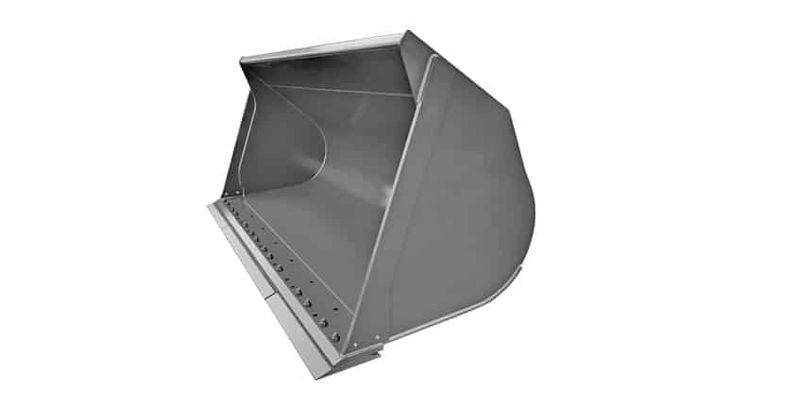
WL General Purpose Bucket
Talk to an Advisor →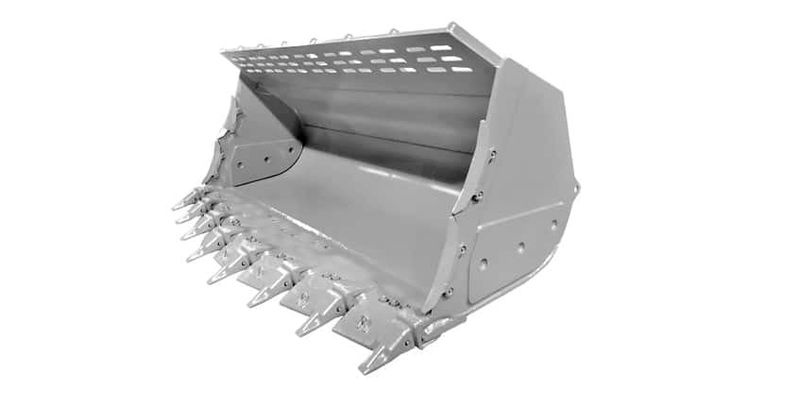
WL Rock Bucket
Talk to an Advisor →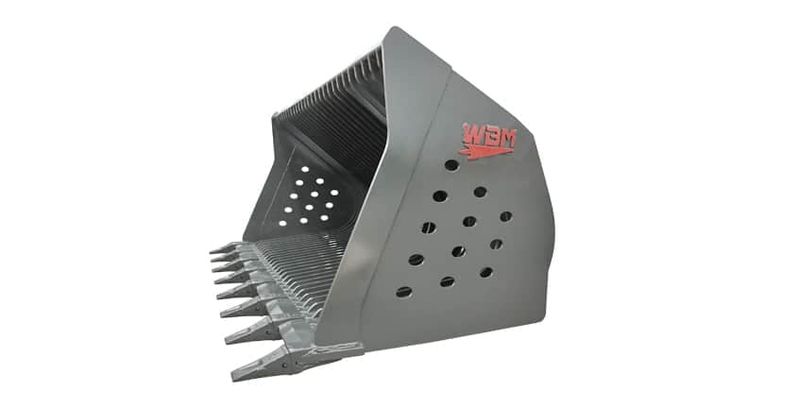
WL Rock Tine Bucket
Talk to an Advisor →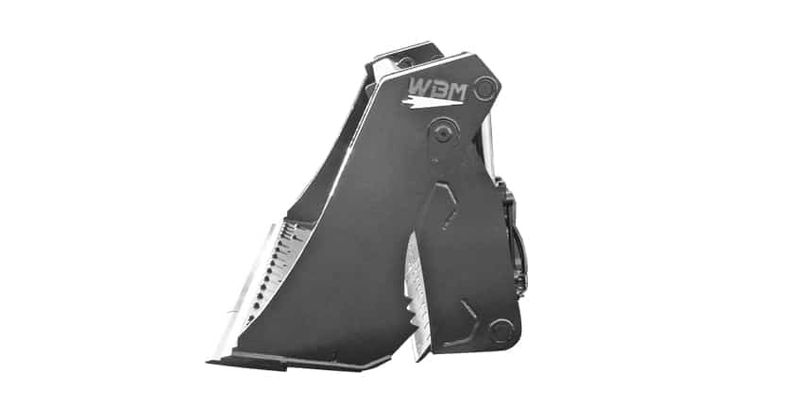
WL Multi-Purpose Bucket
Talk to an Advisor →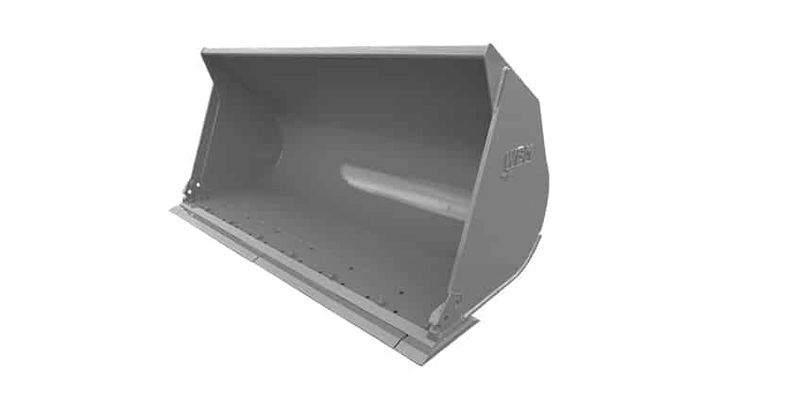
WL Light Material/Snow Bucket
Talk to an Advisor →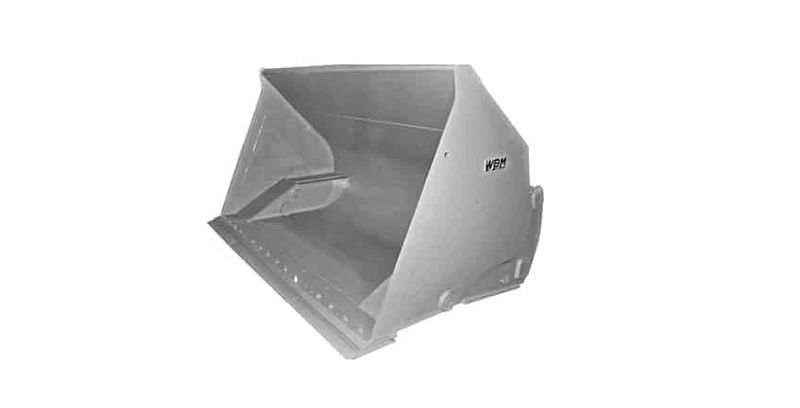
WL Roll Out Bucket
Talk to an Advisor →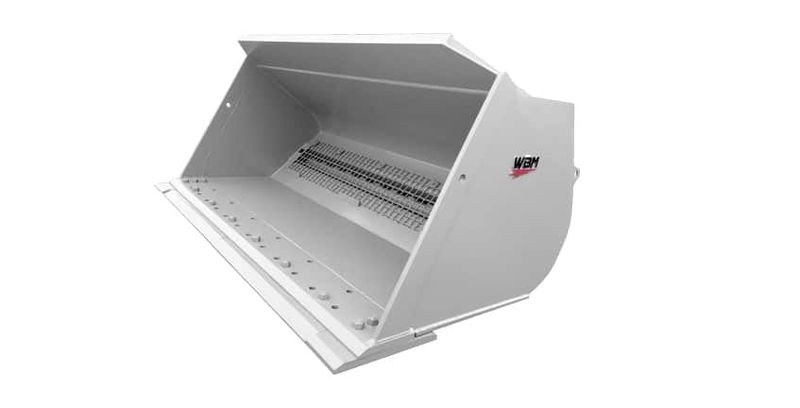
WL Spreader Bucket
Talk to an Advisor →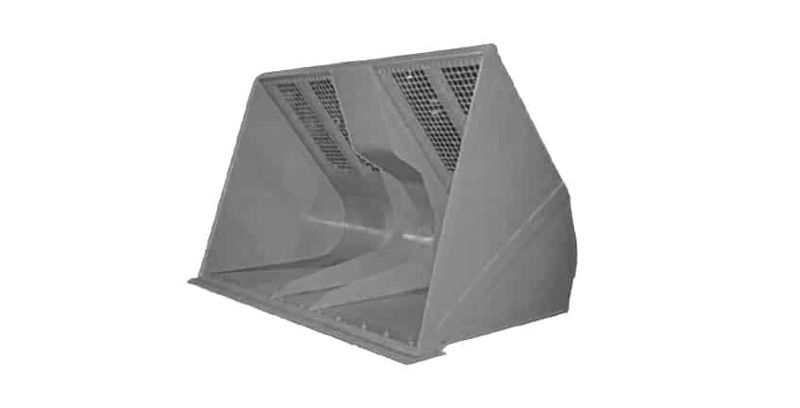
WL Woodchip Bucket
Talk to an Advisor →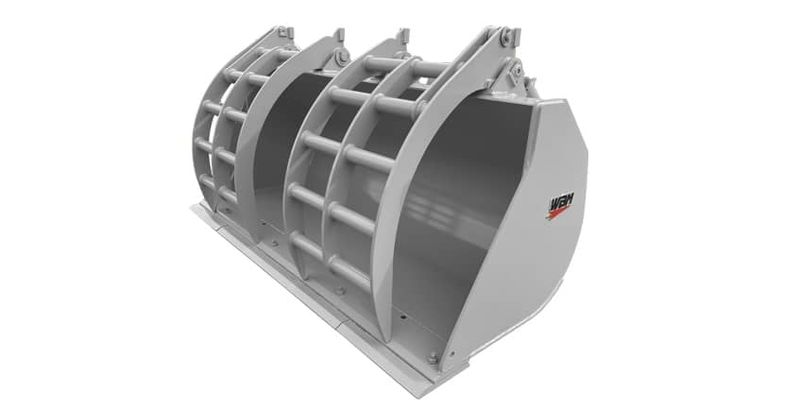
WL Waste Handling Bucket
Talk to an Advisor →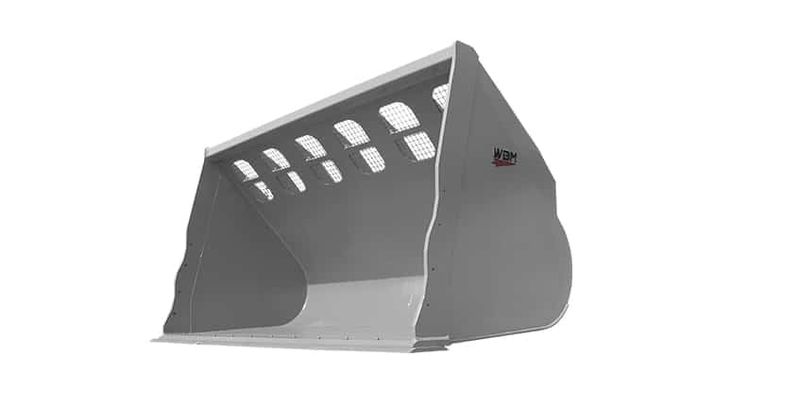
WL Coal Bucket (Stockpiling)
Talk to an Advisor →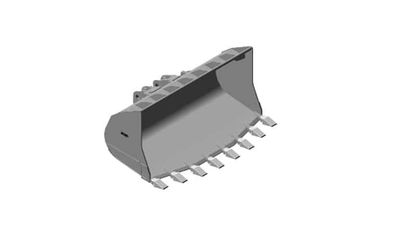
WL Coal Seam Bucket
Talk to an Advisor →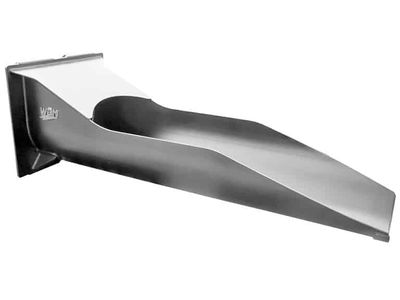
WL Gravel Spoon
Talk to an Advisor →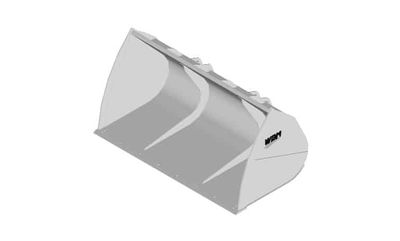
WL Fertilizer Bucket
Talk to an Advisor →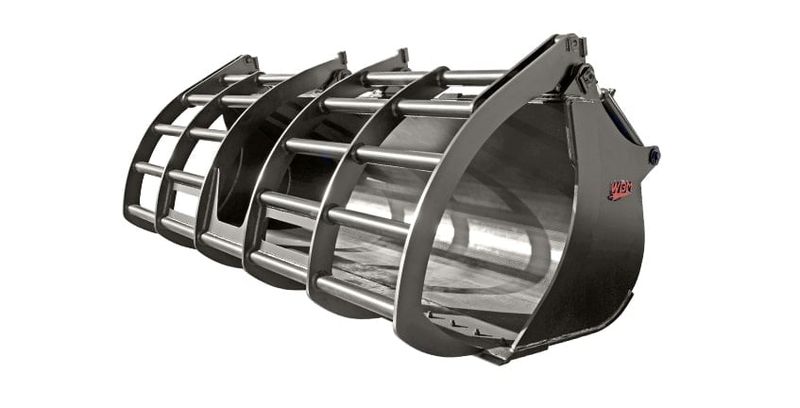
WL Feedlot Bucket
Talk to an Advisor →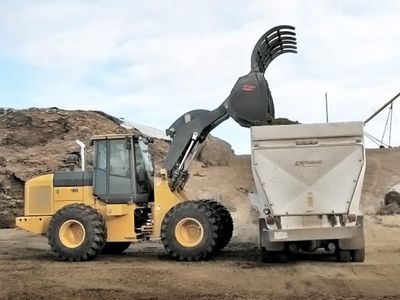
WL Corral Bucket
Talk to an Advisor →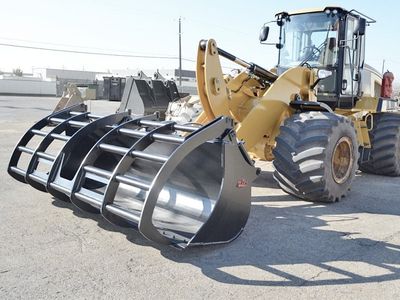
WL Bale/Silage Bucket
Talk to an Advisor →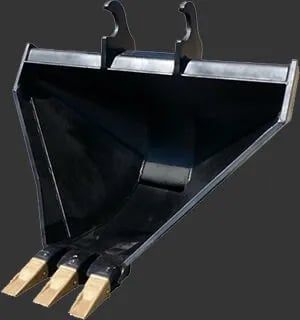
V Bucket
Talk to an Advisor →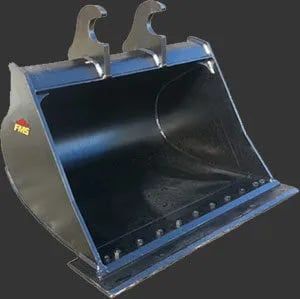
Clean-Up Bucket
Talk to an Advisor →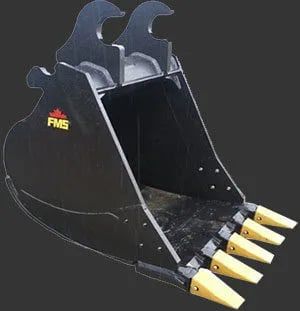
Digging Bucket
Talk to an Advisor →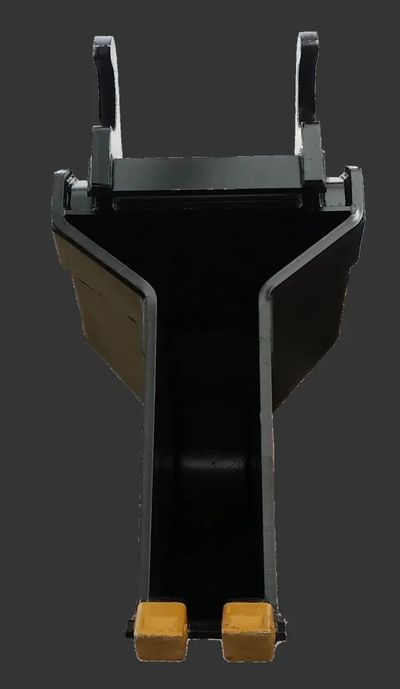
Trenching Bucket
Talk to an Advisor →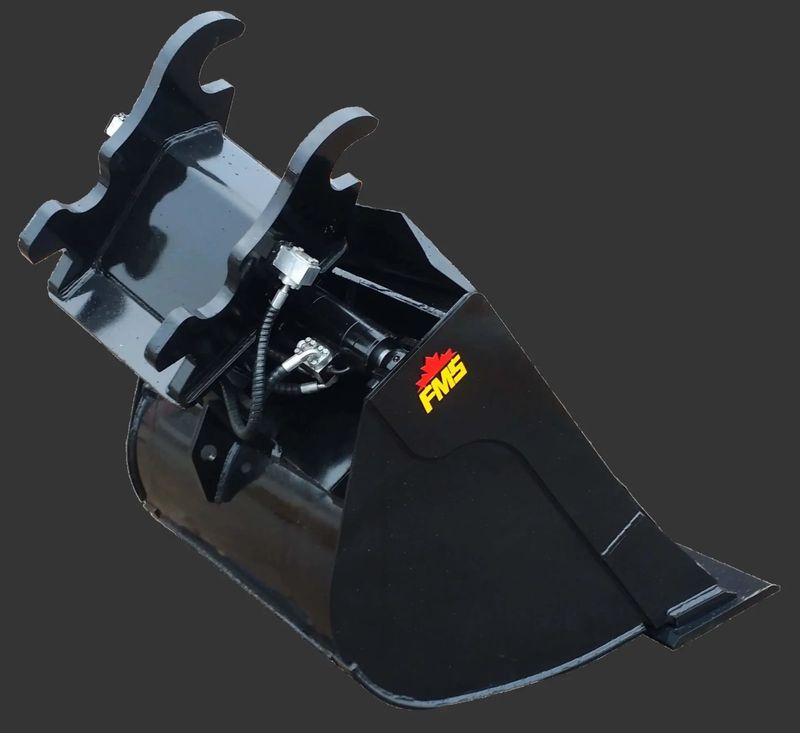
Twist Bucket
Talk to an Advisor →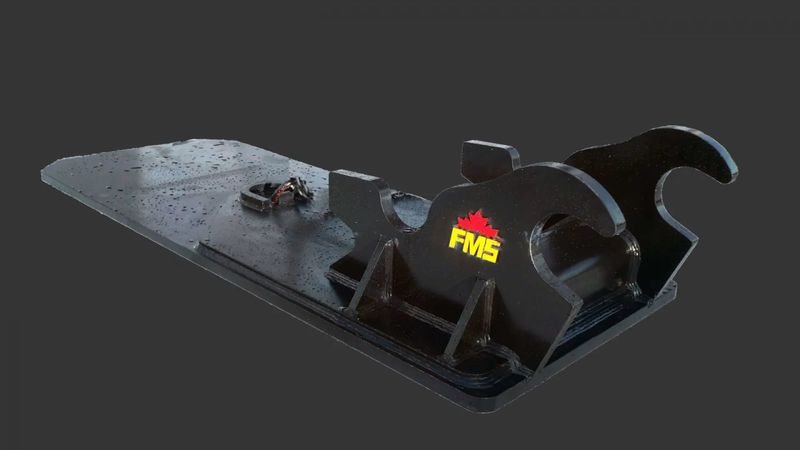
Excavator Spoons
Talk to an Advisor →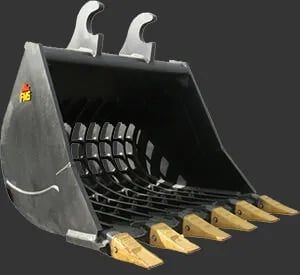
Skeleton Bucket
Talk to an Advisor →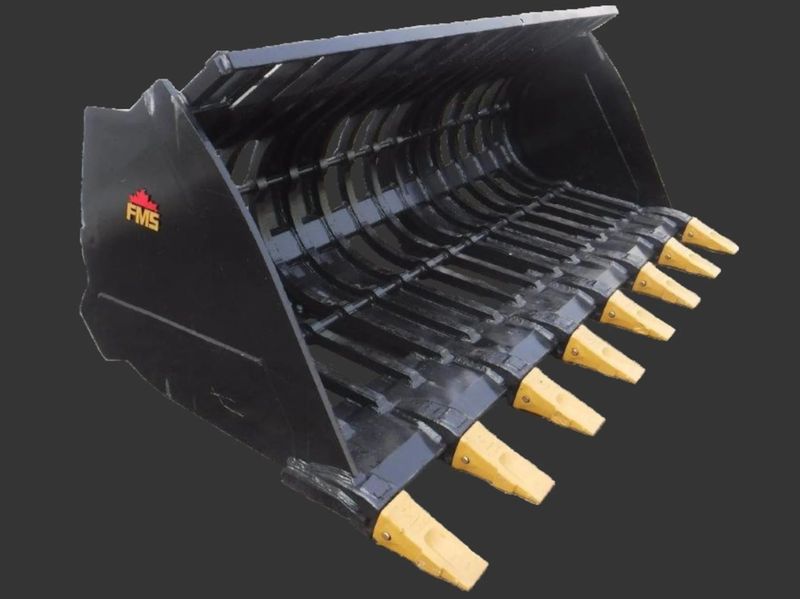
Skeleton Bucket
Talk to an Advisor →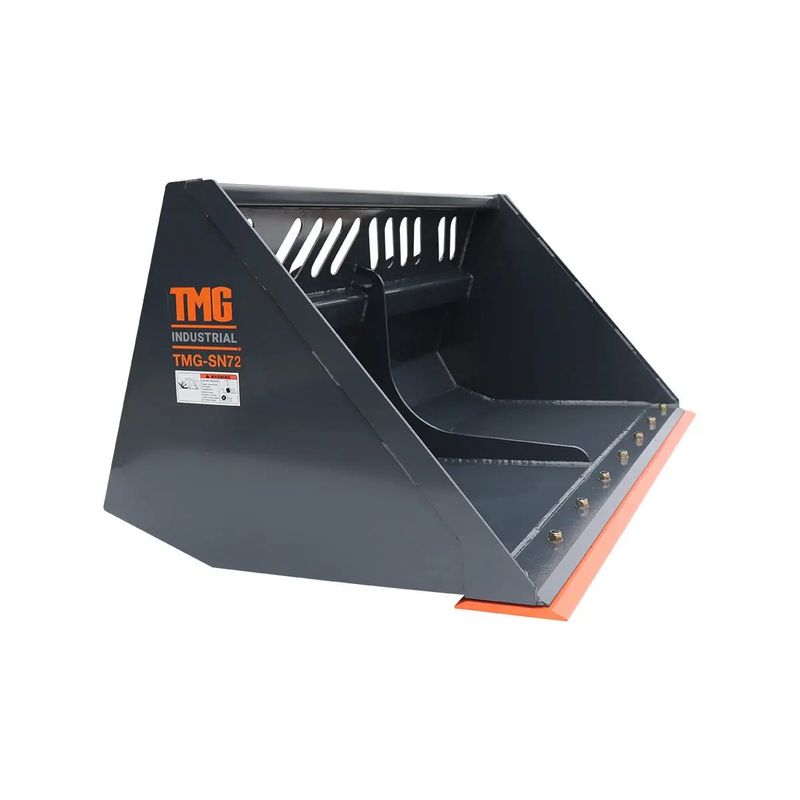
TMG Skid Steer Snow and Mulch Bucket
Talk to an Advisor →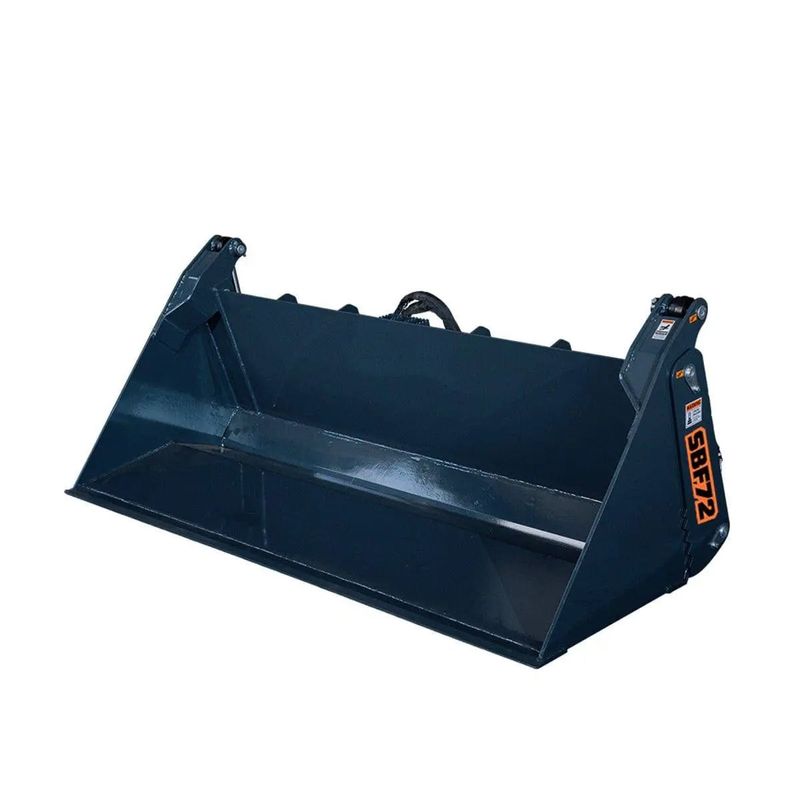
TMG Skid Steer 4-in-1 Bucket
Talk to an Advisor →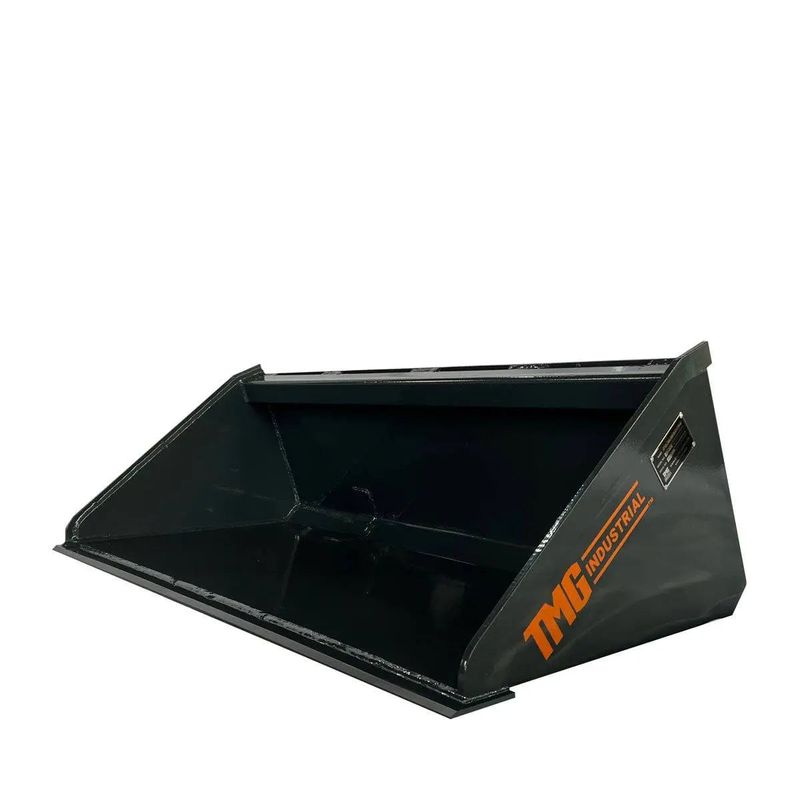
TMG Mini Skid Steer Bucket
Talk to an Advisor →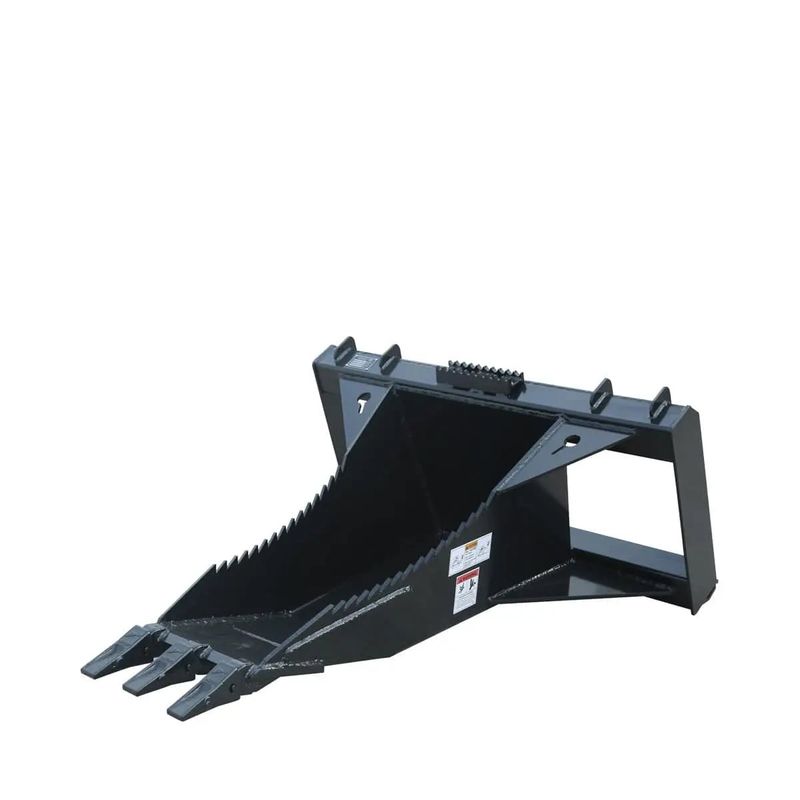
TMG Skid Steer Stump Bucket
Talk to an Advisor →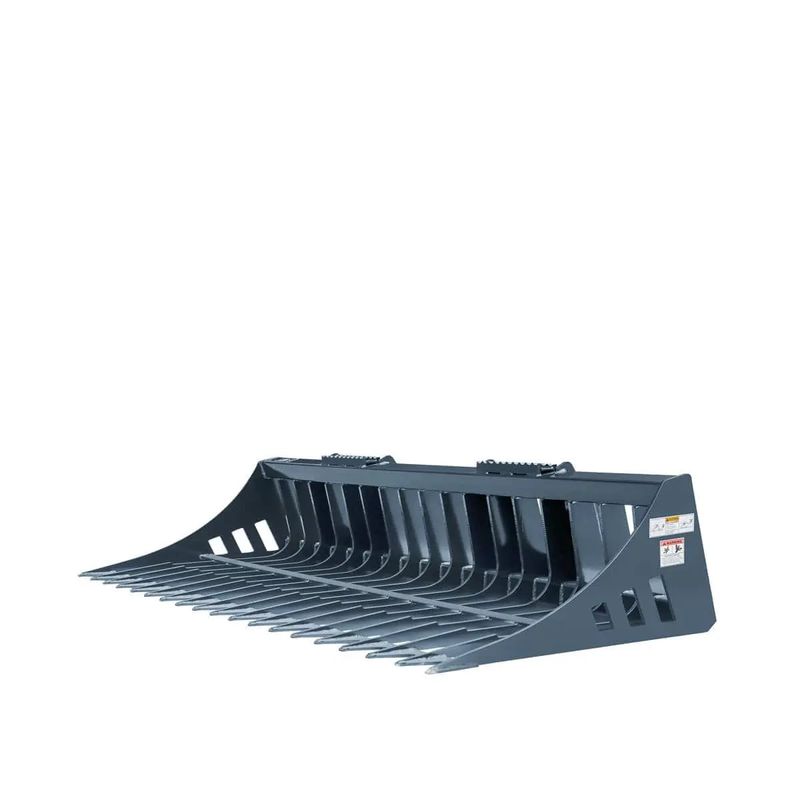
TMG Skid Steer Rock Skeleton Bucket
Talk to an Advisor →
No buckets match those filters.
Clear a filter to see the rest, or tell an advisor what machine you run and we will find the right one.
Same machine, very different tools.
Digging buckets
The everyday bucket. Teeth, a decent heel, sized so the machine can fill it and still lift it. Trenches, footings, utilities and general excavation. Available in heavy duty, severe duty and extreme service wear packages, which is a real difference and not a badge.
Ditch cleaning and grading buckets
Wide, smooth edged and no teeth, for shaping ditches and cleaning up to grade without gouging. The tilt versions angle the bucket so you can cut a slope without repositioning the machine, and the rotary tilt versions go further again.
Rock and frost buckets
Thicker steel, spade or V nose, heavier teeth. For frozen ground, shot rock and the sort of material that eats an ordinary bucket in a season. Alberta buys more of these than most places, and for good reason.
Skeleton and screening buckets
Bars instead of a floor, so the dirt falls through and you keep the rock, the roots or the concrete. Saves a screening step and saves hauling material you did not want.
Multi purpose and four in one buckets
The clamshell opens, so one tool digs, grabs, doses and backfills. Worth it when the machine is doing five things a day rather than one thing all week.
Loader buckets
General purpose, rock, rock tine, light material, roll out, spreader and high dump. Sized by yardage and by what you are moving, because a yard of gravel and a yard of woodchip are not the same load.
Snow and light material buckets
Big volume, light material. The point is moving the pile, not digging.
Specialty buckets
Trapezoid, V bottom, cribbing, tunnelling, sewer, slab, coal, feedlot, silage and waste handling. If your work is unusual, there is probably a bucket shape for it already.
Bigger is not better. Right is better.
Weight and capacity come first
A bucket that is too big does not make the machine dig faster, it makes it slower and less stable, and it wears the pins and the pump. The manufacturers publish a machine weight class or a yardage class for every bucket, and that class is the starting point, not a suggestion. The heavier the material, the smaller the bucket for the same machine.
Then the mount
If the machine runs a coupler, the bucket needs the matching lugs. Pin on, wedge, pin grabber, or a universal skid steer quick attach. We can also supply buckets with recessed lugs, which keeps the bucket tucked closer to the stick and gives back some breakout.
Then the teeth and the edges
Teeth for digging, a bolt on cutting edge for cleanup and grading, spade or twin tip teeth for rock and frost. Teeth and edges are wear parts, and choosing a system you can get replacements for locally matters more than the first price.
Reach changes the answer
The same bucket on a long stick is a different lift than it is up close. Tell your advisor how you actually use the machine, not just what it is rated at.
On sizing, straight up. Two of these lines publish full spec tables and three publish almost nothing, because they build to the machine. FMS says it best on their own pages: the bucket is lugged to fit your machine. So rather than pretending to be a parts catalogue, we ask what you run. Tell your advisor the make, model and coupler, and we come back with the sizes that suit it.
Questions we get asked
What size bucket should I put on my excavator?
Start with the machine weight class and the material. Every manufacturer rates its buckets against a machine weight range, and the heavier the material the narrower the bucket for the same machine. Gravel, clay, frost and shot rock all move that answer. Give us the make, model and what you dig, and we will give you the size range that works rather than the biggest one that bolts on.
What is the difference between a heavy duty and a severe duty bucket?
Steel thickness, wear packages and how much of the bucket is protected. Heavy duty suits general excavation in ordinary ground. Severe duty and extreme service add thicker floors, more wear strips and heavier tooth systems for rock, frost, demolition and abrasive material. Paying for severe duty in soft ground is wasted money, and running heavy duty in shot rock is a bucket you replace early.
Do you sell buckets that fit my coupler?
Yes. Tell us what coupler is on the machine, pin on, wedge, pin grabber or a universal skid steer quick attach, and we supply the bucket lugged to match. If the machine has no coupler, an advisor can talk through whether adding one pays for itself.
Do you have snow buckets?
Yes. Light material and snow buckets for wheel loaders, and a snow and mulch bucket for skid steers. They carry volume rather than digging force, which is what moving a pile actually needs.
Do you sell buckets for machines you did not supply?
Yes. Most buckets we sell go on other manufacturers machines. Our shops repair every major brand in Southern Alberta, so working out what fits your machine is routine here.
Tell us what you dig. We will size the bucket.
Send the machine, the coupler and the material, and an advisor will come back with what fits and what it is worth paying for. If you are looking at a machine as well, book a free demo and run it with the bucket you would actually use.