
Post Hole Augers in Southern Alberta
Foothills Equipment carries a hydraulic post hole auger system for skid steers, mini excavators and excavators, from TMG Industrial. We are in Calgary and Lethbridge, serving Southern Alberta, everything south of Red Deer. Fence lines, deck piles, sign bases, gates and pilings: an auger turns a day of hand digging into an hour, and it runs off the machine that is already on site.
Read the next section before you order. An auger is not one product. It is a power head, a mount and a bit, and the three are bought separately. A power head on its own cannot be put on a machine and cannot drill a hole.
One auger system from TMG Industrial, in 3 catalogue entries and four bit sizes.
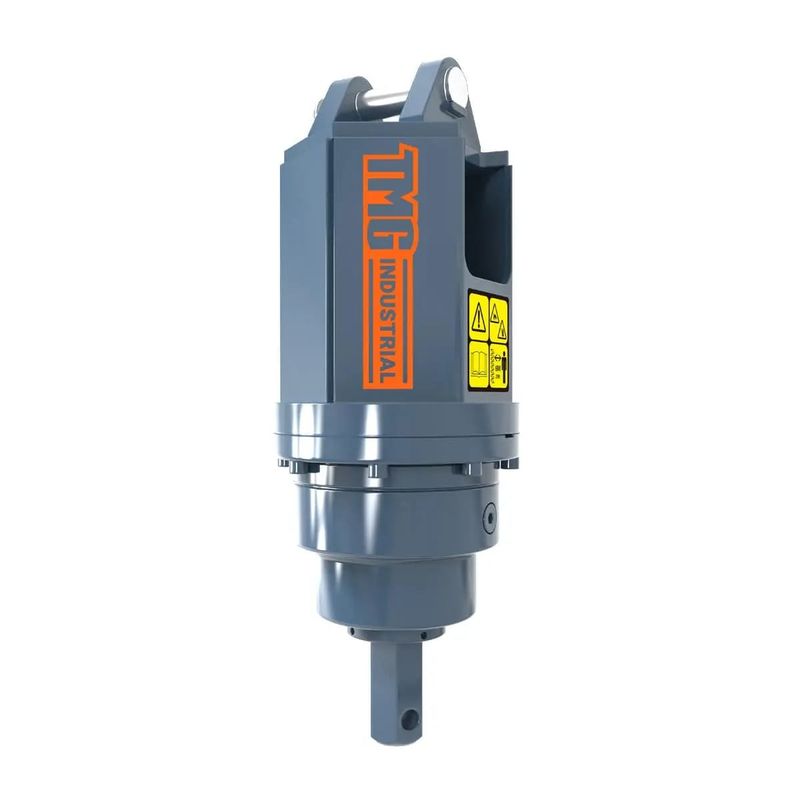
TMG Hydraulic Auger Drive Power Head
Talk to an Advisor →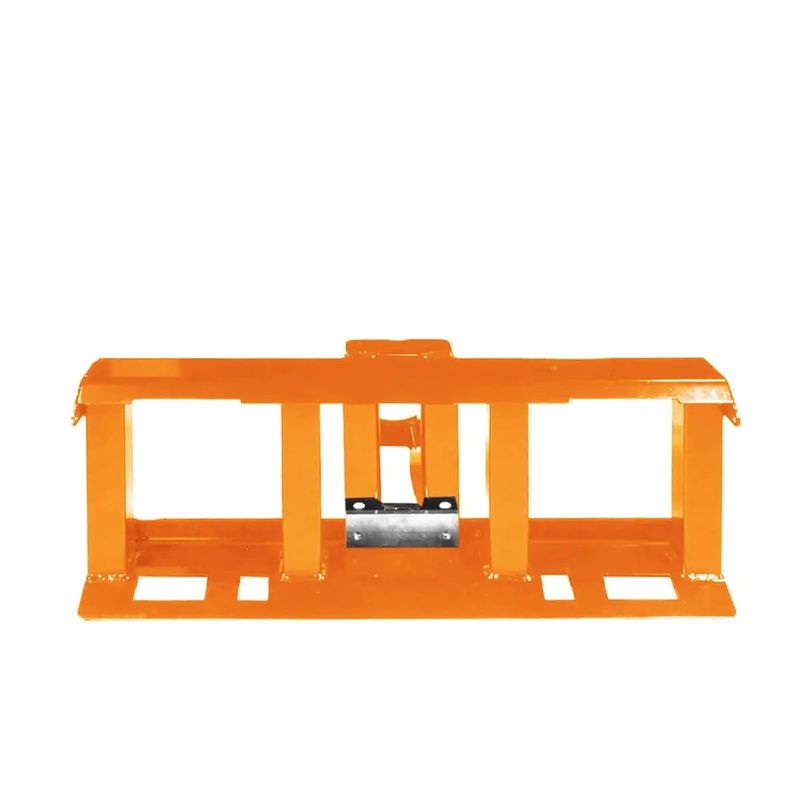
TMG Auger Drive Mounting Cradle
Talk to an Advisor →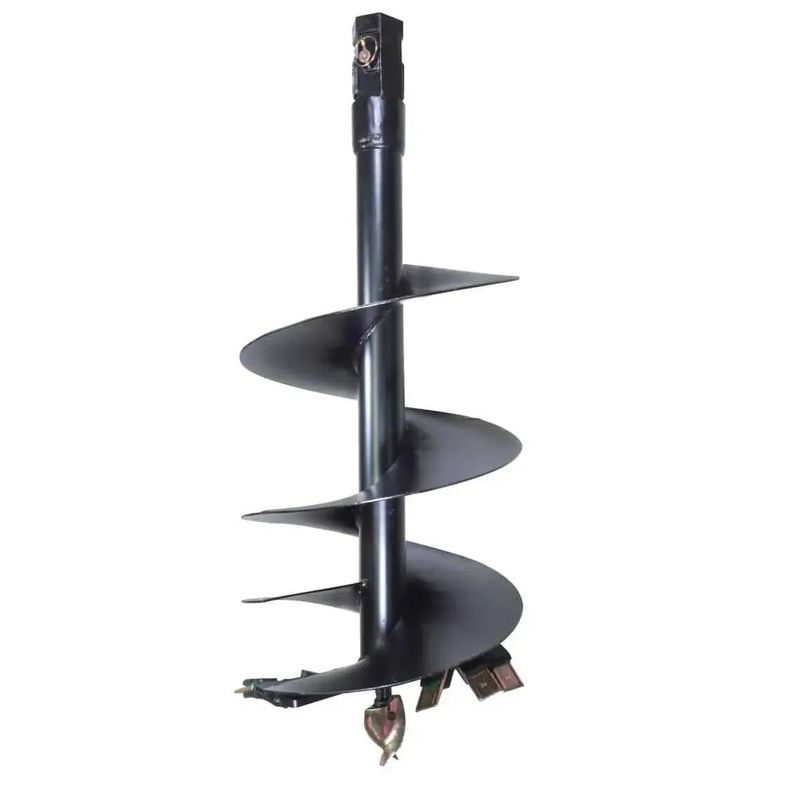
TMG Post Hole Auger Bits
Talk to an Advisor →
No augers match those filters.
Clear a filter to see the rest, or tell an advisor what machine you run and we will find the right one.
One auger, three things in the order.
The power head
The hydraulic motor and gearbox that does the turning. Ours runs on 7 to 20 GPM, makes 959 to 2877 Nm of torque and turns at 36 to 100 RPM, and it weighs 157 lb. It comes with two hydraulic hoses. It has a 2 inch hex output shaft, and that hex is what everything else hangs off.
The mount
The bracket that puts the power head on your machine, and there are two versions. The skid steer version is a cradle frame on a universal skid steer hookup, and it slides 40 inches side to side, so the operator can line the bit up on the stake without repositioning the machine. The excavator version is a double pin cradle hitch that goes on the end of the stick. Same power head, different bracket. Pick the one that matches the machine you run.
The bit
Four diameters, 9, 12, 18 and 24 inch, all 48 inches tall, all on the same 2 inch hex drive. Bits swap on the same power head, so a second size is a bit and not a second auger.
So a complete auger is power head plus mount plus bit. If any one of those is missing from the quote, nothing gets drilled. We quote all three as a matter of course, and an advisor will ask which machine and which hole size before anything is priced.
Size the bit to the post, not to the machine.
The rule of thumb on a fence or deck post is a hole wider than the post, with room around it for concrete or packed backfill. Bigger is not better: every extra inch of diameter is more ground to break, more torque to turn it and more spoil to deal with.
9 inch
Fence posts, small sign posts, tree planting, light landscape work. Four cutting teeth.
12 inch
The common one. Deck piles, gate posts, heavier fence and corner posts, small footings. Four cutting teeth.
18 inch
Deck and structural piles, larger footings, bigger sign bases. Five cutting teeth.
24 inch
Heavy piles, large footings and anything a 4x6 or bigger goes into. Eight cutting teeth, because there is that much more cutting edge in the ground.
Depth
Every bit is 48 inches tall overall, so that is the working range to plan around. If your holes have to go deeper than that, say so early, because it changes what you need.
Torque rises with flow
The power head makes 959 Nm at the bottom of its flow range and 2877 Nm at the top. A machine near the top of the 7 to 20 GPM range will turn a wide bit through hard ground far more comfortably than one near the bottom, which is the real reason to tell us the machine before picking the bit.
Frozen ground is a real job, and the bit is what pays for it.
Post work in Southern Alberta does not stop in the winter. Posts have to go below the frost line, which is the entire point of a pile, so a lot of this work happens exactly when the ground is worst. What changes in winter is the top of the hole. The frost layer is the hard part, and once you are through it the ground underneath usually drills normally.
Go slow through the frost
Let the teeth cut rather than forcing the head down. Pushing a bit through frozen ground with the machine own weight is how teeth get rounded off and how a bit gets stuck.
Teeth are a wear part
They wear faster in frost, rock and gravel than they do in clay. Ask about spares when you order rather than when a crew is standing in a field.
Hardpan, rock and cobble
Southern Alberta has plenty of all three. An auger is built to cut soil, not to break rock, and when the bit stops making progress it is usually a rock and not a horsepower problem. That is when a ripper or a breaker does the first part of the work.
Watch for the kickback
When a bit catches, the machine wants to turn instead of the bit. On a skid steer the sliding cradle helps, but the operator still has to be ready for it and the machine still has to be planted.
Flow, mount, and enough machine to hold it.
Hydraulic flow
The power head runs on 7 to 20 GPM at 80 to 240 Bar. That is a standard flow range, so most skid steers and most mini excavators can turn it without a high flow package. Tell us the machine flow rating and we will confirm it against that range before you order, not after.
Mount
Universal skid steer quick attach on the skid steer cradle, a double pin hitch on the excavator version. The cradle takes drive units up to 10 inch diameter, the installation pin is 1-1/8 inch, and the mounting spacing adjusts 1-3/4 inch. If you are on an excavator, tell us the machine size and what is on the end of the stick.
Weight and balance
The power head is 157 lb, the skid steer frame is 88 lb and the cradle is 57 lb, and the bit adds to it, over 100 lb on the 18 inch. It hangs out in front of the machine or out at the end of a stick, so the carrier has to be planted, particularly on a slope or on soft ground.
Questions we get asked
What do I need to buy to run a post hole auger?
Three things: a power head, a mount and a bit. The power head is the motor and gearbox, the mount is the bracket that puts it on your machine (a cradle frame for a skid steer, a double pin hitch for an excavator) and the bit is the actual auger, in 9, 12, 18 or 24 inch. They are sold separately and you need all three. We quote all three together, because a power head on its own cannot go on a machine.
What size auger bit do I need?
Size it to the post, with enough room around it for concrete or backfill. Nine inch suits fence and sign posts, 12 inch covers deck piles, gate posts and small footings, 18 inch handles structural piles and larger footings, and 24 inch is for heavy piles and big footings. Bits swap on the same power head, so a second size is a bit rather than a second auger.
How much hydraulic flow does an auger need?
Ours runs on 7 to 20 GPM at 80 to 240 Bar, which is a standard flow range, so most skid steers and mini excavators can turn it without a high flow package. Torque climbs with flow, from 959 Nm at the bottom of the range to 2877 Nm at the top, so a machine at the higher end turns a wide bit through hard ground more easily. Tell us the machine flow and we will confirm the fit before you order.
Can I auger in frozen ground?
Yes, and a lot of post work here happens in winter, because posts and piles have to go below the frost line anyway. Go slow through the frost layer and let the teeth cut rather than forcing the head down with the machine. Teeth wear faster in frost and gravel, so it is worth having spares on hand. If you are hitting rock rather than frost, a ripper or a breaker does that part of the work.
Can I put an auger on an excavator?
Yes. The same power head goes on an excavator using a double pin cradle hitch instead of the skid steer frame. It is a good option when the holes are spread out or on ground the machine cannot drive across, because the boom reaches the spot without moving the machine. Tell us the machine size and what is on the end of the stick.
Tell us the machine and the hole size.
Those two answers pick the whole auger, head, mount and bit. Talk to an advisor and we will quote all three together, confirm your machine flow will turn it, and tell you plainly if the ground you are working needs something else first.